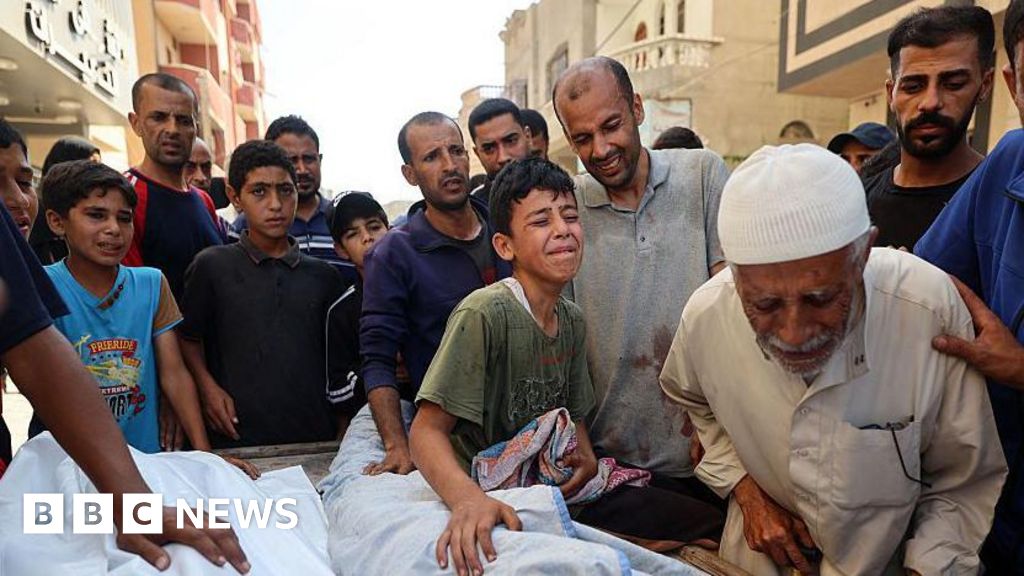
An Israeli air strike in central Gaza killed 10 people, including six children, with the IDF admitting a 'technical error,' underscoring escalating conflict and civilian casualties. This incident adds to a dire humanitarian crisis, as the ICRC reports a surge in weapon-related injuries and deaths at aid distribution sites, with the UN human rights office recording 789 aid-related killings. Gaza faces critical fuel shortages, pushing hospitals and essential services to collapse, signaling profound and worsening instability in the region.
The Israeli military's admission of a 'technical error' resulting in the death of ten civilians, including six children, marks a significant event amidst an escalation of aerial attacks across Gaza. This specific incident, coupled with broader data, points to a severe and deteriorating humanitarian situation with tangible risks. The International Committee of the Red Cross (ICRC) reports a substantial increase in mass casualty incidents at its Rafah field hospital, treating over 3,400 weapon-wounded patients since May 27, a figure that surpasses the total for the entire preceding year. Furthermore, the UN has documented 789 aid-related killings in a similar timeframe, highlighting the extreme danger surrounding humanitarian operations, despite disputes over the data's sourcing from the Gaza Humanitarian Foundation. The operational environment is collapsing, underscored by a UN warning that a critical fuel shortage is causing hospitals to 'go dark' and halting essential services. The allowance of only 75,000 litres of fuel, deemed 'far from enough,' indicates that this systemic breakdown is set to worsen, amplifying regional instability and compounding the conflict's human cost.
AI-powered research, real-time alerts, and portfolio analytics for institutional investors.
Overall Sentiment
extremely negative
Sentiment Score
-0.90
