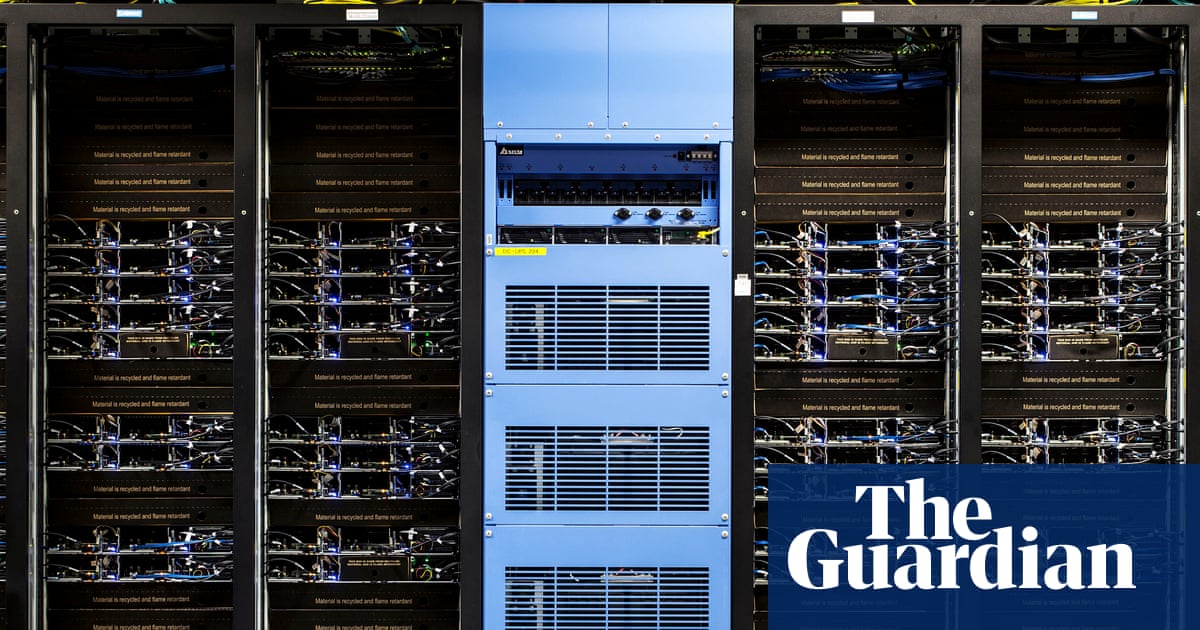
Australia's real GDP expanded 2.1% year‑on‑year to September but only 0.4% quarter‑on‑quarter—below the 0.7% consensus—leaving real GDP per capita flat for the quarter and up just 0.4% annually. A major driver was a 2.9% quarterly jump in private business investment, led by large data‑centre projects in NSW and Victoria that the ABS links to the AI tech boom, while households lifted spending on essentials even as discretionary spending fell and the savings ratio rose to 6.4%. Inflation remains elevated at 3.8% y/y in October, prompting RBA caution and shifting market expectations away from further rate cuts toward the possibility of hikes, a key risk for rates‑sensitive assets.
Market structure: The surprise is a capex-led growth stitch — ABS attributes a 2.9% quarterly jump in private investment to major data‑centre builds that contributed ~0.5ppt to GDP. Direct winners: data‑centre operators and integrators (ASX: NXT, MP1), industrial/logistics landlords (ASX: GMG) and grid/renewables owners that supply incremental power; losers: discretionary retail and office REITs (DXS, GPT) where spending and occupancy are softer and real GDP per capita is flat.
Risks & dynamics: The key fragility is power and permitting: data centres are power‑intensive so local grid constraints, capex overruns or stricter environmental/land‑use rules are 10-25% tail downside risks to project IRRs. Monetary policy is the transmission channel — 3.8% CPI and RBA ambiguity raise >50% odds of rates staying higher/tilting up next 3 months, pressuring duration‑sensitive assets and raising funding costs for leveraged developers.
Cross-asset & timing implications: Expect Australian gov’t bond yields to reprice higher (2–3y most sensitive), a stronger AUD on rate convergence, and higher spot/forward electricity / gas prices as demand from datacentres lifts baseload; equity winners should show occupancy/pre‑commitment beats over next 6–18 months. Monitor RBA decision next Monday, major project FID announcements and NXT/MP1 leasing metrics as 1–3 month catalysts.
Contrarian view: Consensus is bullish on headline capex but underestimates localized congestion and incremental O&M energy costs that compress long‑run margins; data‑centre equity multiples may already embed 12–24 month growth — prefer tradeable exposure to owners/operators with contracted cashflows and local generation links rather than pure growth stories.
AI-powered research, real-time alerts, and portfolio analytics for institutional investors.
Request DemoOverall Sentiment
mixed
Sentiment Score
-0.05
