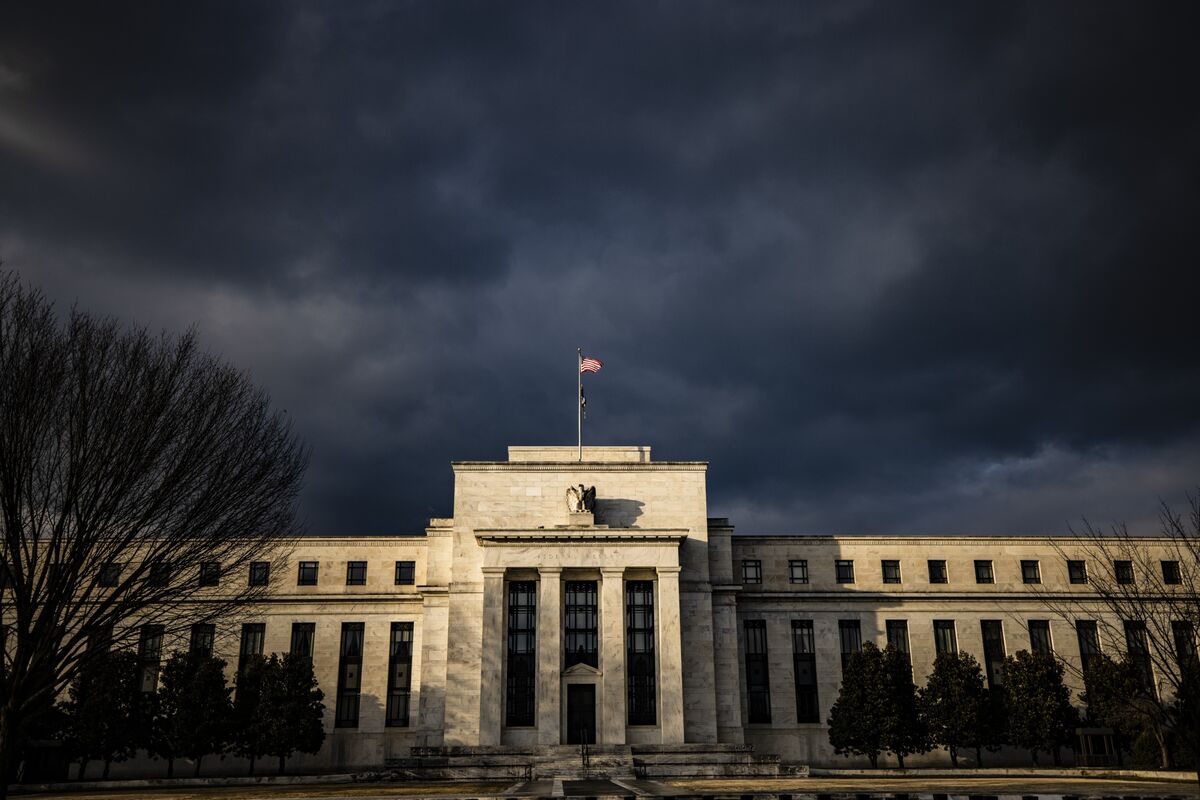
The Federal Reserve proposed allowing intermediaries to route transfers through the FedNow real-time payments system, expanding the number of private-sector firms that can use the platform; currently a FedNow transfer can include only two U.S. banks. The change would broaden access for fintechs and third-party intermediaries, increase competition on payment rails, and could reallocate transaction and settlement flows between banks, credit unions and non-bank providers.
A regulatory window that broadens which private firms can sit on the instant-pay rail creates a two-track market: a technology/operations winners list (platforms that can ingest, settle and guarantee liquidity fast) and a fee-franchise losers list (institutions that monetize legacy settlement latency). Expect early revenue capture to be concentrated: 5–10 firms that already run clearing/merchant acquiring stacks will grab 60–70% of onboarding work in the first 12–18 months, creating a London Stock Exchange–style consolidation opportunity rather than a diffuse, competitive ecosystem.
Second-order margin effects will show up in three places: interchange and correspondent income at regional banks compress by ~100–300bps as settlement becomes commoditized; merchant acquirers lower float-based economics and push higher fixed per-transaction fees; and cloud/latency vendors (low-latency matching engines, HSMs, observability stacks) see a step-up in contract size and SLAs. These shifts will reweight EBITDA multiples — high-capex clearing/infra providers should rerate higher while legacy fee-reliant banks deserve multiple compression over 12–24 months.
Execution and regulatory risk are front-loaded. Expect a 60–120 day comment window followed by 6–24 months of implementation drag, operational pilots, and potential litigation from incumbents defending rent pools. A major outage or privacy incident during pilots could pause adoption and reset timelines by 6–12 months, so position sizing should reflect binary operational event risk even as the long-term structural change remains intact.
AI-powered research, real-time alerts, and portfolio analytics for institutional investors.
Overall Sentiment
neutral
Sentiment Score
0.00
