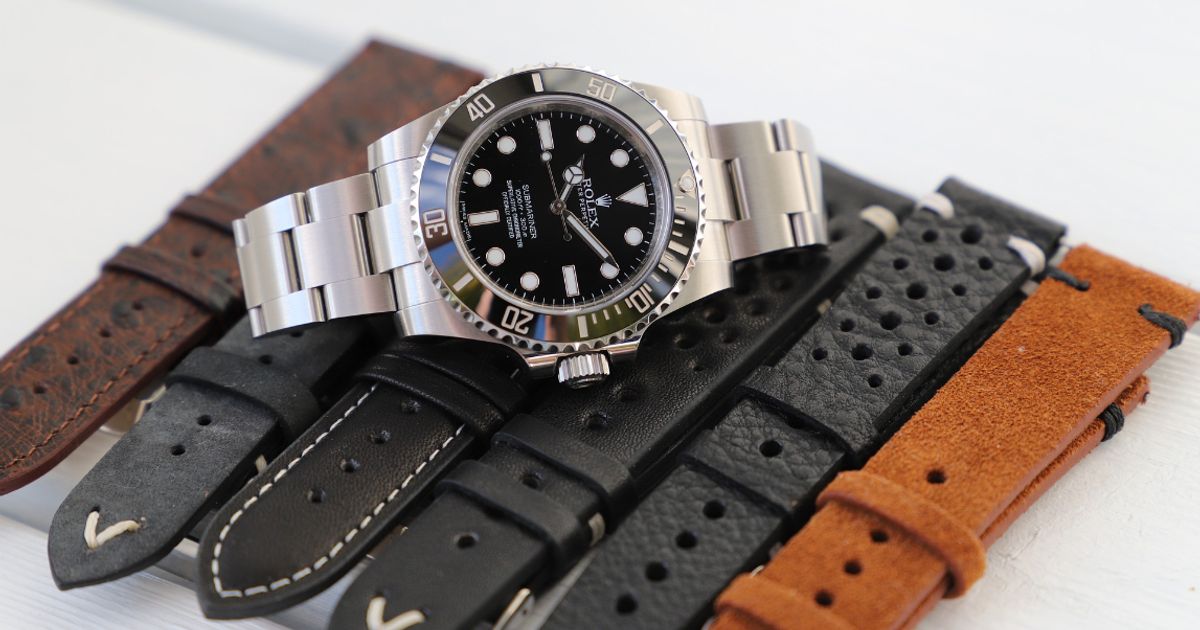
Watches of Switzerland raised its FY2026 sales guidance to a 9–11% constant-currency increase (from 6–10%) after holiday-quarter trading that outperformed internal expectations, driven primarily by strong US demand across brands and price points. The group slightly trimmed expected profit margins citing brand margin shifts, product mix and one-off costs related to ecommerce, debtor provisions and the acquisition of four Texas showrooms; sales in the 13 weeks to 25 Jan grew ahead of expectations with continued strength in Rolex and certified pre-owned. Management highlighted US-led broad-based growth and investments in store experience and marketing as key drivers while noting macro uncertainty and tariffs as headwinds.
Market structure: Winners are high-end retailers (Watches of Switzerland - WOS.L), luxury brands (e.g., Rolex, LVMH MC.PA) and certified pre‑owned channels which gain inventory turnover and margin resilience; losers are mid‑market jewelers and discount channels where pricing power is weaker. The competitive dynamic favors retailers with exclusive brand partnerships and US footprint — they can convert supply scarcity into higher sell‑through and captive pre‑owned flows, limiting price competition but compressing brand margins if product mix shifts. Supply/demand: continued reports that demand outstrips supply (notably Rolex) point to constrained incremental unit sales; growth will therefore be more driven by higher ASPs, services and pre‑owned turnover than volume expansion. Cross‑asset: a durable luxury cycle reduces safe‑haven bid (modest upward pressure on yields), marginally lifts gold/jewellery commodities demand, and supports GBP/stronger USD‑luxury consumption dynamics in the medium term.
Risk assessment: Tail risks include an abrupt normalization of Rolex allocations, escalation of US tariffs on luxury imports, or a consumer credit shock that knocks discretionary spending — any could erase upside in 1–3 months. Time horizons: expect immediate (days) positive price reaction to raised guidance, short‑term (weeks–months) margin volatility from one‑offs and mix, and long‑term (quarters–years) structural upside if US store roll‑out and pre‑owned scale continue. Hidden dependencies: heavy reliance on a few brands (Rolex) and Texas showroom acquisitions; inventory financing and debtor provisions could reprice earnings if cost of capital rises. Catalysts to watch: next quarterly trading update (within 6–12 weeks), Rolex allocation signals, US tariff headlines, and FY26 margin revisions (±150bp material).
Trade implications: Direct: establish a 2–3% long position in WOS.L sized to portfolio risk with a 6–9 month horizon, target 12–18% upside, stop‑loss 8% below entry; complement with a 1% notional 6‑month call spread (15–25% OTM) to lever upside while capping downside. Pair: enter dollar‑neutral pair long WOS.L / short Signet Jewelers (SIG) sized 1:1 to exploit luxury versus mass‑market divergence over 3–9 months. Sector rotation: overweight luxury discretionary (LVMH MC.PA, WOS.L) by +1–2% and trim mid‑market UK retail (NXT.L, MKS.L) accordingly. Exit/adjust triggers: widen of margin guidance cut >150bp or a material pullback in Rolex supply allocations.
Contrarian angles: The market may underweight margin risk — revenue beats could still deliver muted EPS if brand margin mix and ecommerce one‑offs persist, creating a 3–6 month mean‑reversion downside opportunity for momentum longs. Conversely, pre‑owned operations are underappreciated: if pre‑owned gross margins stay >20% and scale doubles in 12 months, WOS.L could re‑rate higher than current guidance implies. Historical parallels: similar to prior luxury cycles where supply constraints inflated waiting lists and sustained pricing (2010–15), but eventual normalization capped multiples; watch for the inflection when brand allocations loosen. Unintended consequences include inventory financing stress from rapid US showroom expansion if rates rise >200bp year‑over‑year.
AI-powered research, real-time alerts, and portfolio analytics for institutional investors.
Request DemoOverall Sentiment
moderately positive
Sentiment Score
0.45
