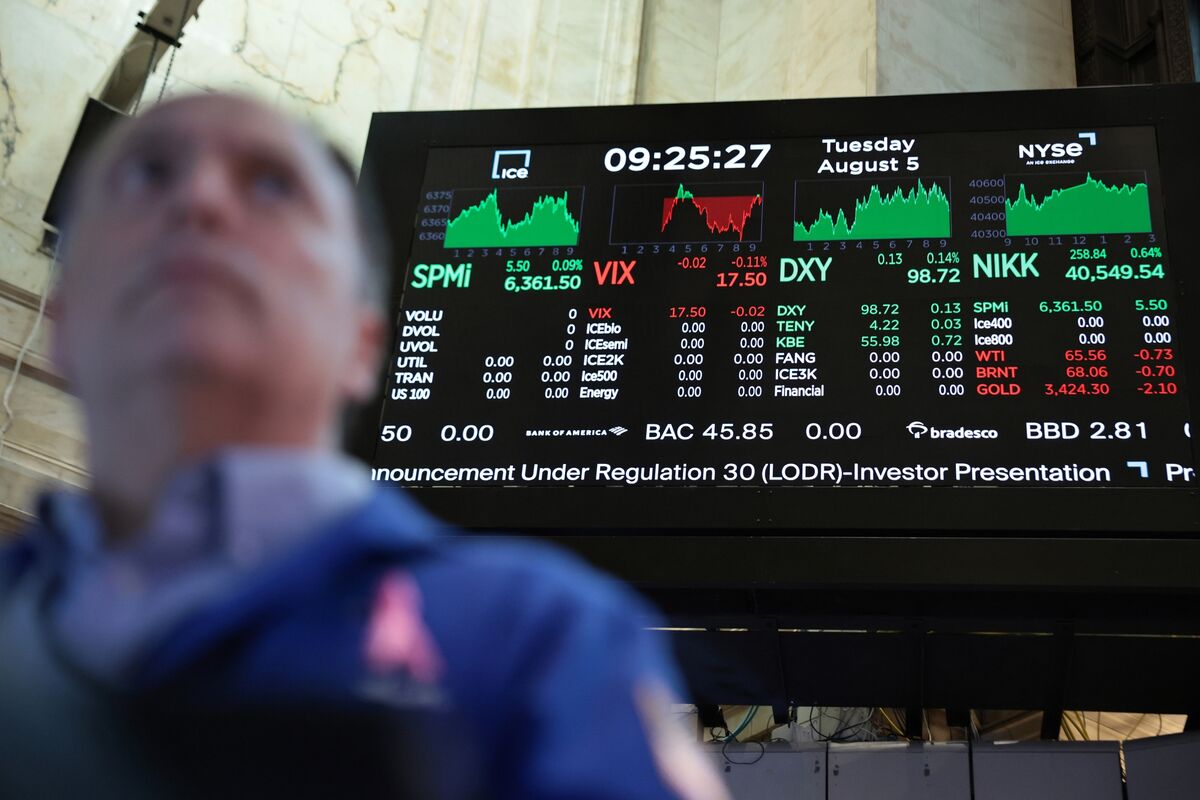
Goldman Sachs macro trader Paolo Schiavone observes that global equities are exhibiting buoyancy, largely disregarding a 30% probability of a U.S. recession. He posits this disconnect stems from the market's short-term focus, which leads it to ignore future recession risks, noting that betting against current momentum feels "almost irrational."
A Goldman Sachs macro trader, Paolo Schiavone, highlights a significant disconnect between buoyant global equity markets and a stated 30% probability of a U.S. recession. The analysis suggests that the market's current strength is primarily driven by short-term momentum, which traders find "almost irrational" to bet against. This dynamic indicates a structural short-sightedness within the market, where imminent price action is prioritized over factoring in medium-term macroeconomic risks. The prevailing sentiment, therefore, appears to be one of tactical positioning rather than a fundamental reassessment of the economic outlook, creating a potentially fragile environment where positive momentum masks underlying systemic risks.
AI-powered research, real-time alerts, and portfolio analytics for institutional investors.
Request DemoOverall Sentiment
mildly negative
Sentiment Score
-0.15
Ticker Sentiment
