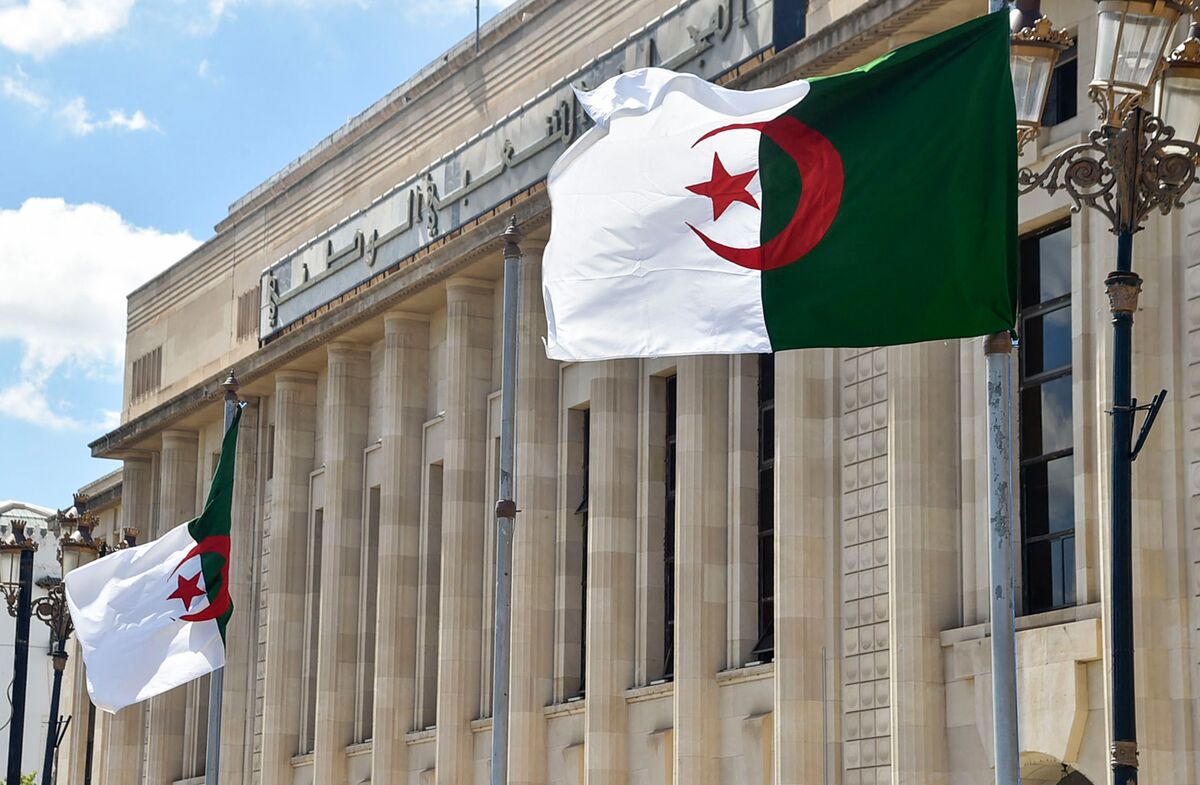
Algeria plans a rare sovereign sukuk sale at the start of 2026, according to a document reviewed by Bloomberg. The planned Islamic bond issuance would represent a return to sukuk funding for the government and could diversify its borrowing sources and influence demand and liquidity in Algeria’s sovereign debt market, particularly among regional and Sharia-compliant investors.
Market structure: Algeria’s move to issue a sukuk at the start of 2026 signals sovereign diversification into Islamic capital markets and likely draws demand from Gulf banks, Islamic asset managers and Shariah funds; immediate winners are sukuk underwriters and regional liquidity pools, losers are marginal—conventional Eurobond buyers may face slightly higher new-issue competition. Supply/demand: a one-off sukuk (likely USD or EUR-linked) increases EM hard-currency supply by a modest amount (estimate: $500m–$2bn range), pressuring spreads in the near term if demand is concentrated domestically rather than from broad international investors.
Risk assessment: tail risks include poor subscription triggering much wider Algeria 5y CDS (+100–300bp) and a forced domestic fiscal retrenchment if proceeds are used for budget gaps; a successful placement could instead compress regional sukuk spreads by 25–75bp over 6–12 months. Hidden dependencies: impact hinges on use of proceeds (capex vs budget plug) and whether GCC banks participate as strategic anchors; a fall in gas revenues or a 15–20% decline in oil/gas prices is a catalyst that could reverse any positive sentiment.
Trade implications: tactical relative-value trade is to underweight broad USD EM sovereign exposure (iShares J.P. Morgan USD EM Bond ETF - EMB) by 1–2% ahead of issuance and use Algeria-specific credit hedges (buy 5y Algeria CDS if spreads widen >40bp). Conversely, establish a 1–3% allocation to specialist sukuk strategies (global sukuk mutual funds run by Franklin Templeton/Amundi/HSBC Islamic desks) to capture potential secondary-market spread tightening over 12–24 months.
Contrarian angles: consensus may underappreciate that repeat sukuk issuance would deepen Algeria’s investor base and lower future borrowing costs—if the first deal clears with GCC anchor orders, Algerian spreads could compress 50–150bp over 12–18 months, benefiting regional bank balance sheets. Conversely, if documentation highlights fetters on asset use or conversion risk, issuance could be a negative signal—watch 5y CDS moves, anchor allocations and explicit use-of-proceeds language in prospectus within 30–90 days of announcement.
AI-powered research, real-time alerts, and portfolio analytics for institutional investors.
Request DemoOverall Sentiment
neutral
Sentiment Score
0.00
