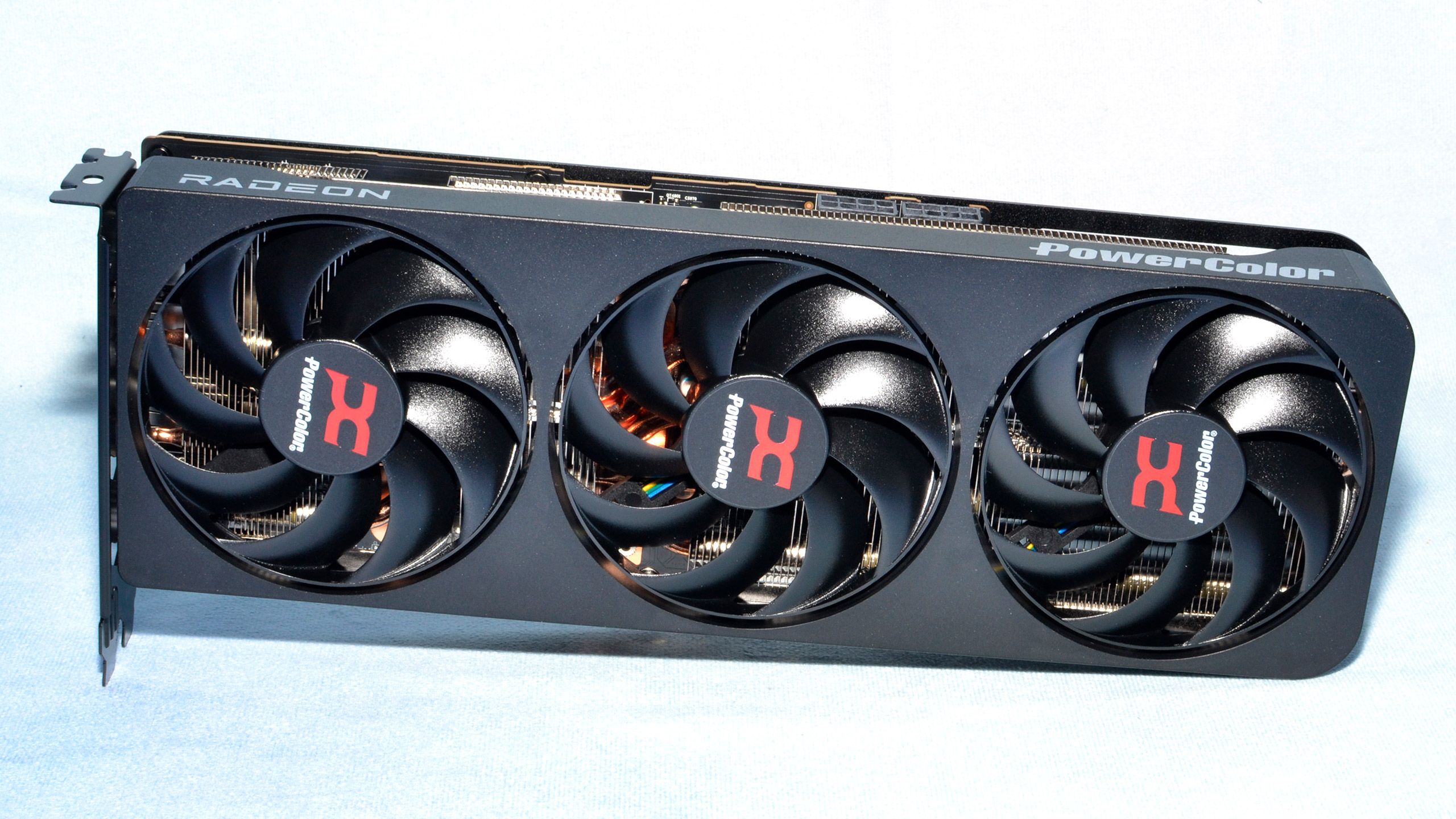
AMD has told supply partners it will raise graphics‑card prices by at least 10% in early 2026, citing a sharp rise in memory (DRAM) prices—reported as nearly +200% per stick driven by AI/data‑center demand. This is reportedly the second price increase this year and will be passed through to channel partners and consumers, potentially denting gaming GPU volumes while supporting vendor margins; Nvidia is also said to face memory‑related delays for next‑gen cards. The development underscores ongoing semiconductor supply‑chain stress and suggests upside for memory suppliers but downside risk to consumer demand and hardware unit growth.
Market structure: Rising DRAM spot prices (article cites ~+~200% on some sticks) make memory suppliers (Micron MU, SK Hynix 000660.KS, Samsung) clear beneficiaries as ASPs accrete to their P&L; GPU OEMs and gaming-channel retailers (and AMD’s consumer SKU unit volumes) are the primary losers as AMD signals a >=10% price pass-through in 2026. Data‑center GPU demand cushions NVDA but consumer elasticities matter: a ~10% GPU ASP rise can cut consumer unit demand by a mid‑single-digit percent in 12 months if income elasticity holds.
Risk assessment: Tail risks include export controls or fabs outages that further spike memory/compute prices, or a demand shock (AI funding pullback) that collapses spot DRAM and GPU ASPs; both would flip winners/losers. Immediate (days) catalyst — year‑end retail buying and Black Friday liquidity; short term (weeks–months) — channel inventory repricing and 4Q guidance updates; long term (quarters) — memory capex response and wafer fab lead times (6–18 months) that will normalize margins.
Trade implications: Favor long memory exposure and NVDA’s data‑center leverage while underweight consumer GPU exposure (AMD). Use relative-value trades (long MU or 000660.KS vs short AMD) and convex option structures to express memory continuation or a downside shock. Rebalance when DRAM spot index moves ±30% or when AMD/NVDA guidance shows >100bp gross‑margin divergence.
Contrarian view: Consensus that memory remains structurally tight may be overstated — aggressive capex could flip prices within 9–18 months, making long-memory stocks crowded and vulnerable to a 20–40% pullback. Conversely, if AMD successfully passes costs and preserves margins, the market sell signal could be overdone; monitor channel sell‑through and AMD gross‑margin guidance for early reversal signals.
AI-powered research, real-time alerts, and portfolio analytics for institutional investors.
Request DemoOverall Sentiment
moderately negative
Sentiment Score
-0.35
Ticker Sentiment
