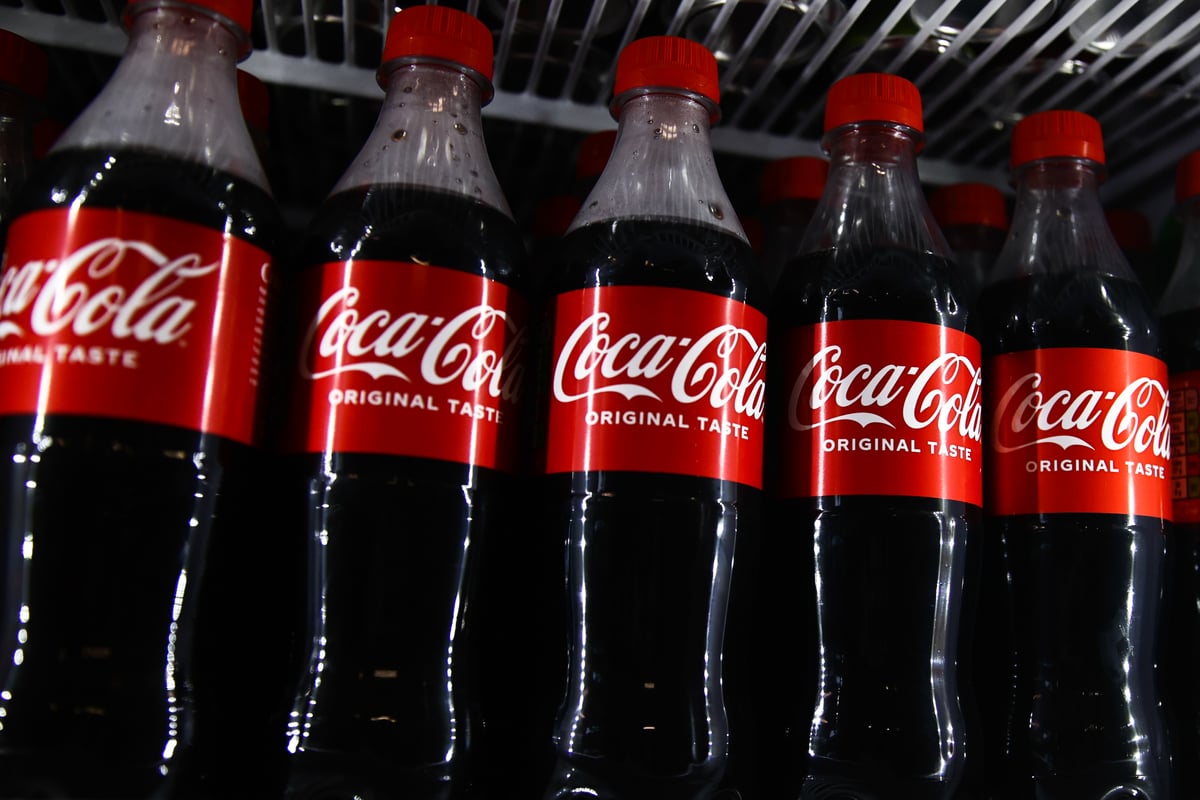
Coca-Cola, a 63-year dividend grower with an A+/A1 rating, is positioned to continue raising payouts supported by durable global demand, a diversified 200-brand portfolio (30 brands >$1bn sales), and strong cash flow. The company reports a five-year average organic revenue growth of 9%, targets 4–6% organic revenue growth and 7–9% EPS growth annually, spends >$2bn in capex yearly, and has reduced leverage toward a 2.0–2.5x target with capacity for $12.6bn more debt. Strategic actions—refranchising, acquisitions (e.g., Topo-Chico, BodyArmor) that contributed ~25% of EPS growth since 2016, a $2.4bn cash inflow from Coca‑Cola Consolidated, and a partial sale of its Coca‑Cola Beverage Africa stake valued at $3.4bn—enhance financial flexibility to sustain dividends and pursue further M&A.
Market structure: Coca‑Cola (KO) is a clear winner — strong global brands, refranchising proceeds ($2.4bn + Africa stake sale) and A+/A1 credit create optionality for M&A, buybacks and dividend growth; independent/weak bottlers, smaller beverage challengers and commodity-exposed private labels are net losers. Pricing power should remain intact allowing 4–6% organic revenue growth guidance to be achieved, supporting 7–9% EPS CAGR; expect muted margin volatility but concentrated commodity (sugar, PET, aluminum) moves can transmit to COGS quickly. Cross‑asset: KO credit spreads should compress modestly (positive for KO corporate bonds), equity implied vol low — favorable for covered-call income strategies; FX volatility in EMs is a key earnings swing factor.\n\nRisk assessment: Tail risks include aggressive sugar/health regulation or large EM currency devaluations that could cut FCF >20% in a severe shock, and failed BodyArmor integration or anti‑trust hurdles on future deals. Near term (days–months): earnings beats/misses, bottler deal closings and commodity spikes will move headlines; medium/long term (quarters–years): leverage drifting >2.5x or repeat refranchising disputes would impair dividend optionality. Hidden dependencies: concentrate pricing, franchise fee cadence and bottler capex cycles are under‑appreciated drivers of near‑term cash flow. Key catalysts: quarterly organic growth prints, completed asset sales, and any announced bolt‑on M&A (> $1bn).\n\nTrade implications: Core tactical: establish a conservative 1.5–3% long KO equity sleeve across 2–4 weeks to average risk; supplement with 5y KO IG bonds if spreads widen >25bp to lock yield. Pair trade: long KO (2%) / short MNST (1%) to capture defensive rotation vs high‑growth beverage premium if macro cools; unwind if KO underperforms by >7% absolute in 30 days. Options: sell 6–12 month covered calls at ~5–8% OTM to harvest yield; consider 12–18 month bull‑call spreads (debit) if expecting re‑rating after an accretive acquisition. Rotate 2–4% from cyclicals into staples (KO, PEP) on any market risk‑off.\n\nContrarian angles: Consensus underestimates integration risk and EM FX exposure — meeting guidance requires no major EM currency shock and steady BodyArmor trajectory; if either fails, downside to EPS could be 10–15% versus consensus. The market may be underpricing structural risks in bottler relationships: refranchising reduces operating control and could cap upside to gross margins over time. Historical parallel: refranchising echoes beverage companies that de‑verticalized and later paid to regain distribution control — a potential long‑term governance/expense headwind not yet priced. Unintended consequence: aggressive buybacks funded by asset sales can elevate leverage quickly; set a hard stop to reduce equity if leverage >2.5x or FCF falls >15% y/y for two consecutive quarters.
AI-powered research, real-time alerts, and portfolio analytics for institutional investors.
Request DemoOverall Sentiment
moderately positive
Sentiment Score
0.60
Ticker Sentiment
