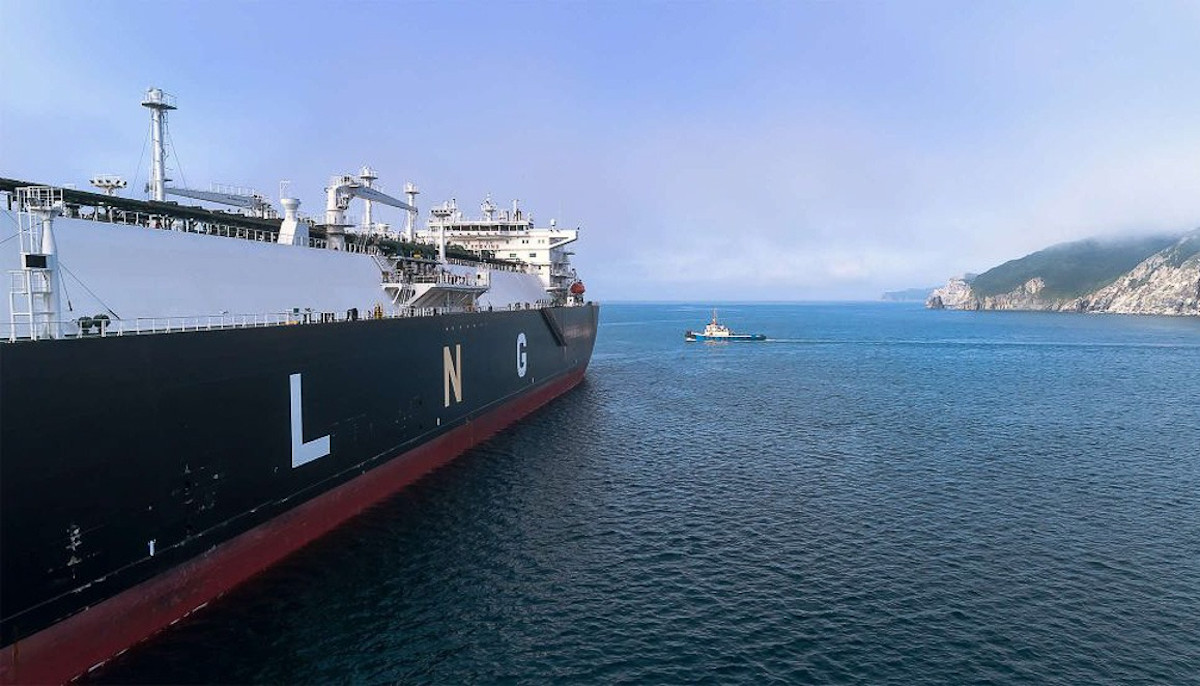
The US and EU have tightened sanctions on Russian oil, targeting Rosneft and Lukoil, while China's PipeChina-operated Beihai LNG Terminal exclusively receives sanctioned Arctic LNG 2 cargoes. Despite UK sanctions on Beihai, their impact is limited by the absence of similar US/EU measures, allowing China to strategically utilize the terminal due to its low regional demand and the difficulty of tracing downstream transactions, mitigating broader market disruption. While current Arctic LNG 2 volumes are minor for China, the sustainability of these flows as winter approaches and the Northern Sea Route closes poses a key logistical uncertainty, contributing to broader market dynamics where regulatory disruptions support crude freight and jet/kero demand.
The US and EU have intensified sanctions on Russian oil, specifically targeting Rosneft and Lukoil, aiming to tighten compliance. Concurrently, China's PipeChina-operated Beihai LNG Terminal has become the exclusive recipient of sanctioned Arctic LNG 2 cargoes, having ceased Australian LNG imports since July. The UK's targeted sanctions on Beihai are expected to have minimal impact, as neither the US nor the EU have followed suit, effectively limiting broader enforcement on Arctic LNG 2.
China strategically selected Beihai due to its manageable risk profile; located in Guangxi, the smallest gas consumer among China's LNG-importing regions (4.5 bcm demand vs. 400 bcm national). This minimizes the wider market implications of potential supply disruptions from sanctioned cargoes. Furthermore, the opaqueness of downstream transactions for regasified or trucked LNG from Beihai will significantly constrain any attempts at sanctions enforcement.
Guangxi's robust gas supply mix, including links to major pipelines and high renewables penetration, enhances its resilience despite modest demand. While Arctic LNG 2 deliveries (0.6 mt to date) are currently a small fraction of China's total LNG imports, the key uncertainty lies in the sustainability of these flows as winter approaches and the Northern Sea Route closes. This geopolitical maneuvering contributes to broader market dynamics, where regulatory disruptions continue to support crude freight markets.
AI-powered research, real-time alerts, and portfolio analytics for institutional investors.
Request DemoOverall Sentiment
mixed
Sentiment Score
0.10
