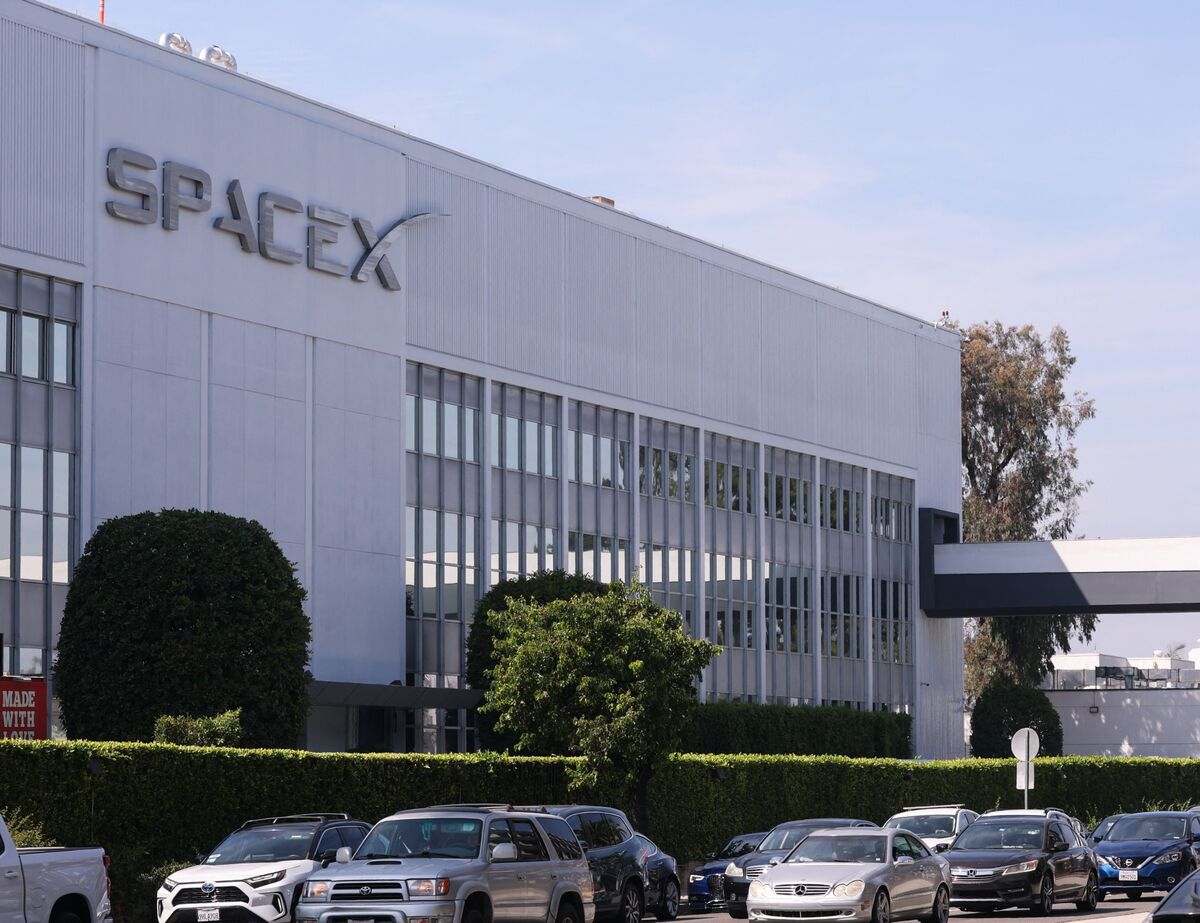
SpaceX may file for a historic IPO as soon as this week seeking $75 billion of new funding that would value the company at about $1.75 trillion. The deal reportedly would include a sizable allocation for everyday/retail investors, with material implications for the commercial space economy and a major boost to Elon Musk's net worth. If completed at that scale, the IPO would be a market-moving event for the aerospace/tech sector and broader equity benchmarks.
A blockbuster public listing for a dominant launch+satcom platform is not just a liquidity event — it resets comps, multiples, and capital flows across an entire ecosystem. Expect near-term rerating of public space-adjacent equities (launch suppliers, satellite manufacturers, LEO service providers) as investors apply a higher TAM and roll-forward revenue expectations; this can lift small-cap names 30-100% even if fundamentals lag, driven by multiple expansion more than immediate cashflow change.
Second-order winners include suppliers with long-term, high-margin supply contracts that competitors cannot easily replicate (advanced engines, avionics, carbon composites) and re/insurers who will see premium repricing if launch cadence and mix change; losers are incumbents whose defense/government revenue overlaps with the new entrant and whose fixed-cost fleets make them slow to cut prices. The IPO also tightens late-stage private capital: a large public cheque incentivizes VCs to hold fewer secondary stakes and will reduce exit-driven M&A for smaller startups, compressing deal activity and valuations over the next 12–24 months.
Key catalysts and tail risks cluster around regulatory and operational milestones rather than market sentiment alone. Short-term volatility will spike on filing/roadshow and lockup expiries (0–9 months), while the longer valuation case rests on sustained unit economics for consumer/enterprise broadband and government contract awards (12–36 months). Regulatory/CFIUS scrutiny, a major launch failure, or a price war in LEO broadband are the primary reversal mechanisms that could quickly shave multiples and force restructuring of supplier orderbooks.
AI-powered research, real-time alerts, and portfolio analytics for institutional investors.
Overall Sentiment
strongly positive
Sentiment Score
0.70
