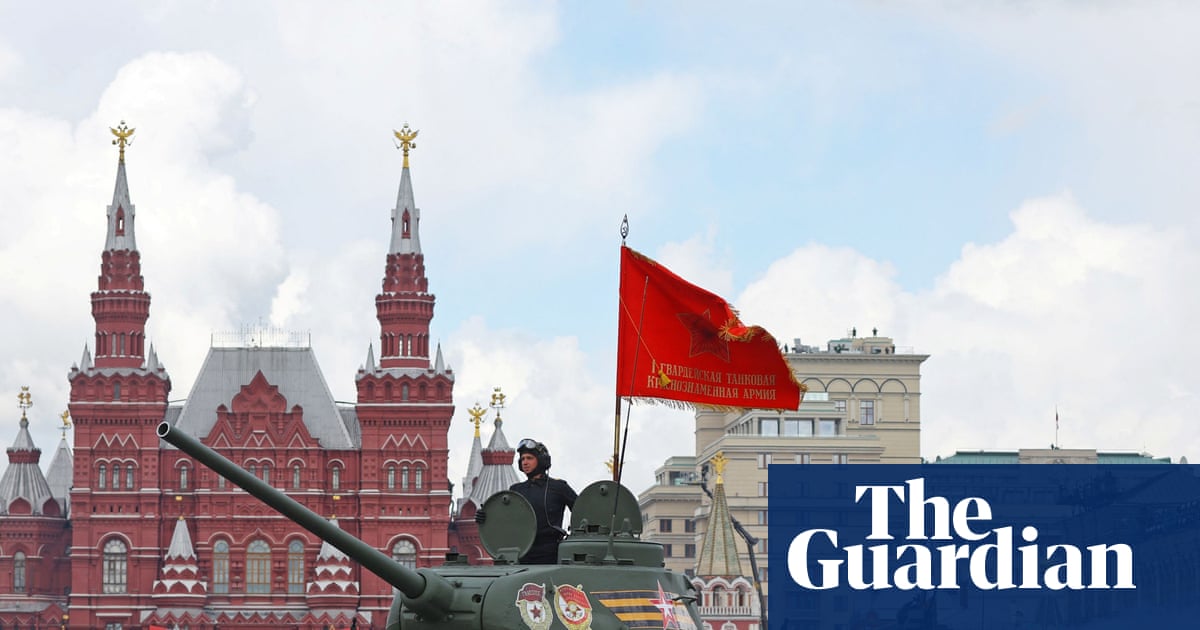
Russia and Ukraine are trading ceasefire offers ahead of Victory Day, while Moscow has threatened a "massive missile strike on the centre of Kyiv" if its unilateral truce is not observed. The war is also weighing on Russia's economy, with TsMAKP cutting 2025 GDP growth to 0.5%-0.7% from 0.9%-1.3% and citing reduced hydrocarbon exports from drone attacks and sanctions. Separately, Kyiv reported a Russian missile strike killed seven in Merefa, and the IAEA said weather monitoring equipment at Zaporizhzhia was damaged in a drone strike.
The market read-through is not about a ceasefire headline; it is about the credibility premium on Russian logistics and fiscal resilience. A short truce window would not change the structural attrition on refining, export terminals, and air-defense inventory, so energy and defense-linked assets should react more to the persistence of “kinetic sanctions” than to any one negotiated pause. The most important second-order effect is that repeated drone pressure increases the probability Russia has to reroute crude through higher-cost, lower-throughput channels, which is a margin squeeze even before volumes fall materially. The bigger macro signal is that Russia’s growth impulse is weakening while inflationary pressure remains sticky, a toxic mix for domestic demand and for any assets exposed to Russian consumption or local credit. That creates asymmetric downside in Russian quasi-sovereign risk and in neighboring EM assets with energy-import sensitivity if the conflict escalates around symbolic dates. The UK/EU funding angle matters because it increases the odds of continued Western financing and industrial support for Ukraine, which extends the runway for sanctions enforcement and munitions demand rather than easing it. Near term, the most important catalyst is whether the symbolic truce collapses into a high-visibility strike event around the parade window; that would likely lift short-dated energy and defense vol, while keeping European gas and power risk premia supported. The contrarian point is that a temporary lull could trigger profit-taking in defense names, but that would likely be a trading error: the industrial base stress and replenishment cycle are multi-quarter, not event-driven. The better fade is any knee-jerk dip in Europe defense stocks on ceasefire language, because the underlying order book and stockpile replacement thesis is unchanged.
AI-powered research, real-time alerts, and portfolio analytics for institutional investors.
Request DemoOverall Sentiment
strongly negative
Sentiment Score
-0.55
