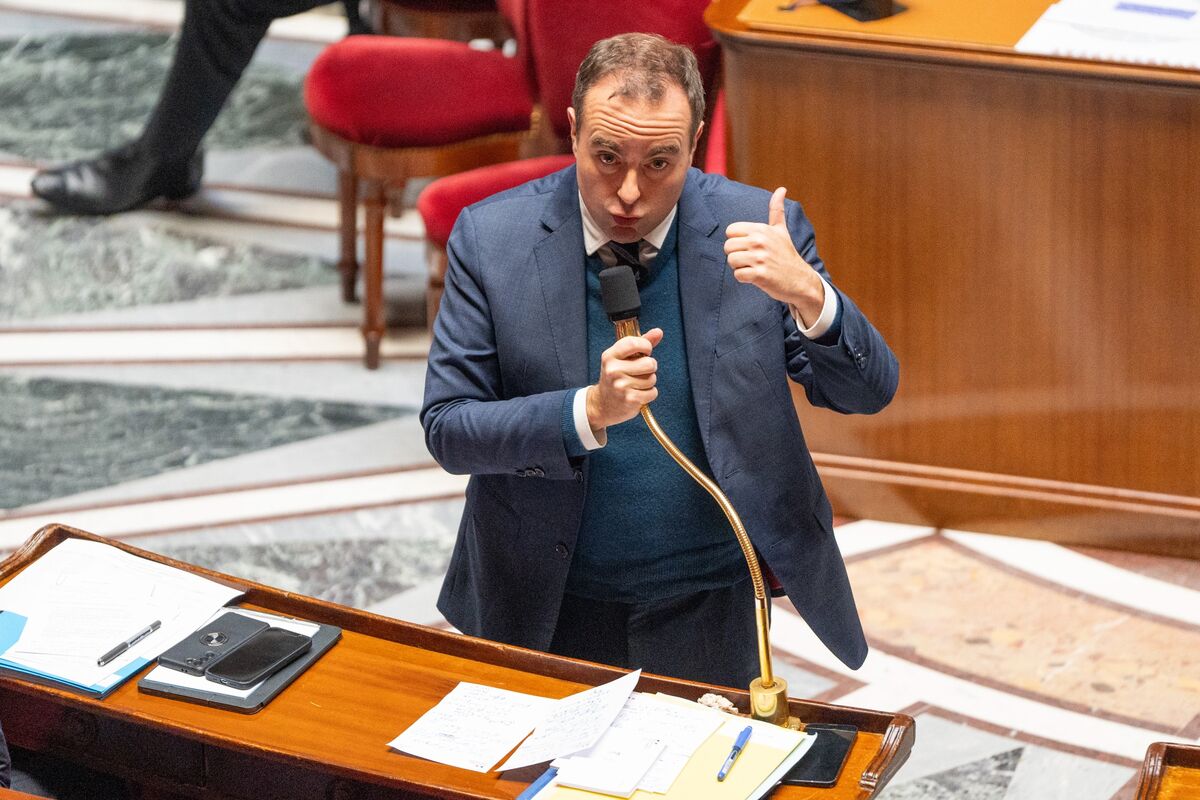
French Prime Minister Sebastien Lecornu announced he will not utilize the controversial constitutional tool to force the budget through the National Assembly, indicating a shift towards seeking broader parliamentary consensus. This decision, attributed to the current 'binary' political landscape and a call for 'ruptures,' suggests potential delays or modifications to France's fiscal policy, introducing uncertainty regarding the government's ability to swiftly implement its legislative agenda amidst political fragmentation.
The French Prime Minister's decision to forgo the use of a constitutional tool to force the budget's passage signals a significant shift in legislative strategy, introducing material uncertainty for France's fiscal outlook. This move, framed as a response to a 'binary' political environment, effectively subordinates the government's agenda to the consensus-building process within a fragmented National Assembly. The consequence is a heightened risk of legislative gridlock, potential delays in implementing fiscal policy, and the possibility of a watered-down budget. The market's mildly negative sentiment and uncertain tone reflect the increased political risk and the potential for a less decisive government, which could impact investor confidence in the country's economic management and ability to enact reforms. This development elevates the importance of monitoring French domestic politics as a key variable for European asset allocation.
AI-powered research, real-time alerts, and portfolio analytics for institutional investors.
Request DemoOverall Sentiment
mildly negative
Sentiment Score
-0.30
