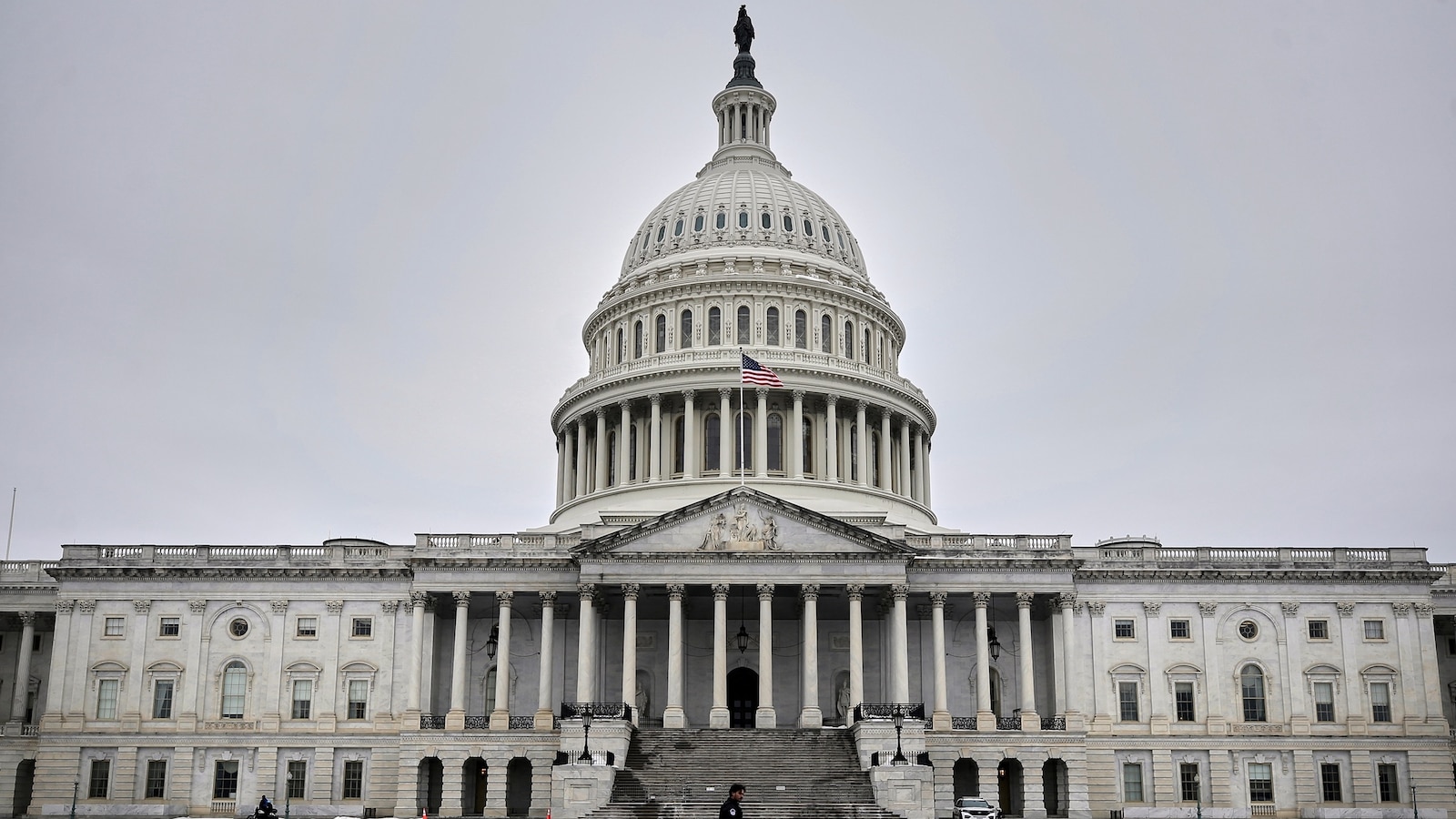
The DCCC added five Republican-held districts to its 2026 "Districts in Play" list, bringing the total to 44; the additions are Colorado's 5th (Rep. Jeff Crank), Minnesota's 1st (Rep. Brad Finstad), Montana's 1st (Rep. Ryan Zinke), Virginia's 5th (Rep. John McGuire) and South Carolina's 1st (open as Rep. Nancy Mace runs for governor). The committee said it targeted districts President Trump won in 2024 by 13% or less and has launched nominee funds to support eventual Democratic nominees, citing special-election momentum, though the Cook Political Report still rates these seats as leaning or solidly Republican and Virginia redistricting remains uncertain. Democrats would need a net gain of three House seats to flip the chamber (assuming current vacancies are filled by same-party successors).
Market structure: Democrats expanding a 44-seat “in play” map modestly increases probability of a narrower GOP majority or a scaled-back GOP agenda in 2027; this favors regulated, stable cash-flow sectors (utilities, large-cap healthcare) and hurts cyclicals that rely on deregulatory/tax windfalls (regional banks, energy services). Expect rotation into defensive and policy-sensitive names if polling sustains a Democratic edge (>+3 generic for 4–6 weeks).
Risk assessment: Key tail risks include a late GOP reversal (major fundraising or hot issue) or court-driven redistricting shocks; both could reprice political risk in days. Short-term (weeks) volatility will cluster around primaries and state redistricting rulings; medium-term (6–12 months) outcomes hinge on net seat changes ≥3 and legislative control scenarios that materially affect fiscal policy and sector regulation.
Trade implications: Tactical plays favor long-duration government bonds and selected clean-energy/regulated-utility exposure on a rising probability of modest Democratic gains, while trimming pro-cyclical financials and oil services. Use relative-value (long NEE, short XOM) and event-driven option structures (VIX call spreads around primaries/redistricting) to express asymmetric risk/reward with limited capital.
Contrarian angles: Consensus assumes small macro impact; history (2018 midterms) shows market sector rotations can persist 6–12 months after a House flip. Markets may underprice political volatility tied to mid-decade redistricting and nominee quality in open GOP seats (MT, VA, CO): those idiosyncratic rides create opportunities for concentrated, short-duration trades rather than broad permanent shifts.
AI-powered research, real-time alerts, and portfolio analytics for institutional investors.
Request DemoOverall Sentiment
mildly positive
Sentiment Score
0.10
