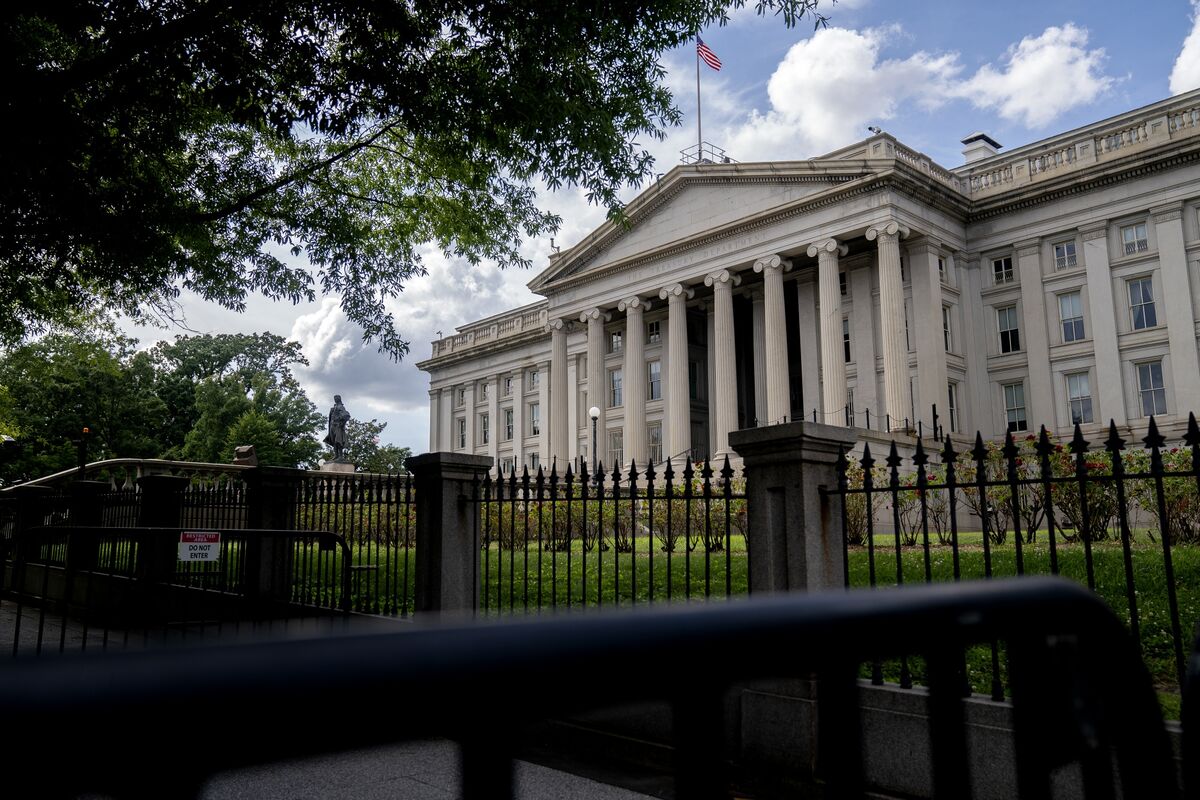
US Treasuries rallied following the Federal Reserve's widely anticipated quarter-point interest rate cut, enacted to support the sagging labor market. This dovish policy action immediately impacted fixed income markets, with 2-year Treasury yields falling three basis points to 3.47% and benchmark 10-year yields dipping below 4%, reflecting a broad decline across all maturities.
The U.S. Treasury market experienced a broad-based rally following the Federal Reserve's decision to implement a widely anticipated quarter-point interest rate cut. This monetary easing was explicitly aimed at supporting a 'sagging labor market,' signaling a dovish policy stance. The market reaction was immediate and consistent with expectations, as yields across all maturities declined by at least two basis points. Notably, the two-year Treasury yield, which is most sensitive to near-term Fed policy changes, fell by three basis points to 3.47%, while the benchmark 10-year yield dropped below the key 4% threshold. This downward shift in the yield curve reflects the market's pricing-in of the central bank's accommodative action and its concern over weakening economic fundamentals.
AI-powered research, real-time alerts, and portfolio analytics for institutional investors.
Request DemoOverall Sentiment
moderately positive
Sentiment Score
0.50
