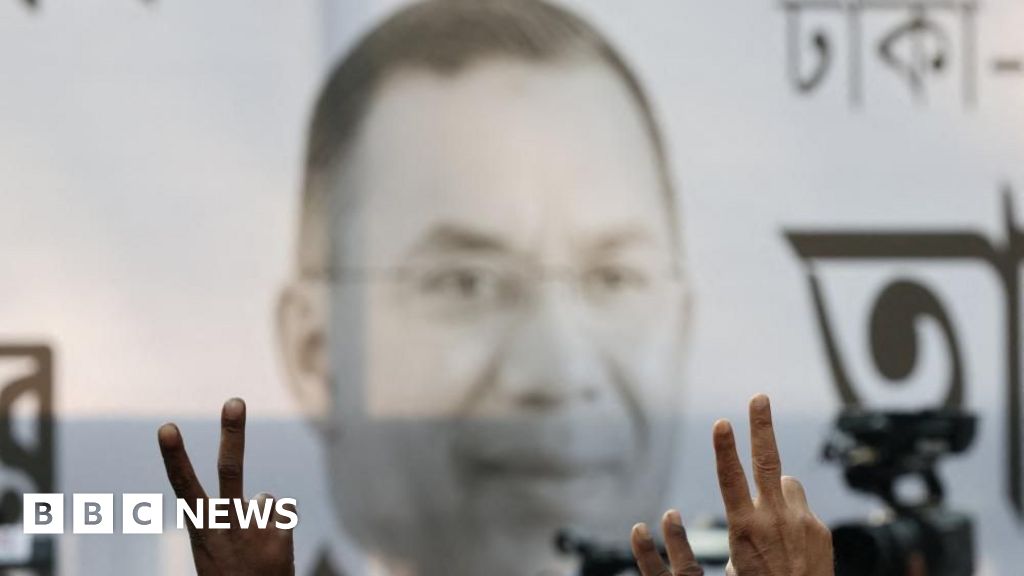
The centre-right Bangladesh Nationalist Party won a landslide in the 12 February general election—taking more than two-thirds of parliamentary seats with 212 successful BNP candidates and 59.44% reported turnout—while the Awami League was barred from participation. BNP leader Tarique Rahman is set to become prime minister and faces urgent macroeconomic challenges including rising food inflation, job creation for a youthful population and restoring investor confidence after 15 years of contested rule; a concurrent referendum targets sweeping constitutional reforms (term limits, a directly elected upper house, stronger presidential powers, greater judicial independence). Immediate geopolitical priorities include repairing ties with India (PM Modi congratulated Rahman), but the BNP’s past corruption record and the scale of promised reforms create significant policy and political execution risk for investors in Bangladeshi assets and regional exposures.
Market structure: A BNP landslide and promised democratic reforms create a binary outcome for Bangladesh assets — a short-term risk-off and a medium-term re-rating if reforms attract FDI. Direct winners (if stability returns) are local banks, construction/property names and export-oriented RMG suppliers via higher credit growth and capex; losers are incumbents tied to Awami League procurement and any state-linked monopolies facing reform. Across assets expect immediate equity volatility, wider USD sovereign spreads and BDT FX swings; commodity imports (rice, wheat) may rise if food-price caps are imposed, pressuring the trade balance.
Risk assessment: Tail risks include mass unrest, military intervention, or a hardline coalition that triggers sanctions or aid freezes — low probability but >20% impact on FX and sovereign debt. Time horizons: days = volatility spike and capital outflows; 1–6 months = policy clarity and IMF/bilateral talks; 1–3 years = growth re-rating if investor-friendly reforms and term limits materialize. Hidden dependency: remittances and RMG demand (EU/US apparel) will determine near-term external buffers; India relations are a systemic hinge.
Trade implications: Tactical entry: buy Bangladesh-specific exposure during the first 72 hours of dislocation and scale as reforms or an IMF program are announced within 30–90 days. Use a long BDN (VanEck Vectors Bangladesh ETF) base position sized 2–3% of risk assets, paired with a short EEM or FM leg to isolate country-specific alpha. Fixed-income play: add Bangladeshi USD paper only if 5yr sovereign spread >300bps vs UST, targeting carry >200bps with 3–5yr duration.
Contrarian angle: Consensus prices sustained instability; what’s missed is fast re-normalization if Rahman credibly commits to fiscal discipline and India/IMF engagement — that could produce a 20–40% equity re-rating within 12–24 months. Reaction risk is asymmetric: a 10–20% sell-off could present high Sharpe re-entry points, while political backsliding would require cutting positions sharply. Monitor cabinet composition and IMF letters of intent as binary catalysts.
AI-powered research, real-time alerts, and portfolio analytics for institutional investors.
Request DemoOverall Sentiment
mixed
Sentiment Score
-0.05
