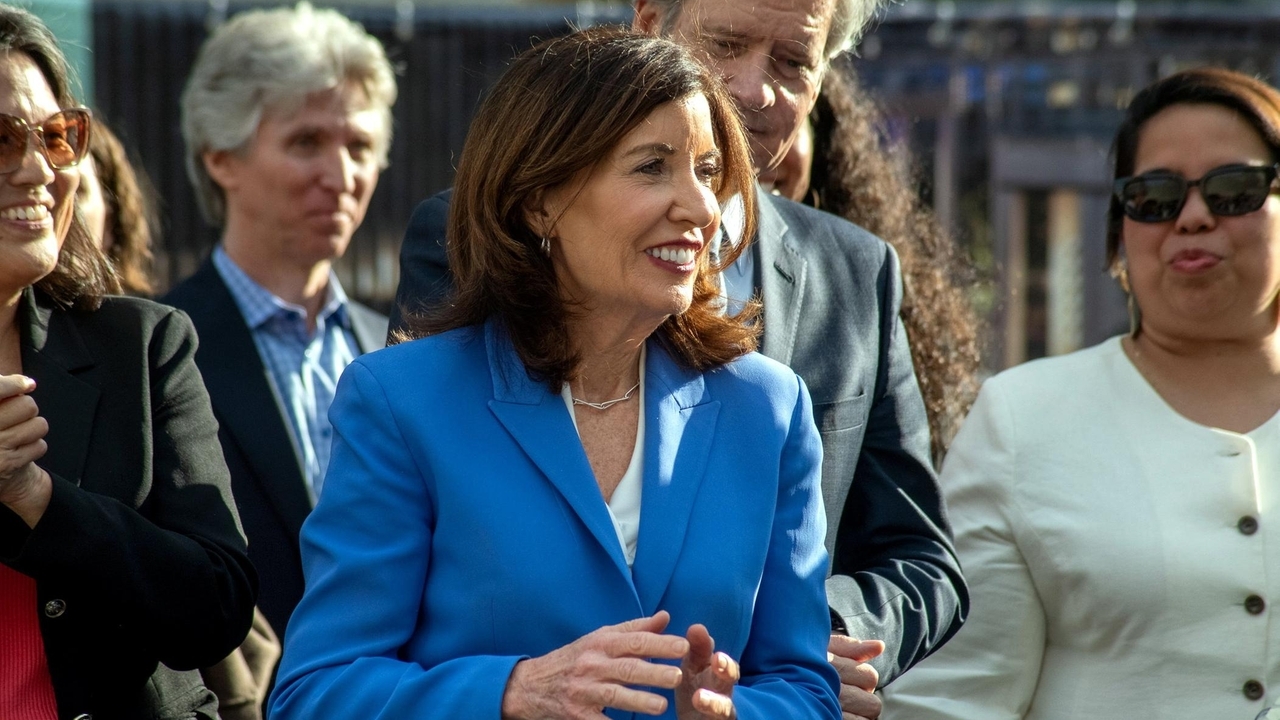
Negotiations between the MTA and five LIRR unions remain unresolved with a potential strike just five days away, putting service for about 270,000 daily riders at risk. The sides are split on the final year of a four-year contract, with unions seeking 5% raises and the MTA offering 3% to as much as 4.5% with productivity concessions. Gov. Hochul said she is focused on a deal to avoid a shutdown, while talks are set to resume Wednesday.
The market is underpricing how quickly a local labor dispute can become a systemwide pricing event for the MTA. The first-order issue is wage cost, but the second-order effect is political: if Hochul intervenes to avoid a shutdown, she effectively validates labor’s leverage and raises the reservation wage for every other union now at the table, especially TWU. That means the economic cost of “no strike” may show up later through broader pattern-setting, not just on the LIRR line.
For investors, the key risk window is measured in days for the strike outcome, but months for the follow-through. A weekend shutdown would create a sharp, temporary hit to commuting patterns, but the more durable trade is the probability of cascading contract inflation across the MTA workforce. Even a concession that looks modest on paper can force fare increases or subsidy pressure later, which is negative for New York credit optics and increases political friction around future budgeting.
The contrarian view is that the headline strike threat may be less important than the signal from a negotiated settlement. A deal reached under pressure would likely be structured to preserve face on both sides, which usually means back-end concessions, one-time payments, or work-rule changes that are harder to see immediately but materially affect operating efficiency. In that case, the downside for transit users is capped, but the long-run margin pressure on the MTA remains and the labor precedent gets embedded across the system.
AI-powered research, real-time alerts, and portfolio analytics for institutional investors.
Overall Sentiment
mildly negative
Sentiment Score
-0.25
Ticker Sentiment
