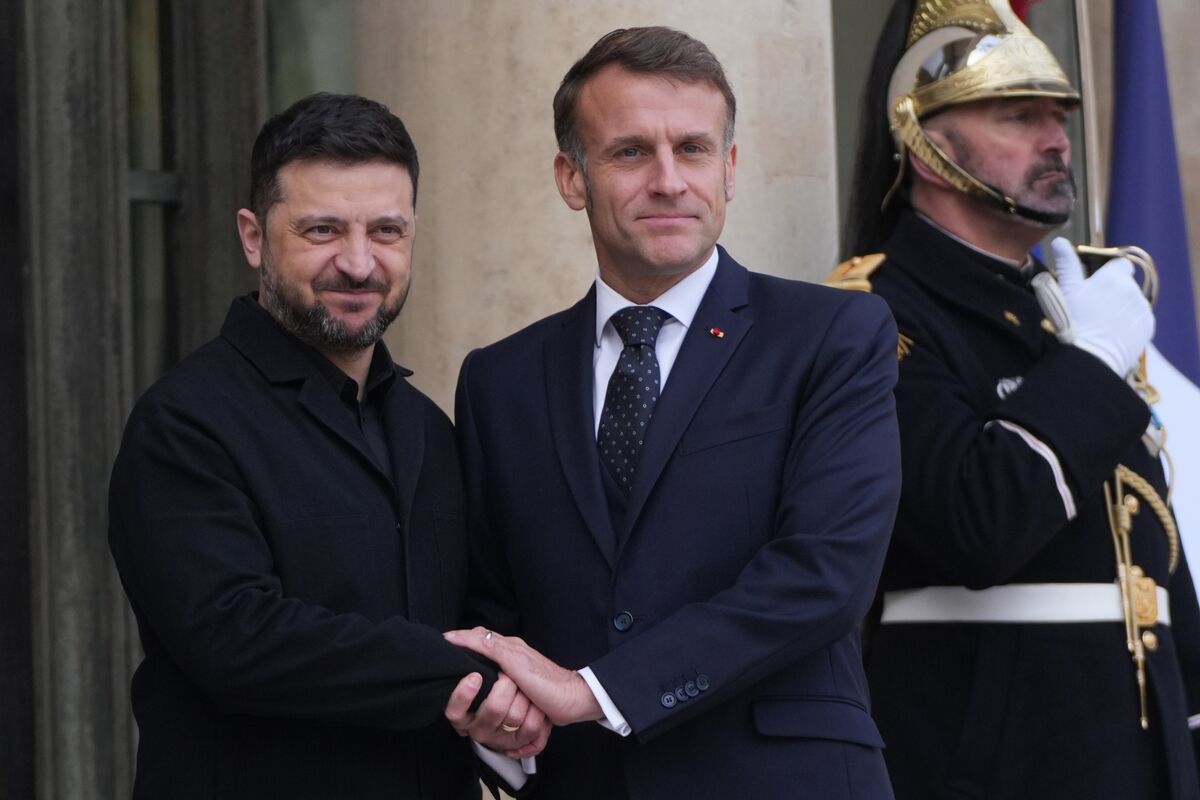
Trump envoy Steve Witkoff flew to Moscow as part of diplomatic activity around Russia-Ukraine peace negotiations, while Ukrainian President Volodymyr Zelenskiy visited France, underscoring concurrent outreach to key European and Russian interlocutors. These developments keep geopolitical risk elevated and should be monitored by investors for potential knock-on effects on European political dynamics, sanctions policy and energy and risk-asset volatility.
Market structure: A credible move toward diplomacy (Witkoff in Moscow, Zelenskiy in Europe) is a net negative for defense suppliers and commodity-risk premia and positive for European cyclicals, travel, and financials. If talks show traction within 30–90 days, expect 5–15% downside pressure on defense landlords/ETFs (ITA, XAR) and 5–12% compression in Brent/US crude due to reduced risk premium; opposite moves if talks collapse.
Risk assessment: Tail risks include a rapid escalation from miscommunication, formal US policy shifts under a future administration, or sanctions re-imposition leading to a violent 10–20% knee-jerk move in oil and a VIX spike >40. Immediate (days): headline-driven volatility spikes; short-term (weeks/months): position reallocation across energy/defense; long-term (quarters+): structural re-pricing if sanctions are permanently eased and Russian energy returns to markets.
Trade implications: Construct small, asymmetric positions — defensive call hedges on RTX/LMT for escalation scenarios, and contingent oil downside trades if credible détente emerges. Use pair trades to capture relative re-rating (long European equities VGK vs short defense ETF XAR) over 3–6 months. Maintain 1% tail allocation to volatility (VIX/VXX calls) as insurance.
Contrarian angles: Consensus underestimates political execution risk — markets often price a binary outcome but historically (e.g., Minsk) ceasefires were temporary and led to quick reversals. This creates mispricing: defense names may be overvalued for an extended peace “false positive,” while European cyclicals may be under-owned; prepare to flip positions rapidly on concrete sanctions or pipeline flow updates.
AI-powered research, real-time alerts, and portfolio analytics for institutional investors.
Request DemoOverall Sentiment
neutral
Sentiment Score
0.00
