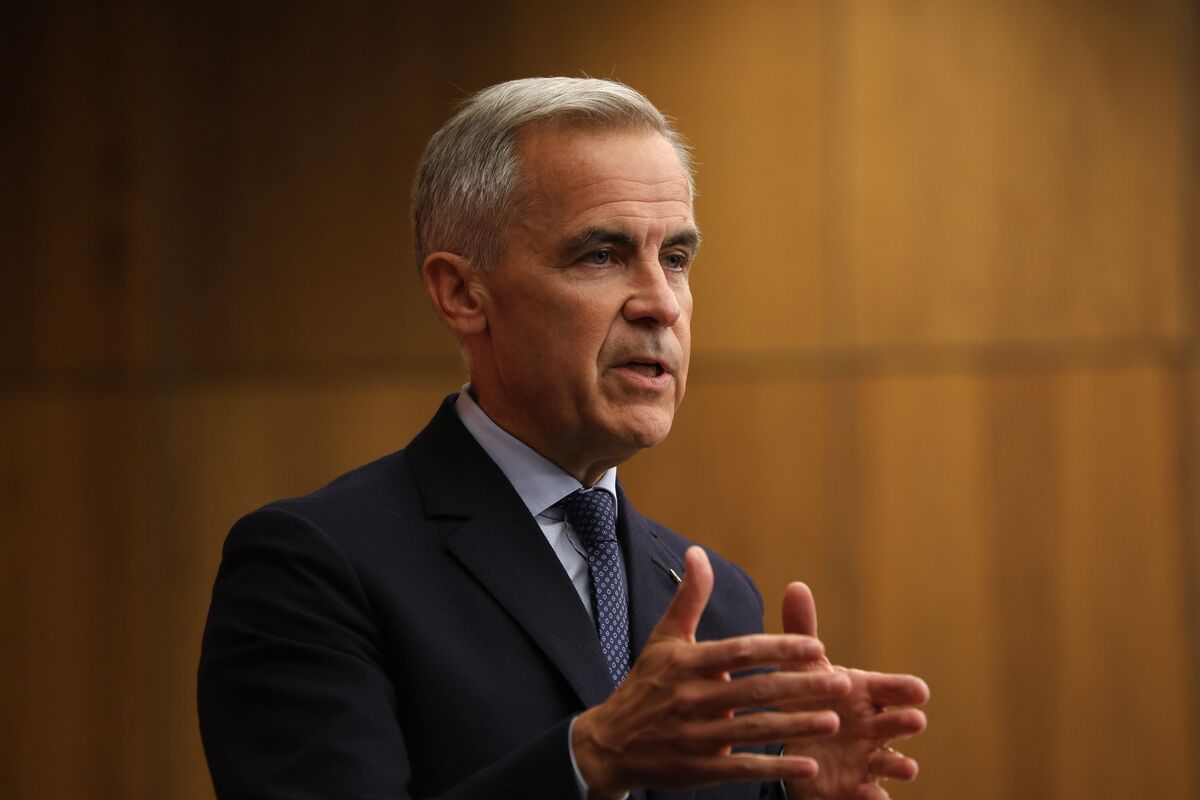
Canada's government, led by Prime Minister Mark Carney, has committed approximately C$2 billion ($1.5 billion) annually to significantly raise military pay by 8-20% across ranks and enhance recruitment/training. This substantial expenditure positions Canada closer to meeting its NATO defense spending target, signaling increased fiscal commitment to defense.
The Canadian government has announced a significant fiscal injection into its defense sector, committing an additional C$2 billion ($1.5 billion) annually. This expenditure is primarily allocated to a substantial pay increase for military personnel, with raises ranging from 8% to 20% across various ranks, and also includes enhanced funding for recruitment and training initiatives. The move is strategically significant as it directly addresses Canada's commitment to NATO, pushing the country's defense spending closer to the alliance's target. Despite the notable size of the annual commitment, the immediate market impact is assessed as low, suggesting that while the policy strengthens Canada's geopolitical standing and provides a direct stimulus to its defense human capital infrastructure, it is not currently viewed as a major catalyst for broad market indices or currency valuation. This represents a clear shift in fiscal priorities towards defense, driven by geopolitical considerations.
AI-powered research, real-time alerts, and portfolio analytics for institutional investors.
Request DemoOverall Sentiment
moderately positive
Sentiment Score
0.50
