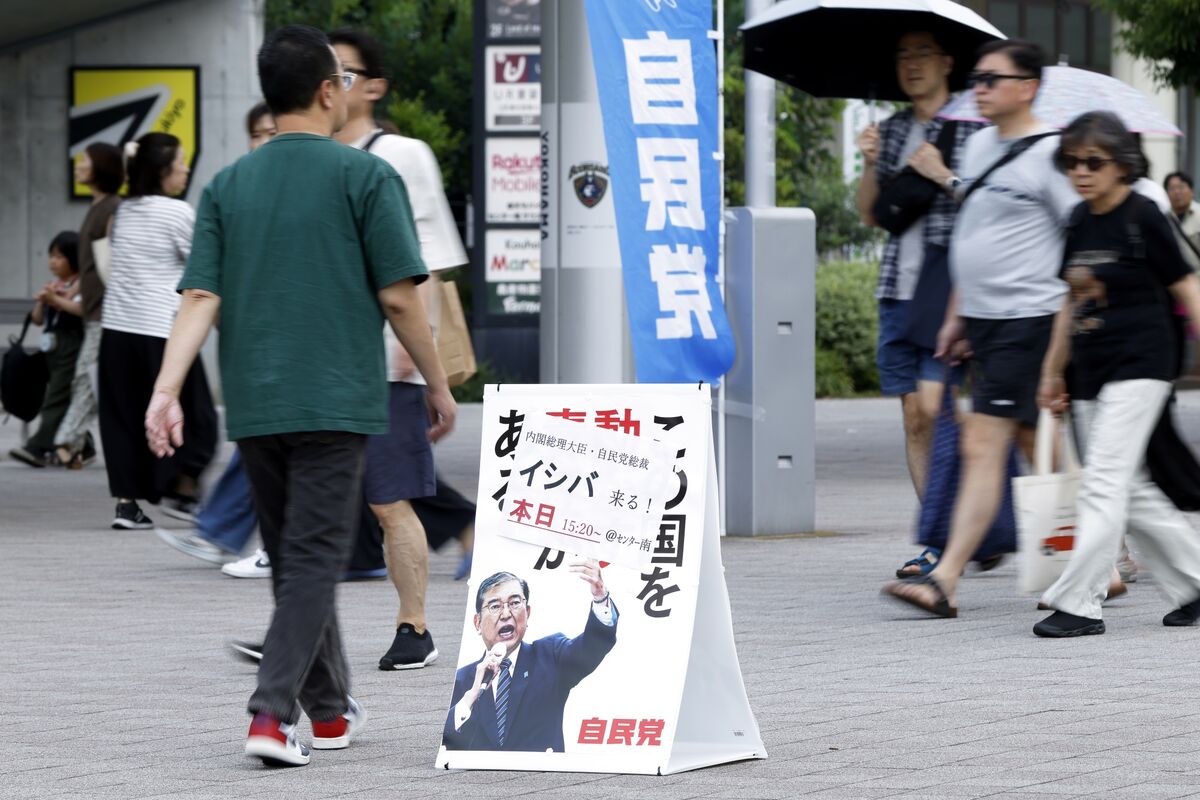
Japan's Prime Minister Shigeru Ishiba faces a critical upper house election on Sunday, with his 10-month premiership and the ruling coalition's majority at stake. Amidst public discontent over inflation and unresolved US tariff negotiations, the LDP-Komeito coalition aims to secure 50 of the 125 contested seats to maintain an overall majority, a target that still implies a loss of up to 16 seats and potential legislative challenges for Ishiba's government.
The upcoming upper house election in Japan poses a significant political risk to Prime Minister Shigeru Ishiba's 10-month-old administration, creating a climate of uncertainty for investors. The ruling LDP-Komeito coalition is facing public discontent driven by two key economic stressors: persistent inflation and unresolved tariff negotiations with the United States. The coalition's stated goal of winning 50 of the 125 contested seats underscores the precariousness of its position; achieving this target would still represent a net loss of up to 16 seats, signaling a weakened legislative mandate. A poor showing could compromise the government's ability to enact stable economic policies, potentially leading to policy paralysis and impacting Japan's approach to critical trade and inflationary challenges, which aligns with the moderately negative sentiment and moderate market impact signals.
AI-powered research, real-time alerts, and portfolio analytics for institutional investors.
Request DemoOverall Sentiment
moderately negative
Sentiment Score
-0.40
