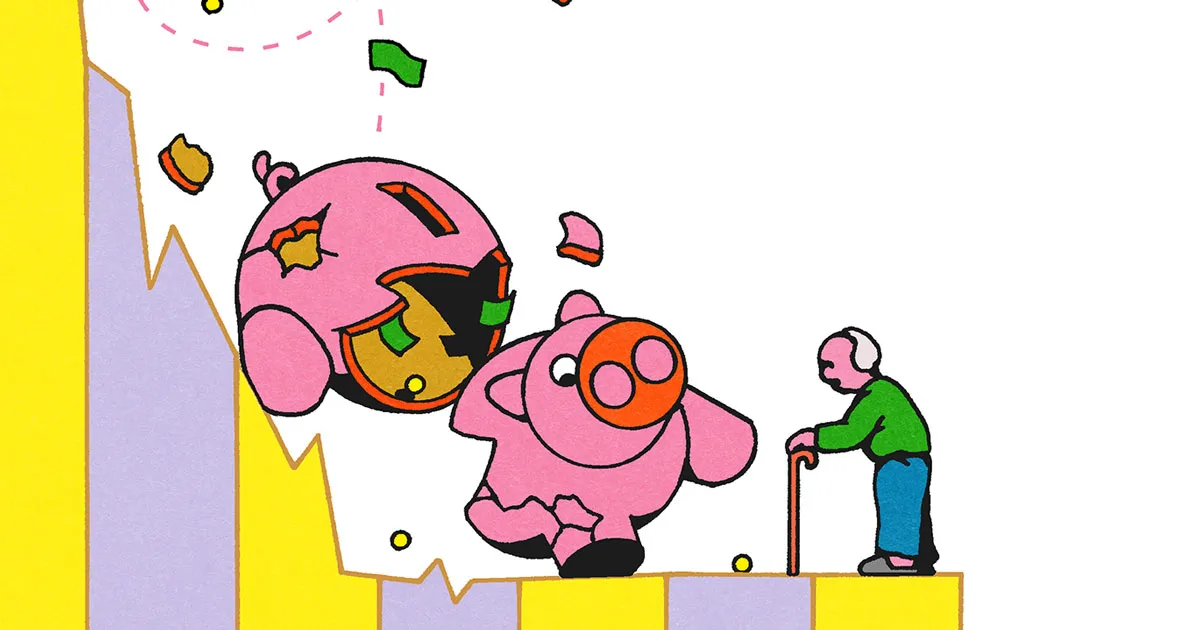
PHL Variable Insurance Co., a former Phoenix Mutual unit bought by Golden Gate Capital’s Nassau, was placed in Connecticut rehabilitation after regulators found a rapidly deteriorating balance sheet that has left policyholders receiving only capped amounts (typically $250,000–$300,000) and at least $400 million of promised benefits effectively withheld; regulators now estimate a roughly $2.2 billion capital shortfall. The failure followed private‑equity driven balance‑sheet engineering—including extensive use of captive reinsurance (about $5.3 billion in reinsurance, $3.5 billion with Concord Re), reduced capital cushions and a roughly 30% allocation to less liquid asset classes such as CLOs and structured notes that have been marked down materially (some positions down a third or more, others over 50%)—and came after multi‑notch rating downgrades. Golden Gate declined to inject fresh capital while Nassau continues to receive fees for services, and the rehabilitator is pursuing recoveries and asset sales; the episode raises litigation, recovery and contagion risks and underscores heightened regulatory scrutiny of private‑equity‑owned life insurers and counterparties.
Connecticut regulators placed PHL Variable Insurance Co. into rehabilitation after finding a rapidly deteriorating balance sheet that has capped policyholder payouts at $250,000–$300,000, left at least $400 million of promised benefits effectively withheld and produced an estimated capital shortfall of roughly $2.2 billion. Individual claimants illustrate the impact: a policy that promised $2.0 million yielded only $300,000 to a beneficiary, and a corporate policyholder still pays more than $671,000 per year to maintain coverage projected to pay $18 million.
The collapse followed private‑equity driven balance‑sheet reengineering including extensive captive reinsurance (about $5.3 billion of reinsurance, $3.5 billion with Concord Re), a roughly 30% allocation to less liquid structured products and CLOs that have been marked down materially (some positions down a third, others over 50%), and multi‑notch downgrades (S&P moved the insurer to CCC+ in 2019). A prior capital pledge to keep risk‑adjusted capital above 200% disappeared by 2021 after a $100 million injection and the unit’s move out of Nassau’s stronger entity.
Golden Gate/Nassau declined further capital contributions while PHL continues to pay millions for administration and asset management; the rehabilitator is pursuing recoveries, asset sales and litigation. The episode elevates legal, contagion and regulatory‑oversight risk for private‑equity owned life insurers and counterparties, and creates uncertainty for policyholder recoveries and counterparties tied to Nassau and the captive reinsurers.
AI-powered research, real-time alerts, and portfolio analytics for institutional investors.
Request DemoOverall Sentiment
strongly negative
Sentiment Score
-0.70
Ticker Sentiment
