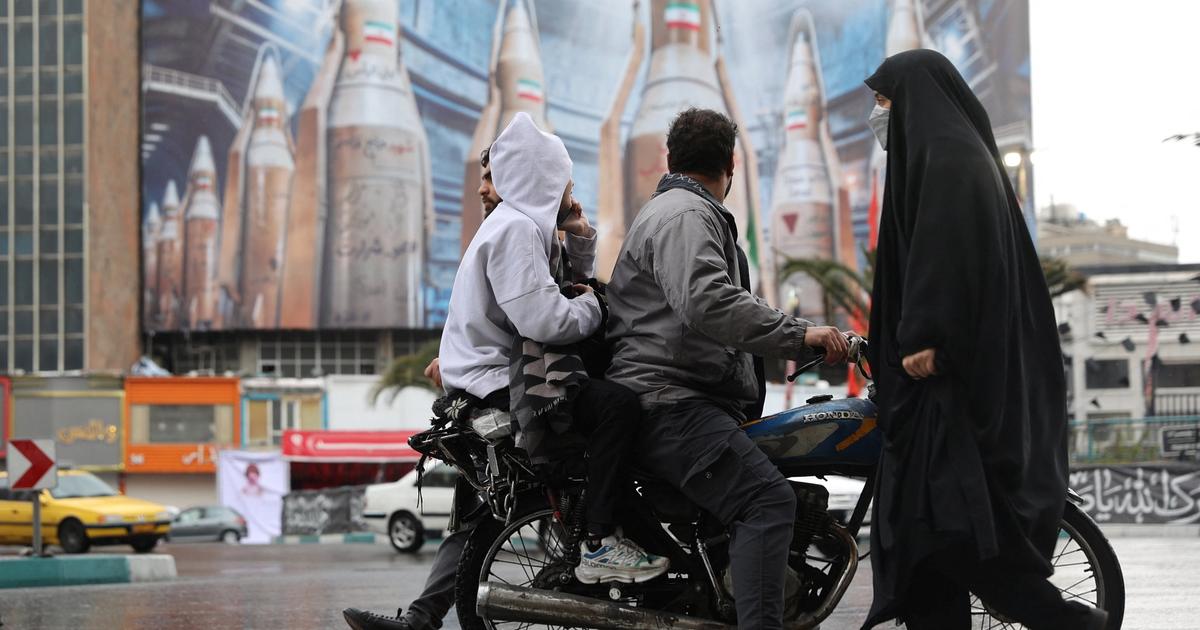
A US 15-point ceasefire proposal reached Tehran via Pakistan proposing sanctions relief, civilian nuclear cooperation, curbs on Iran’s nuclear/missile programs and shipping guarantees, but Iran publicly denies negotiations. The US is moving ~1,000 troops from the 82nd Airborne and deploying two Marine units while Israel and Iran continue strikes across the region, elevating near-term risk to energy infrastructure and shipping through the Strait of Hormuz. Uncertainty over who can negotiate inside Iran (discussion around Parliament speaker Ghalibaf) and rising diplomatic reprisals (EU/Sweden actions, Lebanon expelling Iran’s ambassador) increase downside risk for energy and risk-sensitive assets.
Market attention is fixated on headline diplomacy, but the real effect will be an elevated baseline of policy uncertainty that persists for months. Expect a structural bump to insurance and freight friction costs (shipping insurance, rerouting around chokepoints) that adds $3–8/boe of marginal transport cost regionally and keeps a persistent premium in Brent/Med product spreads for 3–9 months.
Defense and heavy-equipment procurement timelines shorten when troop deployments rise; that flow-through shows up as accelerated award recognition for prime contractors within 30–120 days and as higher backlog visibility over 6–12 months. Conversely, travel & leisure, airlines and ports exposed to Gulf transits will see demand leakage and margin compression before any political pivot can lift risk premia.
A U.S. test-channel strategy (seeking interlocutors inside Tehran’s complex power web) increases tail-risk of targeted decapitation or mis-signal—creating episodes of 48–72 hour volatility spikes rather than a slow grind. That dynamic favors convex instruments (short-dated calls on energy, long-dated defense optionality) and argues against buy-and-hold equity exposure in regionally-sensitive sectors without hedges.
Finally, market consensus underappreciates the asymmetric path: a limited negotiated pause likely reduces headline risk quickly but does not remove structural sanctions, meaning energy and defense repricing will not snap back fully — the regime of “higher baseline volatility + episodic spikes” is the most probable 6–18 month outcome.
AI-powered research, real-time alerts, and portfolio analytics for institutional investors.
Request DemoOverall Sentiment
strongly negative
Sentiment Score
-0.70
