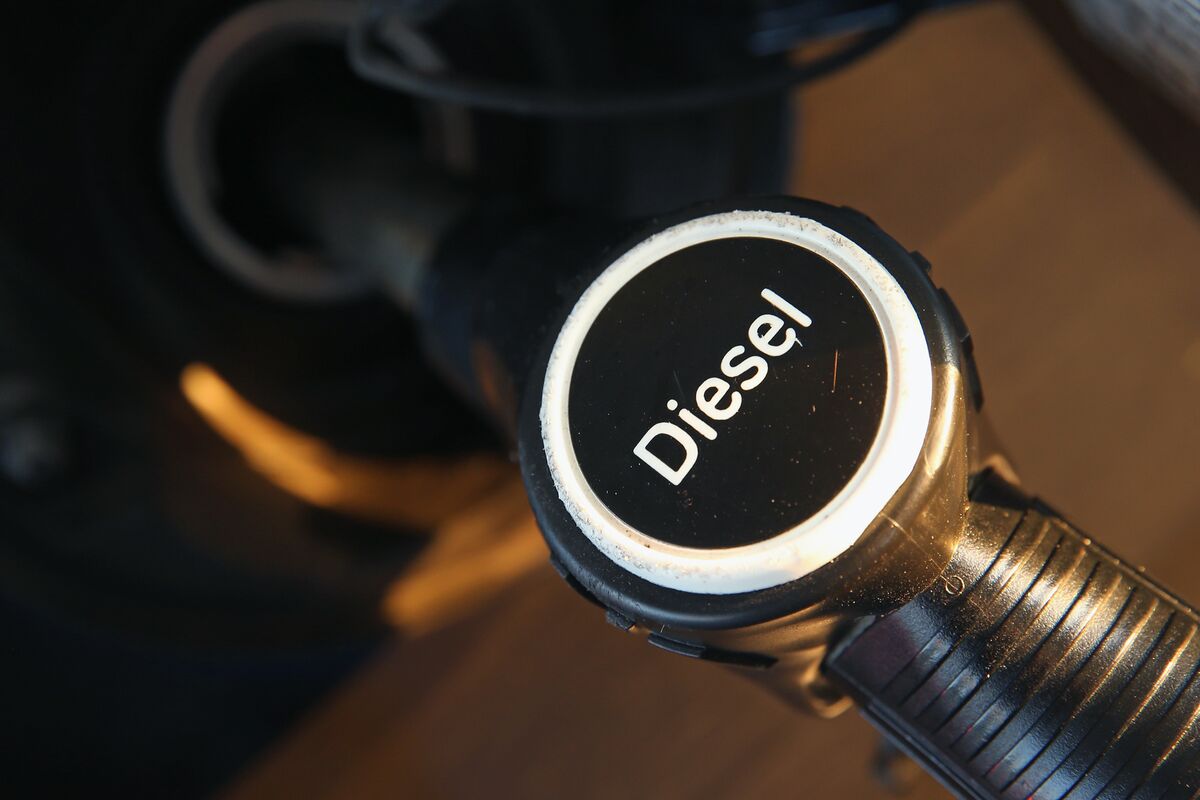
Russia plans to ban diesel exports for resellers and extend its gasoline export ban for both producers and resellers until year-end, as announced by Deputy Prime Minister Alexander Novak. This measure, prompted by Ukrainian drone strikes on refineries, aims to stabilize domestic fuel markets but is expected to tighten global diesel and gasoline supplies, potentially influencing international energy prices and affecting trading operations.
The Russian government's decision to ban diesel exports for resellers and extend its gasoline export ban for both producers and resellers until the end of the year represents a significant state intervention in energy markets. This defensive policy, directly attributed by Deputy Prime Minister Alexander Novak to the impact of Ukrainian drone strikes on national refineries, aims to stabilize domestic fuel availability. While the diesel ban is specifically limited to resellers, sparing major producers, it will still remove a component of supply from the international market. The more comprehensive gasoline ban, affecting all exporters, signals a more acute domestic supply concern for that fuel. This dual-action policy is set to tighten global refined product markets, creating upward pressure on prices and introducing further volatility linked to geopolitical events, as indicated by the high market impact score of 0.7.
AI-powered research, real-time alerts, and portfolio analytics for institutional investors.
Request DemoOverall Sentiment
strongly negative
Sentiment Score
-0.70
