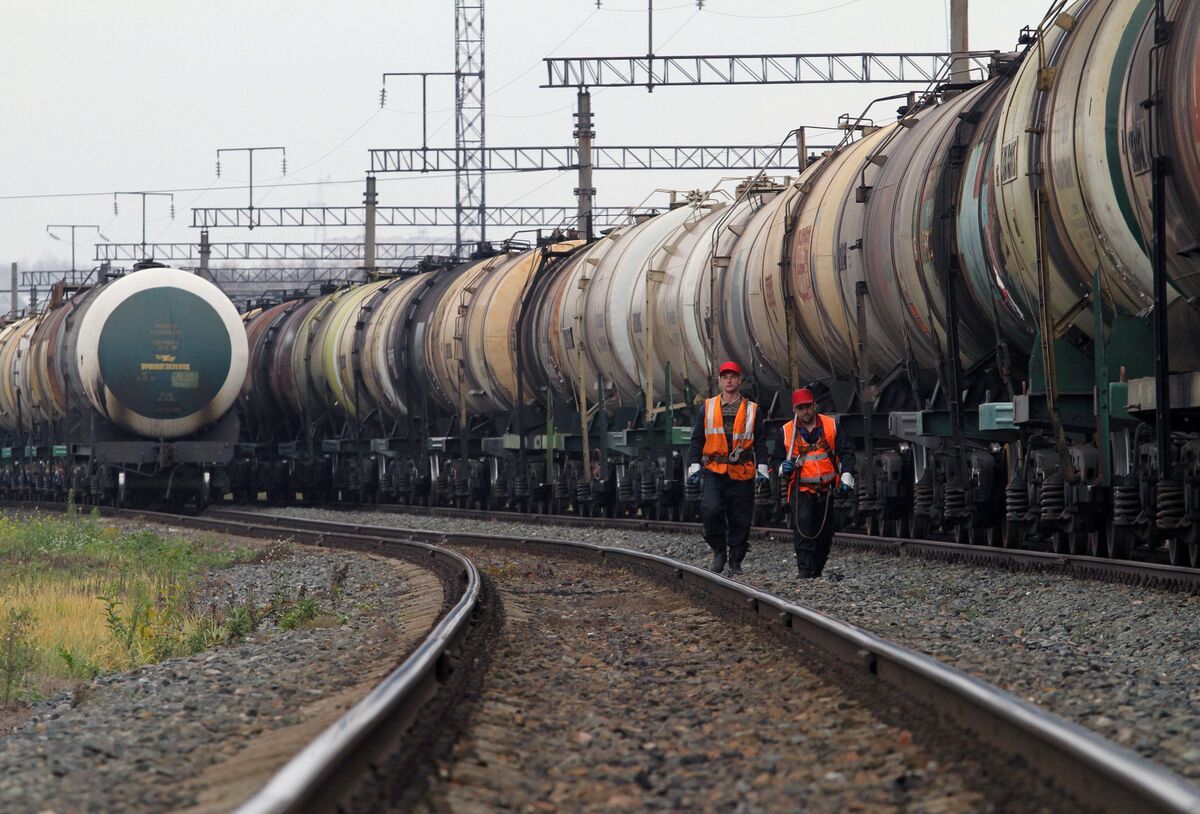
Ukrainian drone strikes on Russian oil refineries have intensified Russia's domestic fuel market crisis, pushing wholesale fuel prices to record highs in August amidst strong seasonal demand. This supply disruption is significantly squeezing smaller, independent gas stations, threatening their operational viability and highlighting broader economic vulnerabilities within the sector.
Ukrainian drone strikes on Russian oil refineries have created a significant supply-side shock to Russia's domestic fuel market, compounding pressures from high seasonal demand. This has directly resulted in wholesale fuel prices reaching record levels in August, indicating a severe tightening of supply. The primary economic consequence highlighted is the acute pressure on smaller, independent gas station operators, who lack the vertical integration of major Russian oil companies. Their inability to absorb rising wholesale costs threatens their operational viability, revealing a structural vulnerability within Russia's downstream energy sector and pointing to potential market consolidation and localized fuel shortages, particularly in logistically challenging regions.
AI-powered research, real-time alerts, and portfolio analytics for institutional investors.
Request DemoOverall Sentiment
strongly negative
Sentiment Score
-0.70
