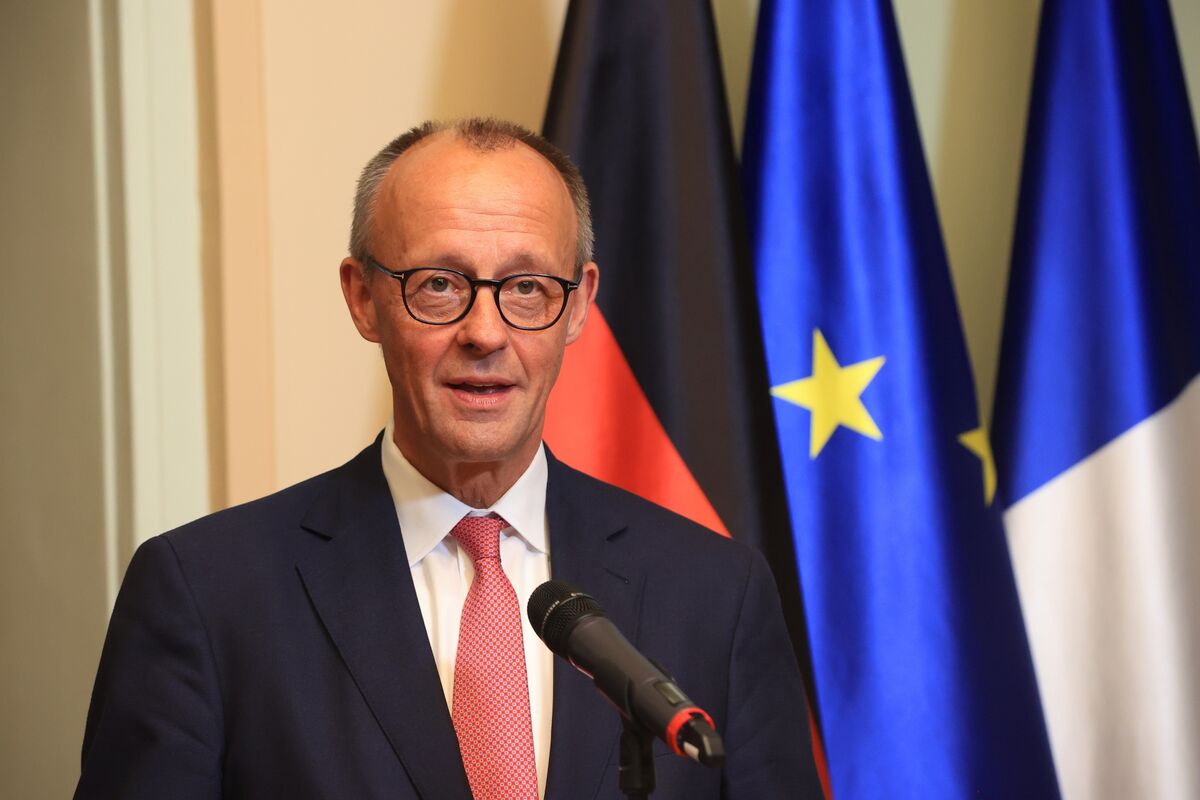
German opposition leader Friedrich Merz has stated that Germany is still deliberating its position on the European Union's proposed sanctions against Israel. This highlights ongoing internal debate within the EU regarding its foreign policy response and introduces an element of geopolitical uncertainty for investors monitoring regional stability and potential trade implications.
Germany's ongoing deliberation regarding the European Union's proposed sanctions against Israel, as noted by opposition leader Friedrich Merz, introduces a significant element of geopolitical uncertainty. This internal debate within a key EU member state signals potential delays or significant modifications to the bloc's foreign policy response. The situation carries a "mildly negative" sentiment and an "uncertain" tone, reflecting the ambiguity of the outcome. While the immediate market impact score is low at 0.35, the decision holds future implications for regional stability and EU-Israel trade relations. The core issue for investors is the developing risk profile associated with potential sanctions, a theme that could gain market relevance should Germany's position solidify in favor of punitive measures.
AI-powered research, real-time alerts, and portfolio analytics for institutional investors.
Request DemoOverall Sentiment
mildly negative
Sentiment Score
-0.20
