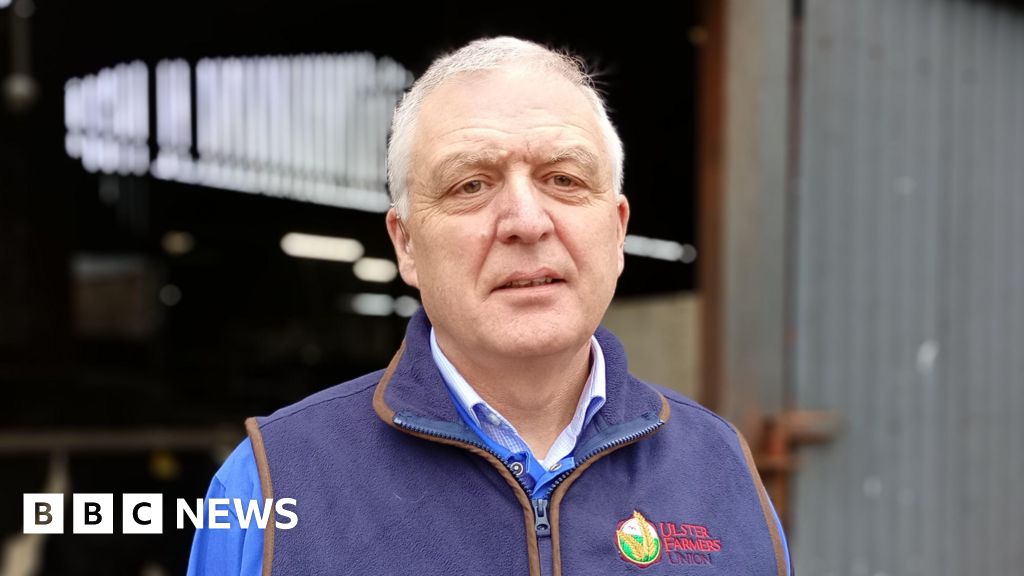
The UK government has softened planned changes to inheritance tax on agricultural assets, raising the threshold from £1m to £2.5m after protests and concern from MPs; ministers had proposed a 20% tax on inherited agricultural assets above the original £1m from April 2026, ending a long-standing 100% relief. Ulster Farmers Union estimates 80–90% of Northern Ireland farms will now be largely covered by the higher threshold, a move that reduces near-term financial pressure on family farms and may modestly boost investment confidence in the sector, though the tax remains in place and further political pushback continues.
Market-structure: Raising the inheritance-tax threshold from £1m to £2.5m materially reduces the near-term probability of forced farmland disposals in Northern Ireland — UFU’s 80–90% coverage claim implies a 60–80% reduction in distressed supply vs the original plan. Winners: family farms, regional farm lenders and processors that rely on stable domestic supply; losers: tax-planning advisers and buyers who positioned for distress. This change is a demand-preservation move for land values rather than a stimulus to farm cashflows.
Competitive dynamics & supply/demand: With much of the ‘asset-rich, cash-poor’ cohort removed from forced-sale risk, expect price support for farmland locally and less downward pressure on rents; conservatively model a 5–15% lift or avoided decline in near-term NI land valuations versus the original policy baseline. Pricing power shifts modestly to incumbent farm suppliers and domestic processors (lower replacement risk), while ag-inputs and commodity exposures remain driven by global cycles. Cross-asset: small tightening in regional bank credit spreads (10–30bp) and marginally firmer sterling (0.1–0.3%), minimal effect on gilts.
Risk assessment & timing: Tail risks include a reversal or UK-wide harmonisation that reinstates lower thresholds before April 2026 (low prob. but high impact — could force sales and 10–20% land-price correction). Immediate (days–weeks): sentiment bounce priced into small-caps and regional lenders; short-term (months): repositioning ahead of 2026 implementation; long-term (years): outcome depends on next Budget and devolved negotiations. Hidden dependencies: farm incomes (commodity prices, labour costs) and cross-border NI/ROI tax arbitrage.
Actionable outlook & catalysts: Key catalysts are Treasury/Budget language in the next 90 days, Stormont committee moves and farmer lobbying intensity; any signal that >50% of farms remain protected should compress spreads further. Conversely, renewed central-government tightening or a UK-wide policy change would reverse the trade — set explicit stop thresholds tied to policy announcements.
AI-powered research, real-time alerts, and portfolio analytics for institutional investors.
Request DemoOverall Sentiment
mildly positive
Sentiment Score
0.25
