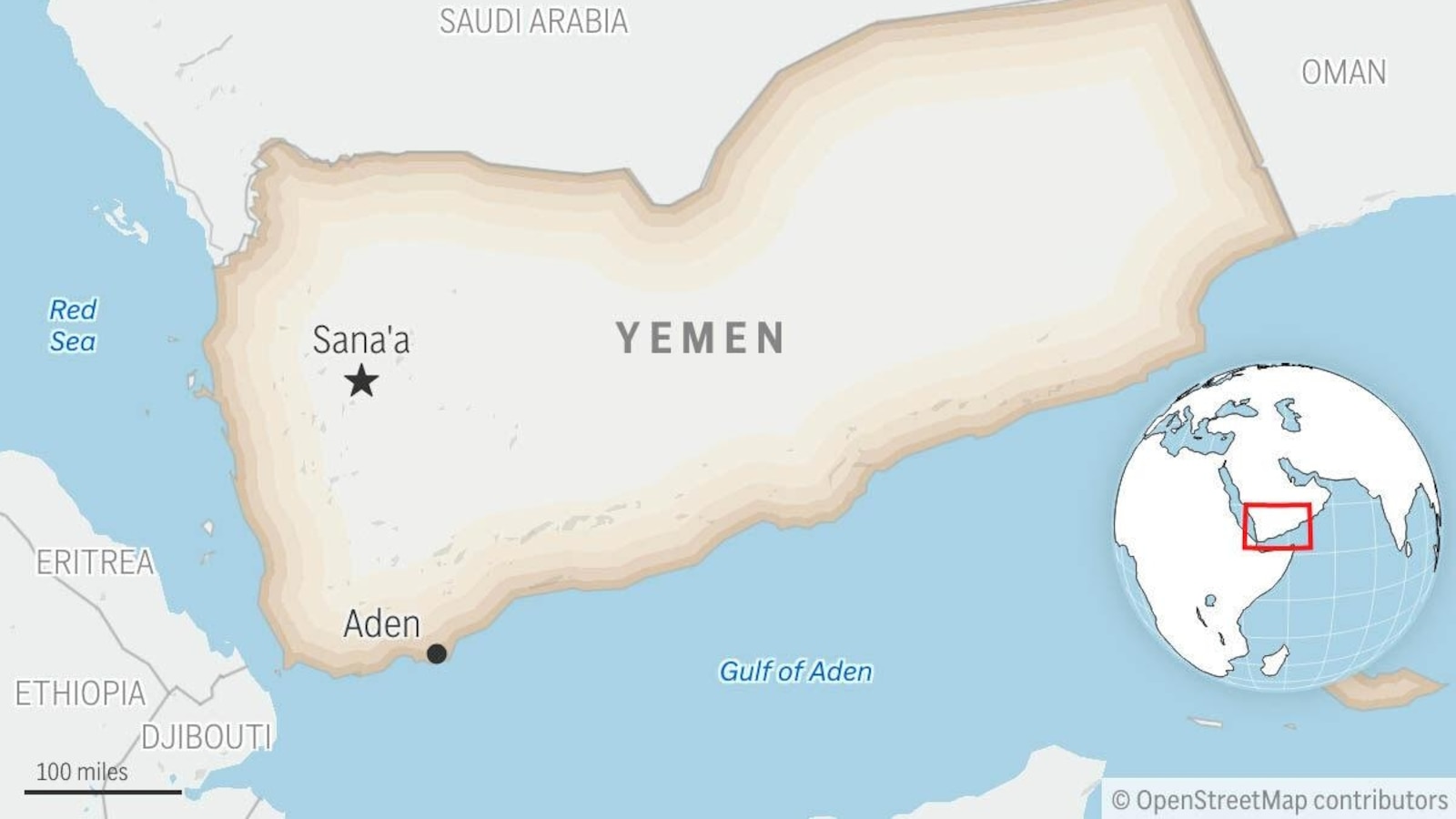
The Saudi-led coalition warned it will immediately respond to any military movements by UAE-backed Southern Transitional Council (STC) forces that undermine de-escalation in southern Yemen, accusing the STC of serious human-rights violations. The warning follows STC incursions into Hadramout and Mahra and the seizure of an oil-rich area, prompting coalition demands for STC withdrawal and handover of camps; the U.S. urged restraint and diplomacy. Elevated tensions between Saudi Arabia and the UAE over the STC raise regional stability risks and potential implications for energy supply dynamics that investors should monitor.
Market structure: Near-term winners are oil producers/OPEC+ creditors and defense contractors (LMT, RTX, GD, ITA) via potential risk-premium on crude and defense budgets; losers include regional logistics/airlines (JETS), shipping insurers and frontier Gulf equities if risk aversion rises. A localized seizure of an “oil-rich” Yemeni governorate implies supply shock of tens-to-low-hundreds k barrels/day risked intermittently — enough to move Brent 3–10% on headline escalation but not to structurally rebalance global supply.
Risk assessment: Tail risks include rapid UAE–Saudi diplomatic rupture, escalation by Houthis to Red Sea chokepoints, or targeted strikes closing ports — each could deliver >10% Brent spikes and >50bp widening in GCC sovereign CDS within weeks. Immediate (days): headline-driven volatility and risk-off; short-term (weeks–months): oil volatility and insurance/shipping premia; long-term (quarters+): upward revision to regional defense spend and selective supply-chain re-routing. Hidden dependencies: US/Saudi/UAE coordination, OPEC+ spare capacity, and tanker insurance decisions that can amplify or dampen price moves.
Trade implications: Prefer convex, size-constrained exposure — use options and relative trades rather than directional futures. Buy short-dated Brent call spreads (3-month) sized 0.5–1.5% NAV with strikes ~+5%/+20% to capture headline spikes while capping loss. Go 1–2% NAV long defense (ITA or 0.5% each LMT, RTX, GD) financed by 1% short JETS; add 1% GLD as tail-risk hedge and 1% UUP if EMFX weakness exceeds 2% in 5 trading days.
Contrarian angles: Markets may over-react to Yemen as a standalone supply risk (2019 Abqaiq-style spikes faded); therefore avoid outright long crude futures >2% NAV. The consensus underestimates a scenario where swift Saudi pressure contains STC — that would compress volatility and punish unhedged positions. If Brent fails to hold a +5% move within 10 trading days, reduce option holdings by 50% and rotate into Gulf credit long if spreads widen >20bp intraday.
AI-powered research, real-time alerts, and portfolio analytics for institutional investors.
Request DemoOverall Sentiment
moderately negative
Sentiment Score
-0.40
