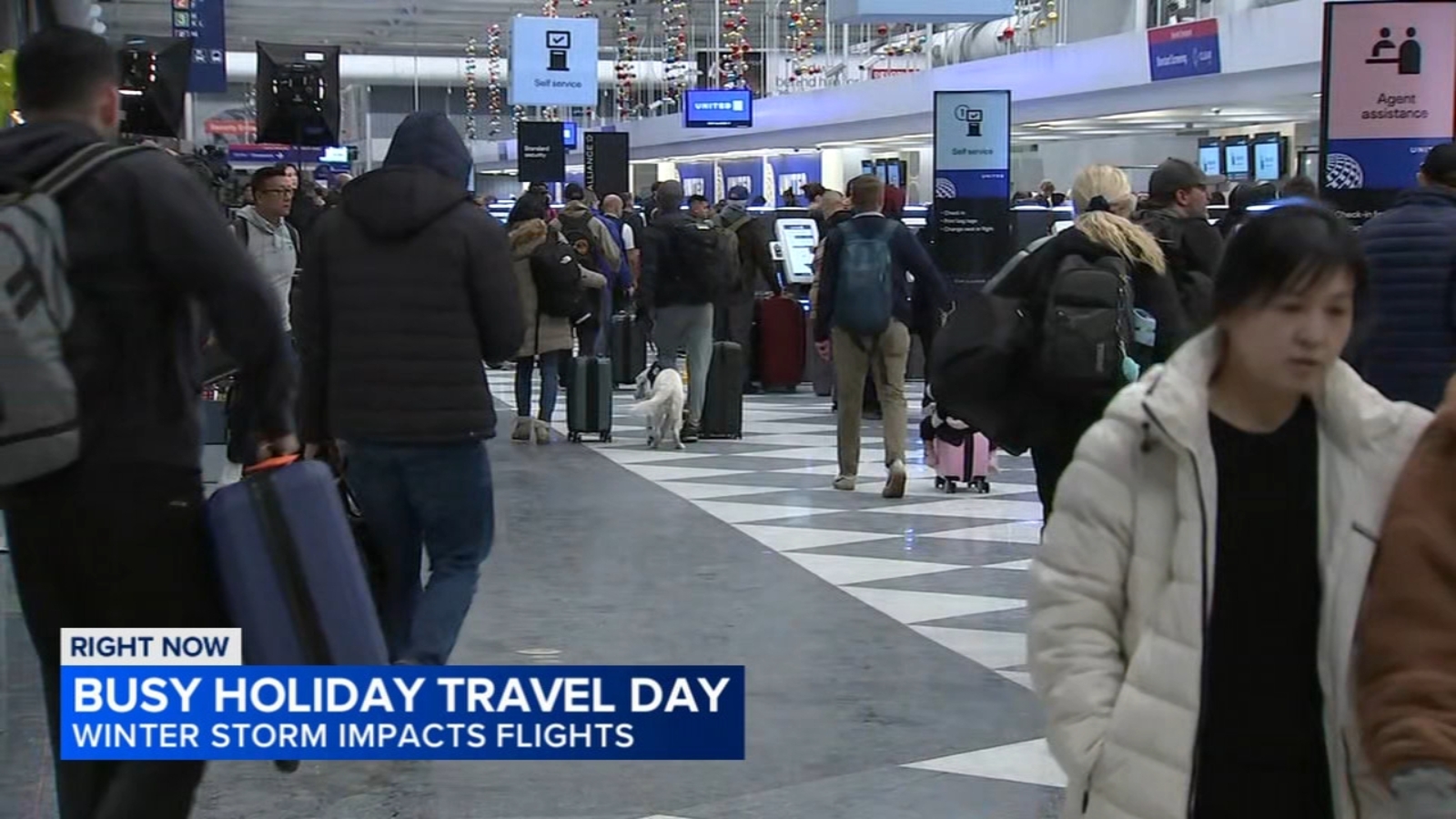
A late-November winter storm in the Great Lakes region produced up to a foot-plus of snow in places (12 inches near Lake Michigan; 15 inches reported in Fort Dodge, Iowa) and forced widespread travel and utility disruptions: more than 250 cancellations and over 900 delays at Chicago O'Hare by early afternoon, a Delta Connection flight slid off an icy runway in Des Moines (no injuries), and We Energies reported over 6,000 power outages in Wisconsin. The storm is tapering in the Great Lakes but another system is forecast to bring up to a foot of snow to the Mid-Atlantic and Northeast by Tuesday, creating near-term operational and regional demand shocks for airlines, airports and local utilities while posing limited broader market impact.
Market structure: Short, sharp weather shocks create clear winners (short‑dated energy — natural gas futures/spot; ground logistics that can flex capacity like UPS (UPS) and FedEx (FDX) for regional re‑routing) and losers (airlines with heavy O'Hare/Great Lakes exposure — UAL, DAL, AAL — facing rebooking/compensation costs). Price discovery is transient: airlines lose near‑term pricing power as DOT/customer refunds and staffing constraints force capacity cuts, while hourly electricity and gas prices spike regionally. Cross‑asset: expect +IV on airline equity options (30–60% lift near term), upward pressure on front‑month NG (order of magnitude +5–20% depending on persistence), and slight widening of short‑dated corporate spreads for travel credits.
Risk assessment: Tail risks include multi‑day grid failures or cascading crew/slot constraints that extend cancellations beyond a week, regulatory fines/compensation rulings (DOT enforcement) and larger insurance claims for property damage; probability low but P&L impact high for exposed airlines/utilities. Immediate horizon (0–7 days): cancellations, IV spikes, NG volatility; short term (1–3 months): revenue catch‑up and potential fare repricing; long term (3–24 months): repeated severe weather can drive capex for utilities/airports and raise insurance costs. Hidden dependencies: crew/time‑zone rosters and interline connectivity can propagate disruptions nationally; a second storm into the Northeast is a catalytic risk.
Trade implications: Tactical trades favor weather/energy longs and event‑protected shorts on airlines. Near term (enter within 48–72h): buy front‑month NYMEX natural gas call spread (size 1–2% portfolio) for 2–6 week horizon to capture heating demand; buy 2–4 week put spreads on UAL/DAL (sell lower strike to fund) sized 0.5–1% each to exploit IV and short‑lived operational risk. Rotate out of holiday travel longs and consider buying protective put calendars into next 30 days on LUV/AAL if exposure >2% of book. Over 3–12 months, accumulate 0.5–1% positions in grid/capex beneficiaries (Eaton ETN, Honeywell HON) for resilience to increased utility spend.
Contrarian angles: Consensus treats this as ephemeral; markets may underprice follow‑on effects — multi‑week crew recovery can knock airline revenue by >2–3% in Q4 for heavily affected carriers, creating a sharper drawdown than arrested by rebooking. The overreaction risk: buying deep near‑dated airline puts could be wasted if weather normalizes quickly and IV collapses — prefer defined‑risk spreads. Historical parallels (2013 winter storms, 2018 Nor'easters) show energy spikes then mean reversion; therefore scale NG exposure and use spreads rather than outright futures. Unintended consequence: aggressive utility capex expectations could lift equipment suppliers while penalizing regulated return profiles; target suppliers, not utilities, for long‑term exposure.
AI-powered research, real-time alerts, and portfolio analytics for institutional investors.
Request DemoOverall Sentiment
moderately negative
Sentiment Score
-0.35
