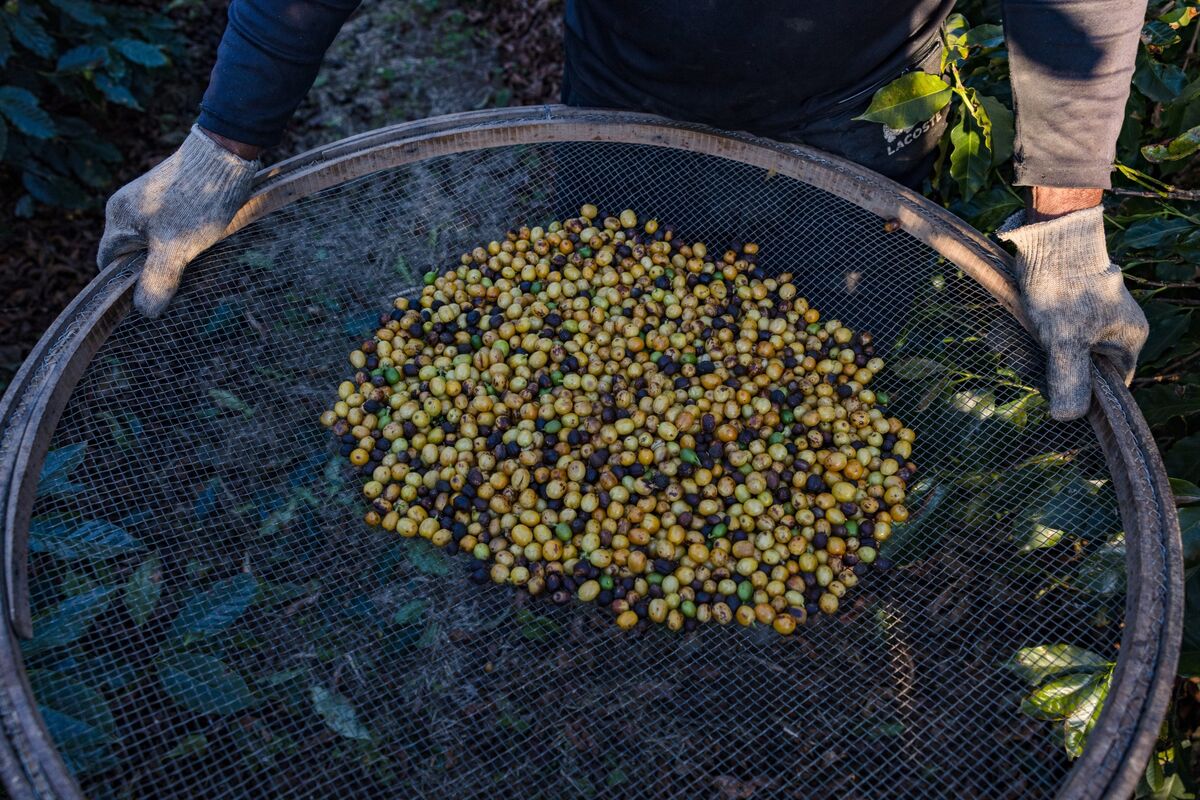
Arabica coffee futures surged to a two-month high in New York amid escalating concerns that adverse cold weather and light frost in top producer Brazil will significantly curtail both the current coffee crop and potentially limit the 2026 harvest. This outlook points to tightening global supply, driving the price increase.
Arabica coffee futures have surged to a two-month high as adverse weather in Brazil, the world's largest producer, stokes significant supply-side fears. The price increase is a direct reaction to reports of cold weather and light frost, which are anticipated to curtail the current year's crop yield below expectations. Adding to the bullish sentiment, an analyst from McDougall Global View highlighted a longer-term threat, noting that the cold spells are inducing "early stress flowering," which could potentially limit the 2026 crop as well. This dual concern for both near-term and future supply from a critical growing region is fueling speculative activity and tightening the market's supply outlook, underpinning the current price rally.
AI-powered research, real-time alerts, and portfolio analytics for institutional investors.
Request DemoOverall Sentiment
strongly positive
Sentiment Score
0.70
