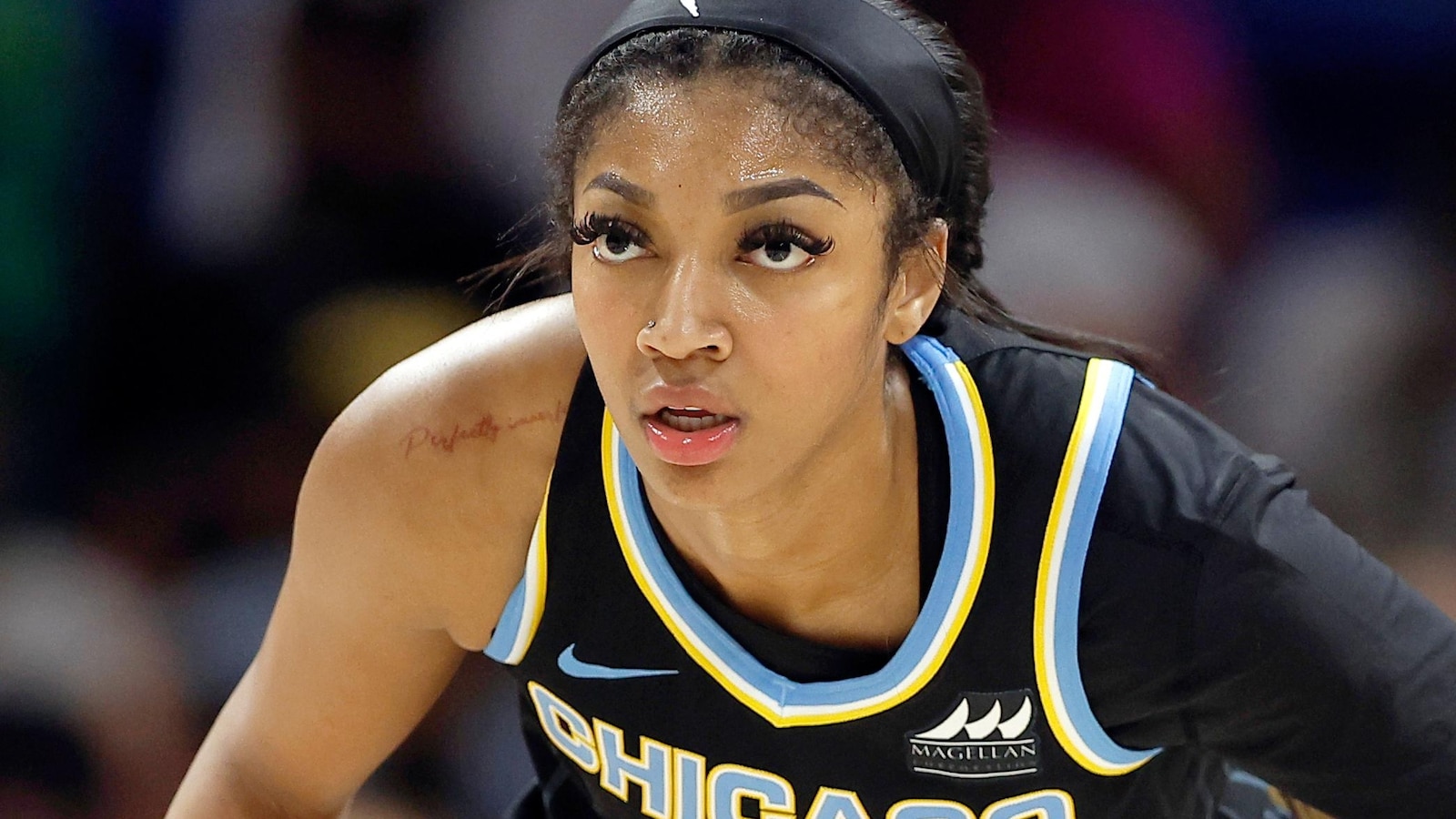
Atlanta acquired 2-time WNBA All-Star Angel Reese from Chicago in exchange for 2027 and 2028 first-round draft picks and the right to swap 2028 second-round picks. Reese, 23, averaged 14.1 points and 12.9 rebounds across two seasons (14.7 PPG and a league-leading 12.6 RPG last season) and joins an Atlanta roster that set a franchise record with 30 wins, a move intended to immediately upgrade the Dream’s competitiveness.
Acquiring a high-profile women’s-basketball talent mid-cycle materially changes franchise economics beyond on-court wins: it compresses marketing activation timelines, concentrates media narratives locally, and creates a near-term window to monetize higher ticket prices and premium sponsorships. Expect the most immediate revenue lift to show up in local ticket-demand elasticity and hospitality packages over the next 3–12 months, with merchandising and apparel lift following on a 6–18 month cadence as player-driven SKUs are designed and distributed.
At the league level, talent concentration accelerates two second-order processes: it raises the bargaining leverage for national rights holders seeking bundled marquee matchups, and it increases the optionality of franchises as acquisition targets for private capital — both move measured revenue multiple assumptions upward over a 1–3 year horizon. Conversely, teams ceding high-end players receive long-dated draft-assets that reduce near-term competitiveness but create optionality to accelerate rebuilds or to package in trades; that asset-liability swap alters competitive balance and could compress parity-driven viewership growth if multiple clubs emulate this strategy.
Key risks: injury or chemistry failure can erase the commercial premium within a single season, and sponsor activation has meaningful execution risk — inventory, creative, and measurement all need 2–3 quarters to materialize. Near-term catalysts to monitor are local TV ratings, apparel sell-through reports, and any league-level media-rights commentary; a reversal in any of these within 6–12 months would materially reduce upside for consumer and media plays tied to women’s-basketball momentum.
AI-powered research, real-time alerts, and portfolio analytics for institutional investors.
Request DemoOverall Sentiment
mildly positive
Sentiment Score
0.25
