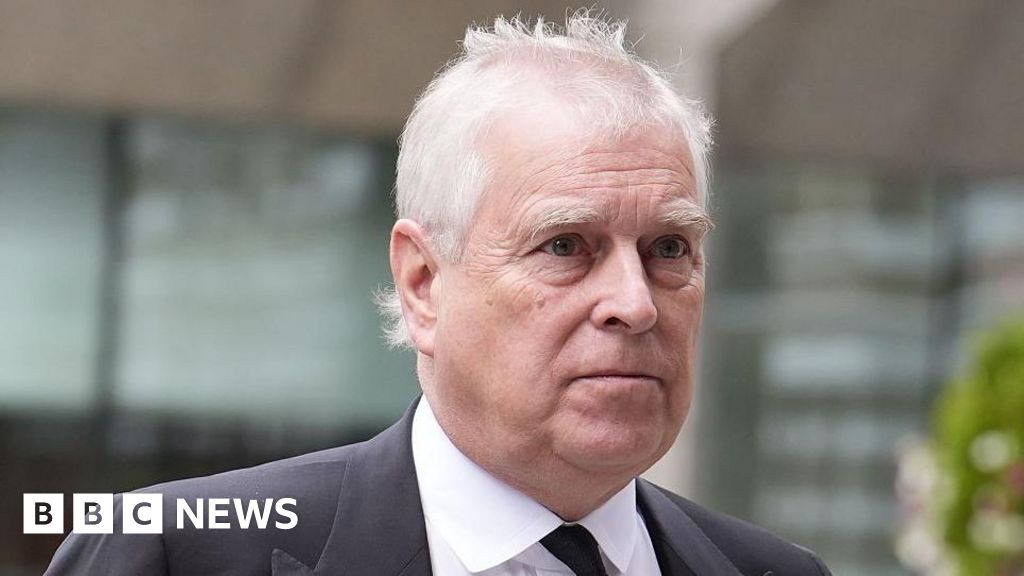
Emails released by the US government show that Andrew Mountbatten-Windsor, a former UK trade envoy (2001–2011), allegedly shared official trip details (Singapore, Vietnam, Shenzhen, Hong Kong) and confidential investment briefings — including reconstruction opportunities in Afghanistan — with Jeffrey Epstein after Epstein's 2008 conviction. Thames Valley Police is assessing a complaint by campaign group Republic, and guidance on trade envoys and the Official Secrets Acts underscore a continuing duty of confidentiality, creating reputational and potential legal exposure though the story is unlikely to be market-moving for listed issuers.
Market structure: Direct winners are governance/compliance/security vendors and large, politically-insulated UK exporters; losers are prestige-linked deal intermediaries, smaller UK trade-dependent mid/small caps and private-market sponsors that relied on official introductions. Expect headline-driven underperformance concentrated in FTSE 250 / AIM-like names of ~1–3% in the first 5–10 trading days, modest GBP weakness of ~0.5–1.0% and gilts rallying 2–10bp as a safe-haven knee-jerk.
Risk assessment: Tail risks are low-probability but high-impact — a formal criminal probe or ministerial resignations (5–15% probability in next 30 days) could widen UK equity risk premia by 50–150bp and cause an additional 3–6% equity drawdown. Immediate effects (days) are headline/volatility spikes; short-term (weeks–months) are regulatory and reputational costs raising transaction due-diligence margins by ~50–150bp; long-term (quarters+) could marginally reduce UK-directed private capital flows by ~5–10% if confidentiality rules tighten.
Trade implications: Favor large-cap, government-exposed defensives and defence contractors (as safe revenue buckets) and hedge or underweight UK mid/small caps and privately sourced deal platforms. Use defined-risk option structures to monetize short-lived headline risk (3-month windows); target position sizes small (1–3% NAV) because systemic impact is limited but event uncertainty is concentrated and binary.
Contrarian angle: Consensus will likely over-penalize UK exposure; historical royal/government scandals produce short-lived dislocations (mean reversion within 1–3 weeks). If no formal escalation within 30–60 days, expect a snapback of 1–3% in beaten-down UK names as crowded shorts unwind — so prefer asymmetric, defined-loss shorts and OTM puts rather than naked large short positions.
AI-powered research, real-time alerts, and portfolio analytics for institutional investors.
Request DemoOverall Sentiment
mildly negative
Sentiment Score
-0.30
