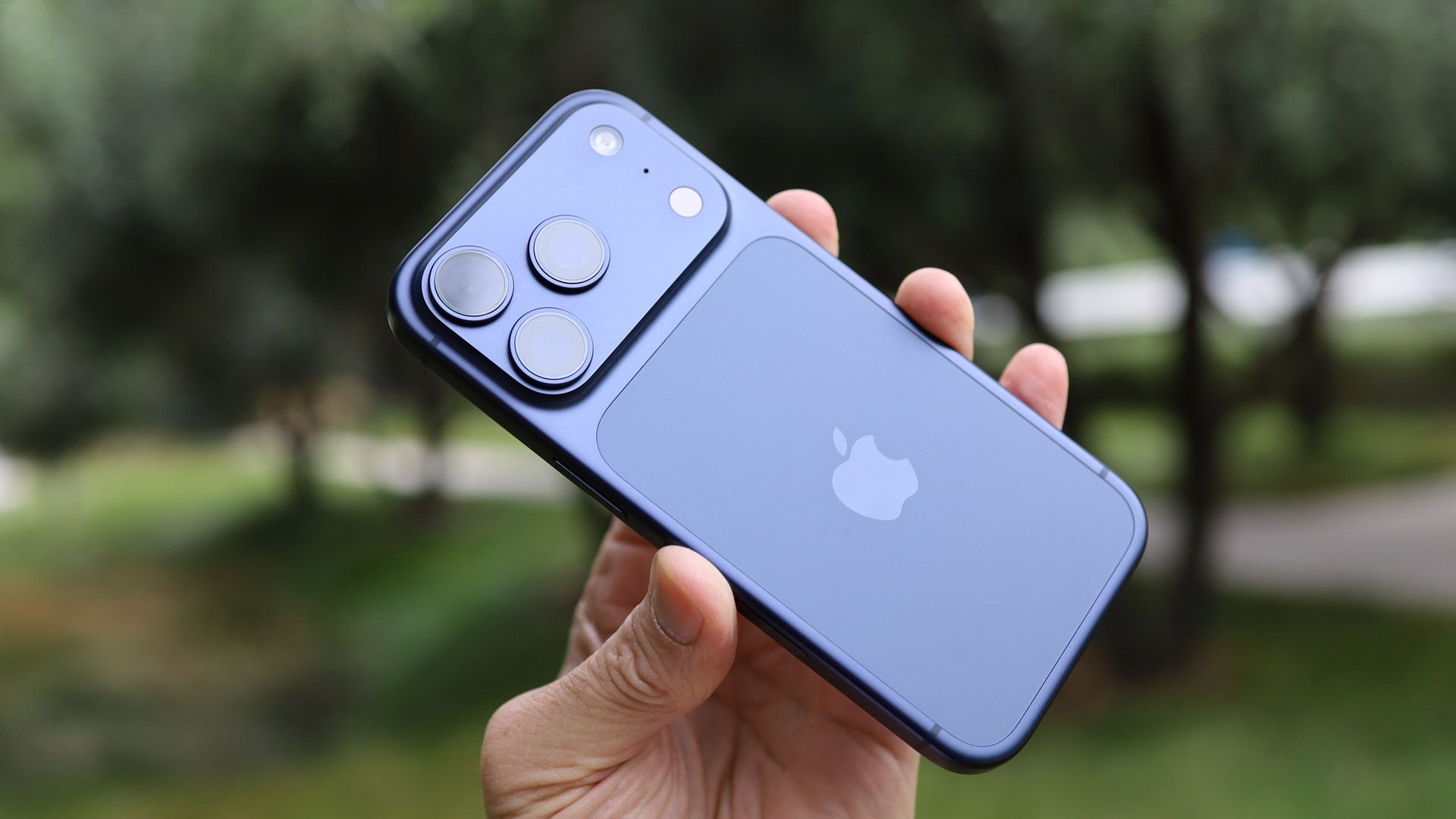
T-Mobile is promoting a SuperMobile Business offer that provides 10 lines at $15/month per device (total $150/month) plus taxes and a $35 per-device connection fee and up to $1,100 off an iPhone 17 Pro via trade-in when businesses switch. The iPhone 17 Pro is highlighted with specs aimed at enterprise users — 6.3-inch OLED, A19 Pro chip, 12GB RAM, 25–30 hour battery life, an 18MP selfie camera and three 48MP rear cameras — and Apple Intelligence features for productivity. The package is positioned to accelerate device adoption among corporate customers and could modestly benefit T-Mobile’s business subscriber growth and Apple device sales, though the announcement is promotional rather than a material corporate or financial disclosure.
Market structure: This promotion amplifies two clear winners — AAPL (device + enterprise services) and aggressive carrier acquirers like TMUS — while legacy carriers (VZ, T) and high-end Android OEMs could face share pressure. Carrier subsidies compress near-term ARPU/margin for wireless operators; expect a 2–6 month promotional cycle that shifts gross adds rather than permanently expanding addressable market. Supplier impact is positive but concentrated: TSMC/AVGO exposure to higher-volume A19 Pro production is a multi-quarter tailwind if sell-through stays strong.
Risk assessment: Tail risks include regulatory action on app/store/enterprise bundling or carrier anti-competitive practices, and supply-chain hiccups at TSMC that could delay shipments; assign each a ~5–15% probability over 12 months with high impact. Immediate (days) price moves are likely muted; short-term (weeks–months) catalysts are Apple earnings and carrier subscriber prints; long-term (quarters–years) effects depend on services ARPU lift and enterprise fleet replacement cycles. Hidden dependency: the promotion relies on trade-in economics and churn; if trade-in volumes are higher-than-expected, resale values fall and carrier economics worsen.
Trade implications: Directly favor AAPL equity and selective supplier exposure; implement calibrated options to express upside while limiting downside. Relative value: long TMUS vs short VZ/T to capture SMB switching and promotional elasticity over 3–9 months. Sector tilt: overweight Technology hardware/suppliers and underweight legacy telecom capex-exposed names.
Contrarian angles: Consensus understates lifetime-value upside from enterprise iPhone fleets — a 1–2% reduction in churn could lift Apple services revenue by 200–400 bps over two years. The market may be underpricing the risk that sustained subsidies trigger regulatory scrutiny or a margin squeeze at carriers; these second-order effects can create 10–20% asymmetric moves in telecom equities, so size positions accordingly.
AI-powered research, real-time alerts, and portfolio analytics for institutional investors.
Request DemoOverall Sentiment
moderately positive
Sentiment Score
0.45
Ticker Sentiment
