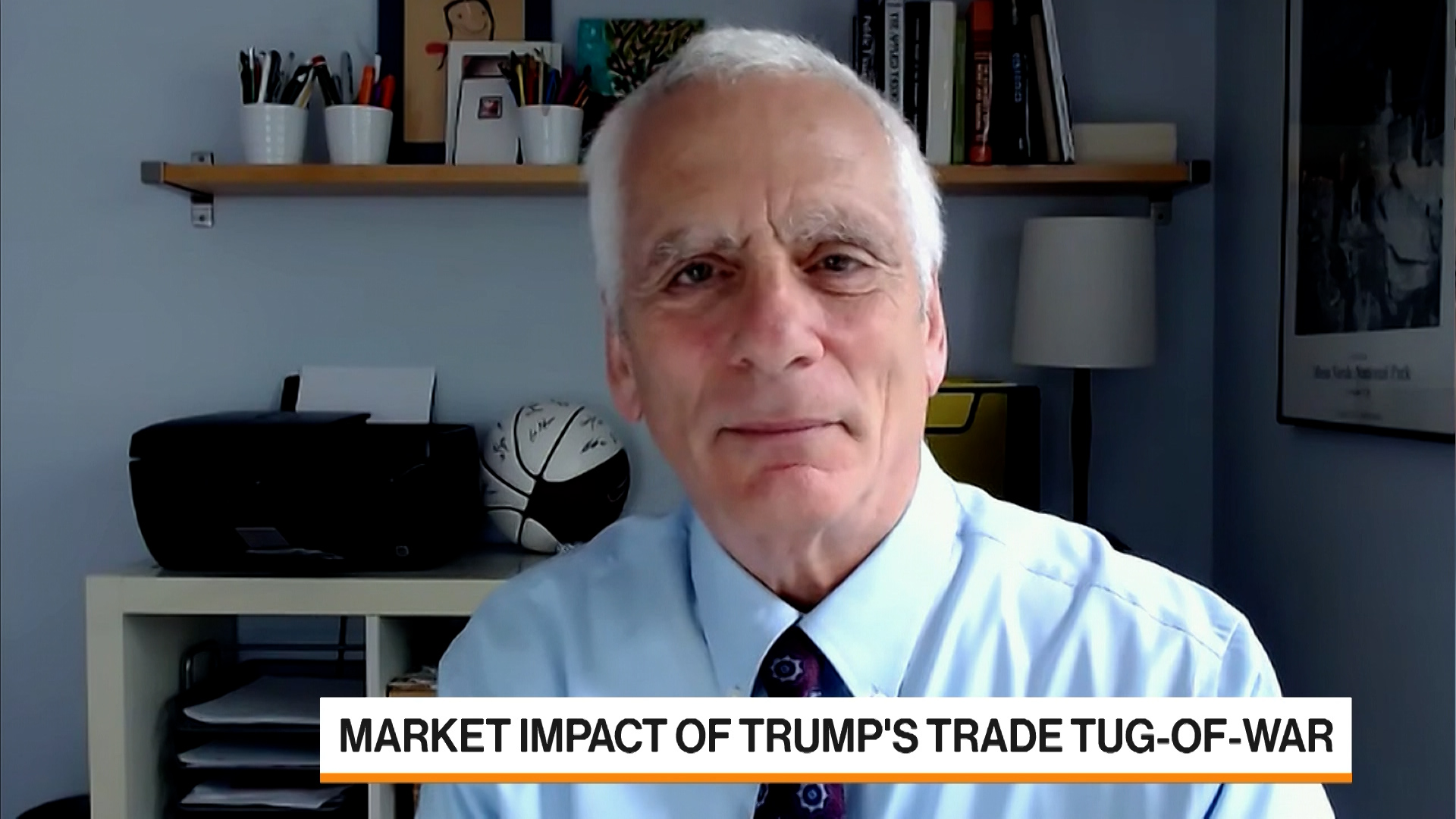
Recent Bloomberg Market updates indicate a multifaceted policy landscape. Fiscal stability remains a concern as Congress may need a stop-gap measure to avert a fall shutdown. In trade, new tariff rates have been announced with a sliding deadline for talks, while a potential tariff on Brazil is estimated to reduce economic activity by 20-30 basis points over 12 months. Separately, new legislation is being considered that could expand benefits for gig workers.
The current market landscape is shaped by significant policy uncertainty across fiscal, trade, and regulatory domains. A key near-term risk is fiscal instability, underscored by remarks from Fleischmann suggesting Congress may require another stop-gap measure to prevent a government shutdown this fall, introducing potential market volatility. On the trade front, persistent uncertainty is highlighted by the announcement of new tariff rates alongside a sliding deadline for negotiations. This is coupled with a specific quantitative risk: a potential tariff on Brazil is projected to reduce economic activity by a notable 20-30 basis points over the next 12 months. Separately, the prospect of new legislation to expand benefits for gig economy workers signals a regulatory overhang for that sector, which could materially impact labor costs and business models. These concurrent developments justify the moderately negative sentiment, as they point to potential economic drags and heightened unpredictability.
AI-powered research, real-time alerts, and portfolio analytics for institutional investors.
Request DemoOverall Sentiment
moderately negative
Sentiment Score
-0.50
