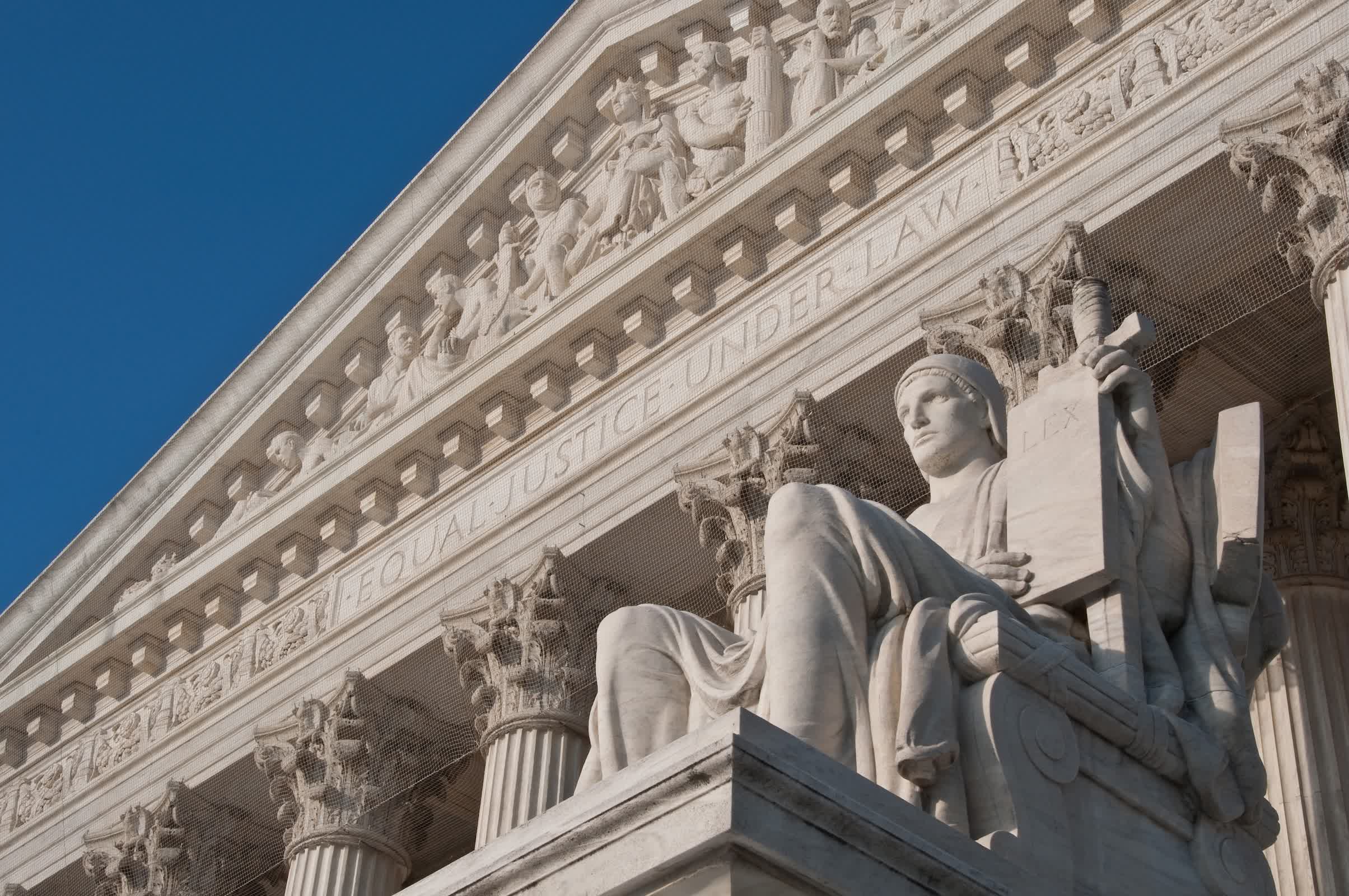
Key event: The US Supreme Court unanimously ruled that ISPs are not contributorily liable for user copyright infringement absent intent to induce infringement or a service 'tailored to infringement,' overturning the theory underlying a prior finding against Cox Communications (a $1B jury award had been central to the dispute and billions in potential damages were at stake). Implication: the decision reduces legal tail risk for broadband and backbone providers and limits incentives to adopt aggressive 'repeat infringer' termination programs, while preserving avenues for future suits focused on inducement, design, or aiding-and-abetting theories. Market takeaway: broadband/network operators likely see lower regulatory/legal downside risk, but the ruling will spawn new litigation over what qualifies as 'substantial noninfringing uses' and 'tailored to infringement,' keeping litigation uncertainty alive for media and rights-holder companies.
The decision reduces a structural tail risk for broad-access network operators and shifts the economics of copyright enforcement away from upstream chokepoints and toward application-layer remedies. For a top-10 ISP, removing even a single high-profile damages overhang (order-of-magnitude: high hundreds of millions) compresses downside volatility and could de-risk credit spreads and capex deferment decisions over the next 3–12 months; expect equity beta to fall modestly and implied volatility to retrace in the same window.
Content owners now face a choice: invest in more accurate, scalable content-identification and monetization tools or double down on targeted litigation and lobbying. That reallocation favors vendors of watermarking/fingerprint tech, rights-management SaaS, and content-matching platforms — areas where modest revenue share gains (5–15% incremental ARR over 12–24 months) are plausible as labels pay for deterministic enforcement rather than expensive broad suits.
Key catalysts that could reverse the market’s reaction are legislative changes to the DMCA or state-level enforcement statutes, meaningful factual wins on “tailored to infringement” theories at district courts, or a coordinated industry settlement that restores punitive exposure for large ISPs. Monitor congressional bill introductions and three things in company filings over the next 6–18 months: (1) legal reserve movements, (2) new commercial deals between labels and CDN/ID vendors, and (3) changes in ISP subscriber-termination policies — any of which would reprice winners and losers fast.
AI-powered research, real-time alerts, and portfolio analytics for institutional investors.
Request DemoOverall Sentiment
mildly positive
Sentiment Score
0.12
Ticker Sentiment
