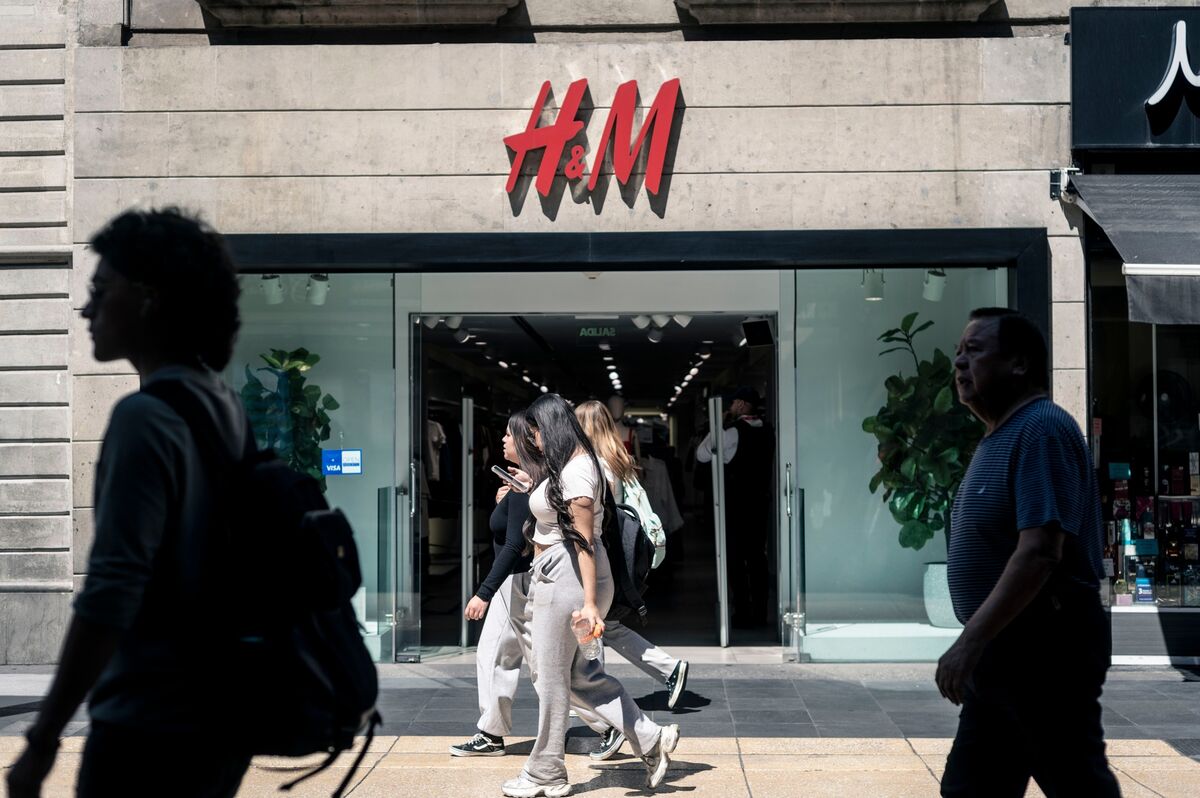
H&M reported second-quarter operating profit of 5.91 billion kronor, missing the 6.3 billion kronor analyst estimate, while sales in local currencies fell 3% versus expectations for flat growth. The company said June sales are expected to be roughly unchanged year over year, suggesting continued pressure on the turnaround. The miss and soft demand backdrop are likely to weigh on sentiment toward the stock.
The key second-order issue is that a miss like this is less about one quarter of weak demand and more about the fragility of the whole turnaround stack: if traffic is soft, the retailer loses operating leverage, but it also loses pricing power just as promotions rise across the sector. That creates a negative feedback loop where peers can defend share by discounting, forcing H&M to either protect margin and lose volume or chase volume and further erode profitability. The competitive winners are likely the operators with stronger brand heat, better inventory discipline, and faster localization, because they can hold price longer while H&M is pushed toward markdown-led sell-through. The supply-chain implication is that vendors and logistics partners may see order volatility rather than clean growth, which typically benefits the largest buyers and squeezes smaller upstream suppliers first; that can show up with a lag over the next 1-2 quarters as replenishment orders get trimmed. The catalyst path is asymmetric: near term, any follow-on guidance cut would likely trigger another de-rating within days, while a genuine rebound needs several months of improving traffic and full-price sell-through, not just easier comps. The base case remains that June flat implies no meaningful acceleration into summer, so the market will likely treat this as evidence that the turnaround is stalling rather than merely delayed. The contrarian angle is that the bar may already be low enough for a tactical bounce if investors were positioned for even worse demand deterioration. But absent evidence of higher full-price mix or inventory cleanup, this looks more like a value trap than a mean-reversion opportunity, because weak sales in a price-sensitive category usually persist longer than consensus expects once consumers learn to wait for discounts.
AI-powered research, real-time alerts, and portfolio analytics for institutional investors.
Overall Sentiment
moderately negative
Sentiment Score
-0.45
