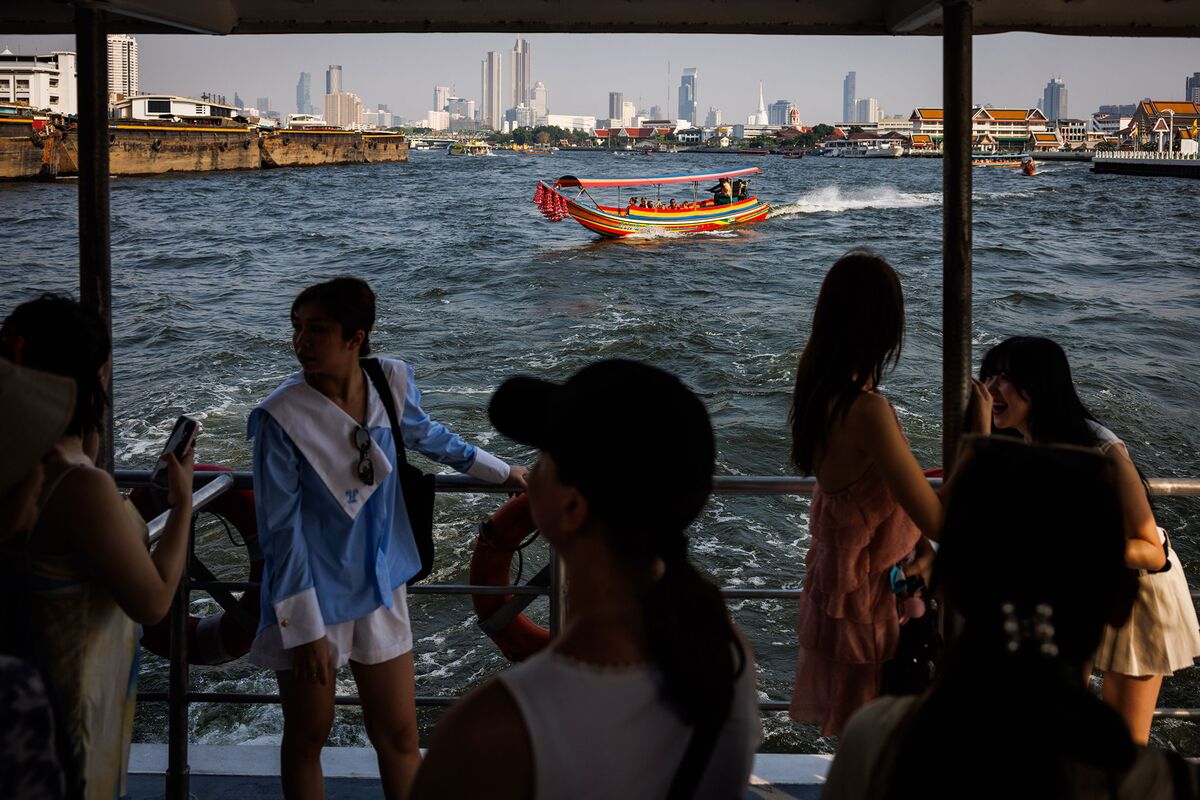
Thailand ended its 60-day visa-free entry program for travelers from 93 countries and territories, reversing a key post-pandemic tourism policy. The move is aimed at curbing crime and illegal employment, but it raises the risk of slower inbound tourism growth in an economy where the sector remains central. The policy shift is a meaningful regulatory headwind for travel and leisure activity in the country.
This is less about a near-term tourist demand shock than about Thailand signaling a higher-friction operating regime for informal labor and gray-market activity. The immediate losers are not just the obvious leisure operators; it is the entire low-cost ecosystem that relies on long-stay, budget-sensitive travelers who extend trips, work remotely, or move between short-term rentals and local transport. That mix disproportionately supports smaller hotels, guesthouses, street retail, and regional secondary destinations, while higher-end resorts and cruise-linked itineraries should prove more resilient because their demand is less visa-elastic. The second-order effect is a possible quality shift in inbound arrivals. Tightening entry can reduce volume but increase spend per visitor if the remaining mix skews toward higher-income, pre-booked travelers; that helps listed airport, premium hospitality, and selected consumer names more than mass-market operators. Over the next 1-3 months, the market likely overprices the headline decline in arrivals before seeing a more nuanced dispersion by segment, with Bangkok and Phuket benefiting less than premium resort corridors and air hubs. The risk is political/administrative drift: if enforcement broadens into longer processing times or inconsistent border application, the issue can compound into booking cancellations and softer forward guidance into the next peak season. The main reversal catalyst would be evidence that tourist receipts, not just headcount, remain intact, which could pressure the government to soften implementation within a quarter. Contrarian takeaway: this may be less bearish for Thailand’s tourism complex than for the informal economy embedded around it, but it raises volatility for earnings visibility and makes low-quality volume stories more vulnerable than asset-light, premium exposure.
AI-powered research, real-time alerts, and portfolio analytics for institutional investors.
Request DemoOverall Sentiment
moderately negative
Sentiment Score
-0.25
