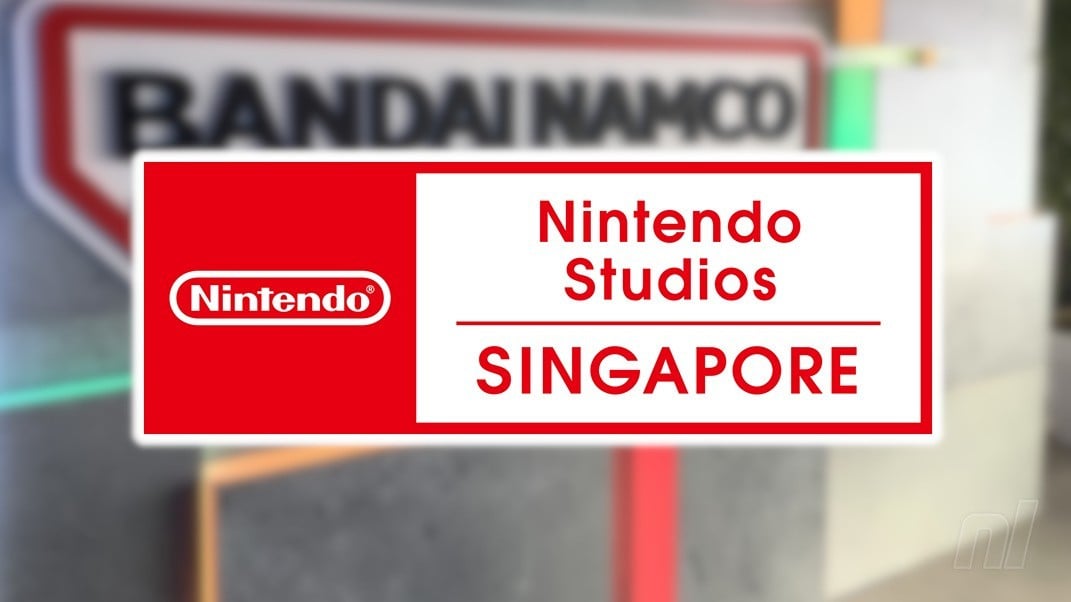
Nintendo has signed a share transfer agreement to acquire an 80% stake in Bandai Namco Studios Singapore (BNSS) effective April 1, 2026, with the remaining shares to be purchased later once operations stabilize; BNSS will be renamed Nintendo Studios Singapore. BNSS (capital stock SGD 1,000,000; founded March 1, 2013; CEO Makoto Ishii) is a specialist art-and-asset development studio that contributed to titles including Splatoon 3, and Nintendo says the deal is intended to strengthen its internal development structure and will have only a minor impact on this fiscal year’s results. The transaction expands Nintendo’s in-house development capacity following prior studio integrations and is a modest, strategic M&A move rather than a material financial shift.
Market structure: Nintendo (NTDOY / 7974.T) is a clear winner — acquiring BNSS (80% on 1 Apr 2026) lowers marginal outsourcing frictions for art/animation and increases internal capacity for higher-fidelity titles; expect modest gross-margin uplift on first-party titles over 12–36 months if release cadence or quality improves by 1–2 big-titles/year. Bandai Namco (7832.T) and third-party art outsourcers (e.g., KWS.L) are relative losers as demand for external art asset work could decline 5–15% regionally; impact is industry-narrow and gradual. Cross-asset: FX flows are negligible vs. market cap, but SG-specific talent scarcity could push regional wage inflation and supplier costs; credit markets unaffected except micro impact on Nintendo financing plans if it scales buyouts (watch any <50bp change in yield spread on 5Y JGBs if similar deals accelerate).
Risk assessment: Tail risks include talent flight post-acquisition (50% worst-case attrition in 6–12 months) and IP/contract disputes if BNSS proprietary credits are contested — each could delay pipeline by 6–18 months and erase near-term benefits. Short-term (days–weeks) market reaction should be muted; medium-term (3–12 months) depends on retention metrics and announced project credits; long-term (2–4 years) payoff tied to Nintendo’s ability to turn capacity into incremental sell-through on new hardware or marquee titles. Hidden dependencies: integration bandwidth (Nintendo’s prior purchases like Nintendo Pictures and Shiver show mixed operational lead times) and Bandai Namco’s reallocation of resources. Catalysts: Apr 1, 2026 closing, first credited Nintendo project within 12 months, or Bandai Namco guidance revisions.
Trade implications: Direct long bias to Nintendo: asymmetric upside via optionality on content pipeline; prefer scaling into a 2–3% net-long equity position or buying 12–24 month LEAP calls (target +20–30% upside). Defensive short/trim ideas: reduce exposure to game-art outsourcers (Keywords KWS.L) by 1–2% or short 0.5–1% notional versus Nintendo long as a pair. Options: sell covered calls post-entry to fund longer-dated calls if volatility compresses; target entry ahead of Apr 1, 2026 then add on positive integration signals.
Contrarian angle: Consensus underestimates that this is capacity-building for next-gen Nintendo hardware and production quality — not mere cost-cutting; market likely under-weights multi-year uplift (could add 3–7% to Nintendo EPS by FY2028 if it accelerates two AAA-like titles). Conversely, beware of overpay/strategic distraction — if Nintendo continues small tuck-ins (average deal <SGD 5–10m), the aggregate integration burden could be material. Historical parallel: platform owners (Sony’s internal studio buildouts) took 2–4 years to translate into sustained revenue; expect similar lags here.
AI-powered research, real-time alerts, and portfolio analytics for institutional investors.
Request DemoOverall Sentiment
mildly positive
Sentiment Score
0.30
Ticker Sentiment
