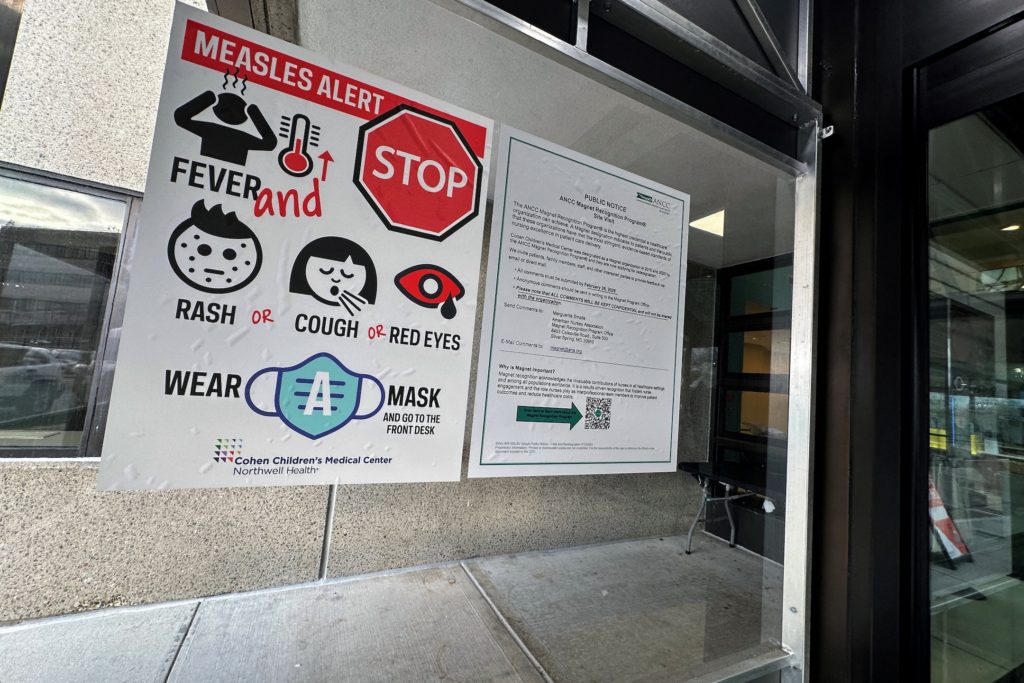
Measles cases in the U.S. have surged from 63 in 2023 to more than 280 in 2024 and roughly 2,240 in 2025, with 416 cases confirmed in the first three weeks of 2026; about 94% of recent cases were among the unvaccinated. Declining vaccination rates (accelerated during the COVID pandemic), debates over vaccine mandates, access and affordability gaps, and the U.S. withdrawal from the WHO raise risks to public-health preparedness and could erode the country’s measles elimination status, with potential downstream implications for public-health spending and vaccine demand.
Market structure: A renewed measles wave chiefly benefits large-cap vaccine manufacturers (Merck MRK historically supplies MMR), acute-care vaccination channels (CVS, WBA) and diagnostics/lab suppliers (Thermo Fisher TMO, Becton Dickinson BDX) through incremental vaccine orders, clinic throughput and testing. Losses are concentrated in local public budgets (municipal health lines) and niche pediatric providers facing higher operational costs; pricing power for vaccines is limited short-term because production scale is fixed and procurement is often government-negotiated.
Risk assessment: Tail risks include a sustained national outbreak prompting federal emergency procurement (high demand shock) or, conversely, reputational/regulatory backlash if advisory panels push “optional” messaging leading to litigation and politicized mandate changes; both have 3–18 month materiality. Hidden dependencies: supply-chain bottlenecks for antigen/drug substance and cold-chain logistics could cap upside; catalysts are CDC/state emergency declarations, federal funding allocations, and WHO data releases over the next 30–90 days.
Trade implications: Tactical trades favor selective long exposure to MRK (vaccine flows) and TMO/BDX (testing/reagents) with limited sizing (1–3% portfolio) plus hedges; use 3–9 month call spreads to control premium. Rotate modestly out of discretionary small-caps and municipal credits in affected counties (reallocate 1–3% to healthcare defensives); watch spikes in implied vol for short-dated options as hedging demand can lift premiums.
Contrarian angles: Consensus focuses on hesitancy, underweighting access/affordability drivers — uninsured-driven gaps imply durable public-sector procurement when outbreaks spike; supply constraints make upside concentrated and lumpy, not a steady revenue stream. The market may underprice the probability that a loss of elimination status triggers multi-state vaccination programs over 6–18 months, creating episodic revenue windows rather than permanent demand.
AI-powered research, real-time alerts, and portfolio analytics for institutional investors.
Request DemoOverall Sentiment
moderately negative
Sentiment Score
-0.30
