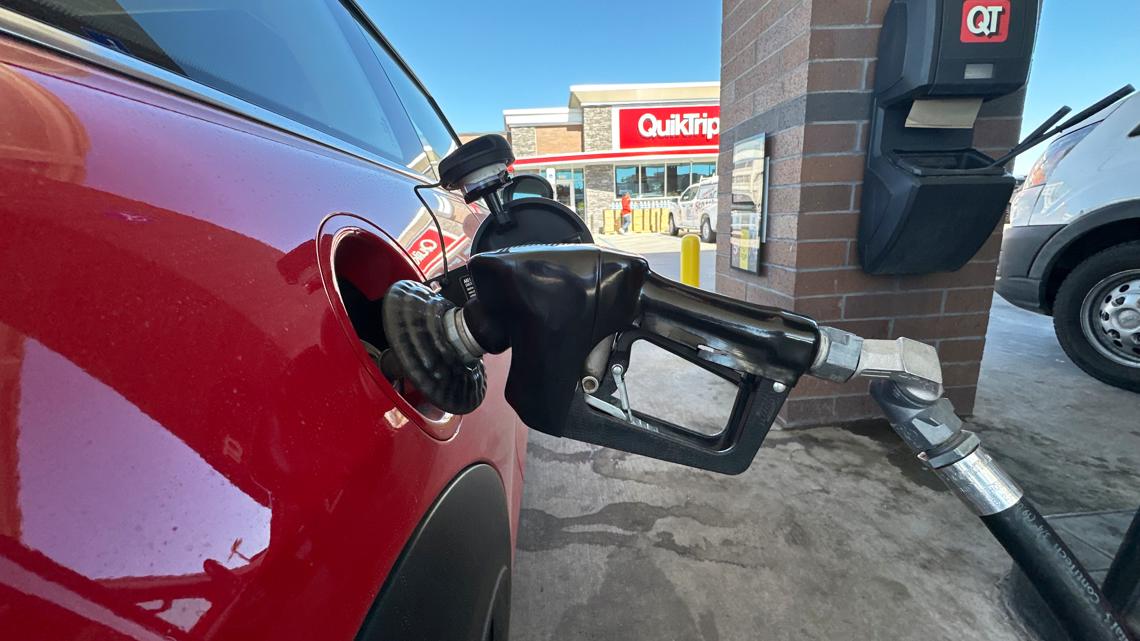
Brent crude has surged from roughly $70 to as high as $119 per barrel and topped $100, while the U.S. national average gasoline price has climbed above $4/gal. Heating oil in Maine averages $5.40/gal (≈+41% since the war began) and fertilizer costs jumped ~25% to about $10,000 per truckload, feeding through to higher grocery and transport costs. The energy-driven shock is producing sharp S&P 500 intraday swings and complicating Federal Reserve interest-rate decisions, increasing downside risk to growth via higher inflation and a risk-off market dynamic.
The immediate macro transmission is a chisel, not a sledgehammer: energy-driven input-cost shocks are compressing margins across low-ticket, high-frequency labor platforms and food supply chains in days-to-weeks while planting and fertilizer decisions reverberate across crop cycles measured in quarters. That timing mismatch creates a short-term consumer squeeze (demand elasticity visible in discretionary spend and rideshare utilization) layered on top of a medium-term supply shock to agricultural output if fertilizer remains constrained through the next planting season.
Policy reaction risk is the dominant catalyst window: tactical releases from strategic petroleum reserves, insurer/reinsurer repricing, or a diplomatic de-escalation can shave real energy premia in 30–90 days; conversely, blockade or escalation that meaningfully raises shipping insurance/ detour costs can entrench higher commodity baselines for 6–18 months. For the Fed, this produces a policy whipsaw—near-term inflation prints spike, pushing short-rate volatility and flattening yield curves, but a demand contraction or energy disinflation in 2–4 quarters would reverse that trade.
Financially, the asymmetric winners are businesses that capture pricing power or sit upstream of the disrupted chokepoints (energy producers, fertilizer manufacturers, selective insurers), while gig platforms and energy-intensive transport/retail face a two-way squeeze: higher input costs with limited ability to pass through. Volatility itself is a tradeable asset—options on energy and consumer discretionary should be treated as directional and calendar-sensitive, not buy-and-hold exposures.
AI-powered research, real-time alerts, and portfolio analytics for institutional investors.
Request DemoOverall Sentiment
strongly negative
Sentiment Score
-0.60
Ticker Sentiment
