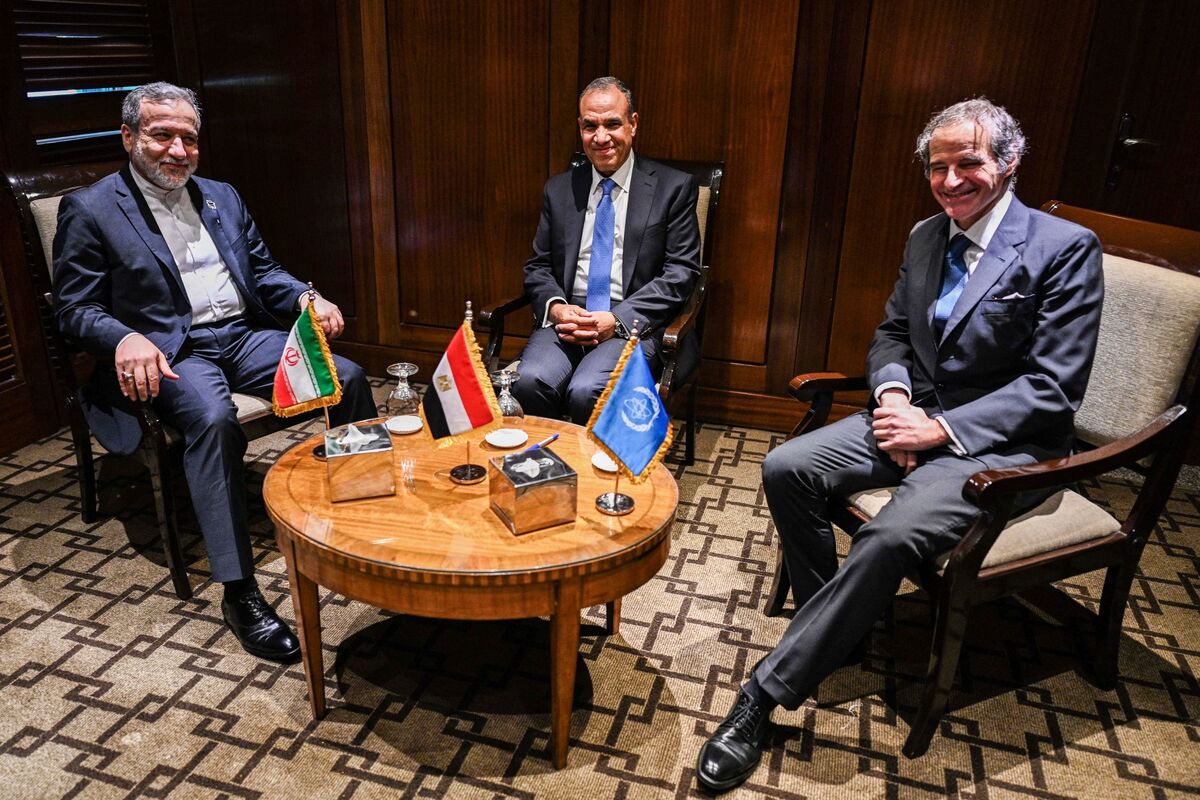
The head of the International Atomic Energy Agency (IAEA), Rafael Grossi, will meet Iran's Foreign Minister Abbas Araghchi in Cairo on Tuesday to discuss a new framework for Iran-IAEA cooperation. This marks their first encounter since the June bombings of Iranian atomic sites by Israel and the U.S., signaling ongoing diplomatic efforts amidst heightened regional tensions and holding potential implications for nuclear oversight and broader geopolitical stability.
The scheduled meeting in Cairo between IAEA Director General Rafael Grossi and Iranian Foreign Minister Abbas Araghchi marks a critical diplomatic crossroad. As the first encounter since the reported bombing of Iran's nuclear sites in June, the discussion to establish a "new framework for Iran–IAEA cooperation" carries significant weight. This engagement signals an attempt to restore nuclear oversight and diplomatic dialogue following a major military escalation. The involvement of Egypt's president, who is also set to meet the Iranian minister, suggests a broader regional effort to de-escalate tensions. The situation is viewed by markets as having a high potential impact (score of 0.65), reflecting the binary nature of the outcome; a breakthrough could temper geopolitical risk, whereas a failure could exacerbate it, with direct consequences for global energy markets and regional stability.
AI-powered research, real-time alerts, and portfolio analytics for institutional investors.
Request DemoOverall Sentiment
mixed
Sentiment Score
0.10
