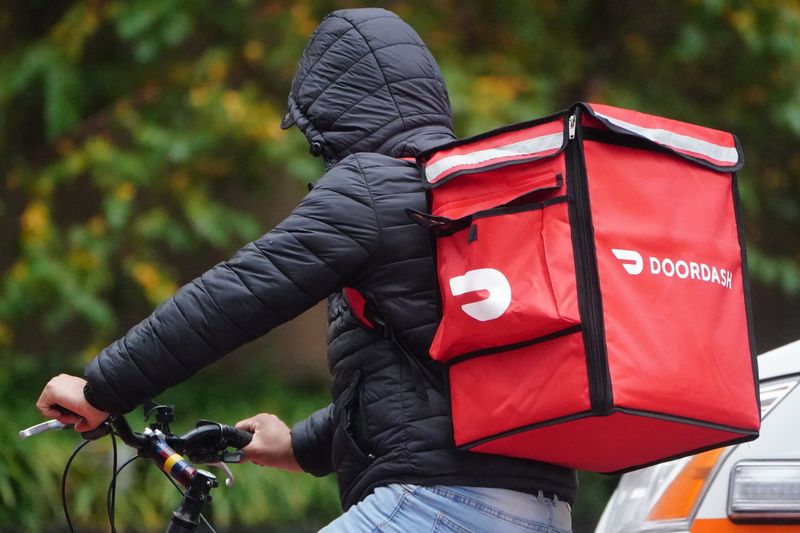
Director Stanley Tang sold 23,125 DoorDash (DASH) Class A shares on Apr 2, 2026 at $150 for $3,468,750 under a pre-arranged 10b5-1 plan; Tang also converted 21,433 Class B into Class A and the ST Trust disposed of 21,433 shares. DASH trades at $155.03 (down ~45% over six months) with a $67.97B market cap. Analysts remain broadly constructive but mixed: Wolfe Research cut its price target to $195 from $265, while Citizens reiterated Market Outperform at $250 and BofA stuck with a $272 target; company actions include a partnership to deliver from ~1,300 Foot Locker/Champs locations and continued AI and gas-relief initiatives.
DoorDash’s mix-shift toward retail fulfillment (e.g., national partnerships) is an underappreciated lever: non-restaurant orders typically have higher average order values, longer delivery radii and are more batchable, which can lift contribution per courier and compress per-order fulfillment costs by 100–200bps over 6–12 months if rollout accelerates. That structural change also broadens addressable revenue beyond food and makes unit economics less correlated with the peak/off-peak restaurant cadence, improving predictability of courier utilization and inventory planning for local stores.
The short-term margin squeeze from driver-related subsidies is real but fungible: management can respond three ways — raise take-rates, expand targeted surge to high-cost corridors, or accelerate AI-driven route/density improvements to restore margins. The AI lever is highest optionality: a 1–2% improvement in delivery efficiency, achieved via better batching and ETA accuracy, scales directly to EBITDA because SG&A and platform costs are largely fixed at scale.
Key risks and catalysts cluster around energy price volatility, driver supply elasticity, and measurable AI rollout metrics. A sharp gasoline spike or meaningful deterioration in driver retention can force persistent subsidy programs, converting a transitory expense into a structural margin headwind over quarters. Watch the next two quarterly reports for: (1) courier active counts and churn by geography, (2) batch rate and orders per courier, (3) retail GMV mix — these three datapoints will decide whether the company re-levers AI optionality or sinks cash into sustaining incentives.
AI-powered research, real-time alerts, and portfolio analytics for institutional investors.
Request DemoOverall Sentiment
mixed
Sentiment Score
0.00
Ticker Sentiment
