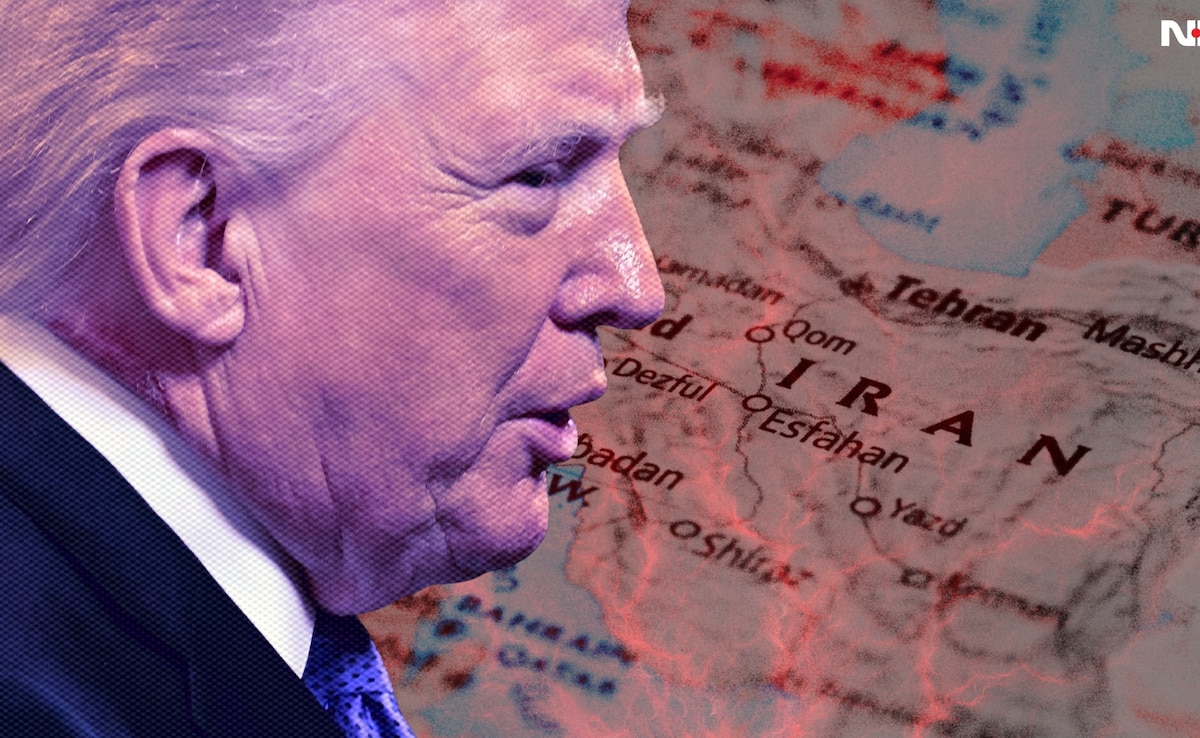
Trump is reportedly considering renewed strikes on Iranian targets, including infrastructure attacks, a possible seizure of part of the Strait of Hormuz, and a special forces operation to secure enriched uranium. The report raises the risk of escalation in a region that carries about 20% of global oil and LNG shipments, with immediate implications for energy prices, shipping routes, and broader risk assets. The article suggests the military options are intended to pressure Tehran back to negotiations, but they also heighten the chance of a wider conflict.
The market is underpricing the option value of a renewed, concentrated escalation because the mechanism is asymmetric: even a limited strike campaign can reprice shipping insurance, freight rates, and inventory behavior long before any physical damage to energy assets becomes visible. The first-order move is in crude, but the second-order move is in volatility across every asset with Gulf exposure—tankers, LNG, petrochemicals, airlines, European industrials, and EM credit—all of which can gap on headline risk even if flows are not immediately impaired. The most fragile part of the system is the Strait of Hormuz chokepoint. A temporary disruption does not need to persist for weeks to matter; a 48-72 hour interruption is enough to force precautionary buying, widen tanker time-charter rates, and trigger strategic stockpiling by refiners in Asia, which can keep prompt barrels bid for several weeks. The bigger risk is that any attempt to "secure" the lane converts a contained air campaign into a ground/logistics commitment, raising the odds of a messy, protracted premium in oil rather than a one-day spike. Consensus likely misses that the lever may not be volume destruction but risk premium persistence. If Tehran retaliates indirectly—via proxies, cyber, or maritime harassment—the market can remain in a higher-volatility regime even after an apparent ceasefire, which is particularly bearish for airlines, chemicals, and European cyclicals that depend on stable input costs. Conversely, if the U.S. stops at symbolic strikes and avoids shipping interference, the move could be overdone in crude within 3-5 trading sessions, especially if physical outages never materialize. The cleanest expression is long volatility rather than outright directional oil beta. Into the briefing and any weekend headline risk, short-dated options should outperform spot exposure because the distribution is fat-tailed and path-dependent: a narrow de-escalation crushes implieds, while even modest escalation reprices the entire Gulf risk stack.
AI-powered research, real-time alerts, and portfolio analytics for institutional investors.
Request DemoOverall Sentiment
strongly negative
Sentiment Score
-0.80
