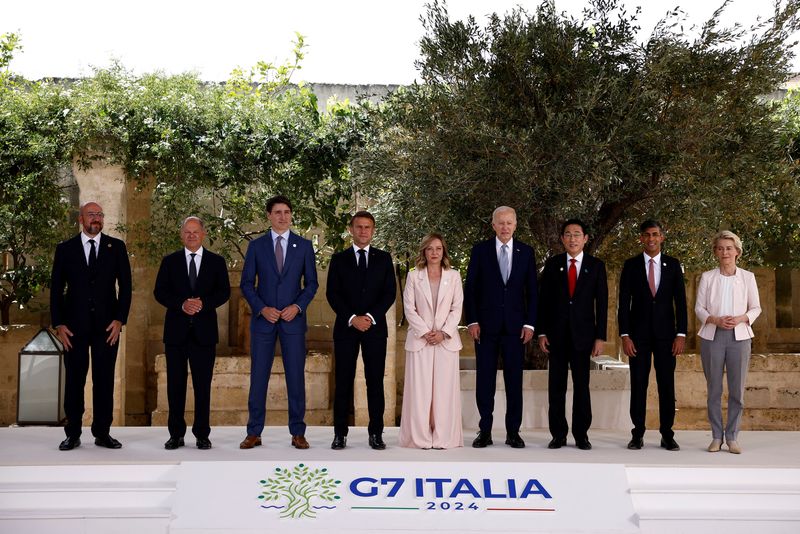
20% of global oil and LNG transits the Strait of Hormuz; G7 foreign ministers pledged readiness to take 'necessary measures' to stabilize energy markets and safeguard maritime routes, sharply condemning attacks blamed on Iran and its proxies. The communique signals potential increases in naval protection and coordinated security measures to insulate supply chains, which could reduce short-term price spikes but highlights elevated geopolitical risk to Middle Eastern exports.
The immediate market implication is not simply higher oil price, it’s a structural re-pricing of “transit risk” that compresses liquidity in the physical crude market and raises marginal logistics costs. That premium flows unevenly: integrated majors with downstream exposure can arbitrage regional dislocations and monetize higher refining margins, while pure-play tanker owners and short-cycle shippers face volatile utilization and insurance-driven cost spikes.
Second-order winners include large downstream processors and refiners that control storage and blending capacity — they can capture widened crude-to-product spreads during episodic shipment delays for quarters, not days. Conversely, small independent exporters and spot-dependent traders are losers: their price of capital and working-cap needs jump when banks pull coverage or insurers lift premiums, which accelerates consolidation in the midstream space over 12–24 months.
Key catalysts to watch are fivefold: (1) a visible and sustained rise in tanker time-charter rates or marine insurance premia over 30–60 days; (2) coordinated emergency releases from strategic stocks within 2–8 weeks; (3) diplomatic back-channel progress that can unwind the premium in 1–3 months; (4) a material demand shock (China or Europe) over 3–6 months; and (5) any formal commitment of naval escorts that increases operational costs for shippers but stabilizes flows for majors. Tail risks cluster on a fast escalation wedge (days–weeks) that spikes spot volatility and a slow-burn scenario (months–years) that structurally raises transportation and financing costs.
The consensus is pricing headline risk; what’s underpriced is dispersion. Expect large-cap integrated balance sheets to arbitrage route and storage dislocations — this favors convex option structures on majors and selective long-refiner / protection-short-tanker pairs rather than naked commodity longs.
AI-powered research, real-time alerts, and portfolio analytics for institutional investors.
Request DemoOverall Sentiment
neutral
Sentiment Score
-0.10
Ticker Sentiment
