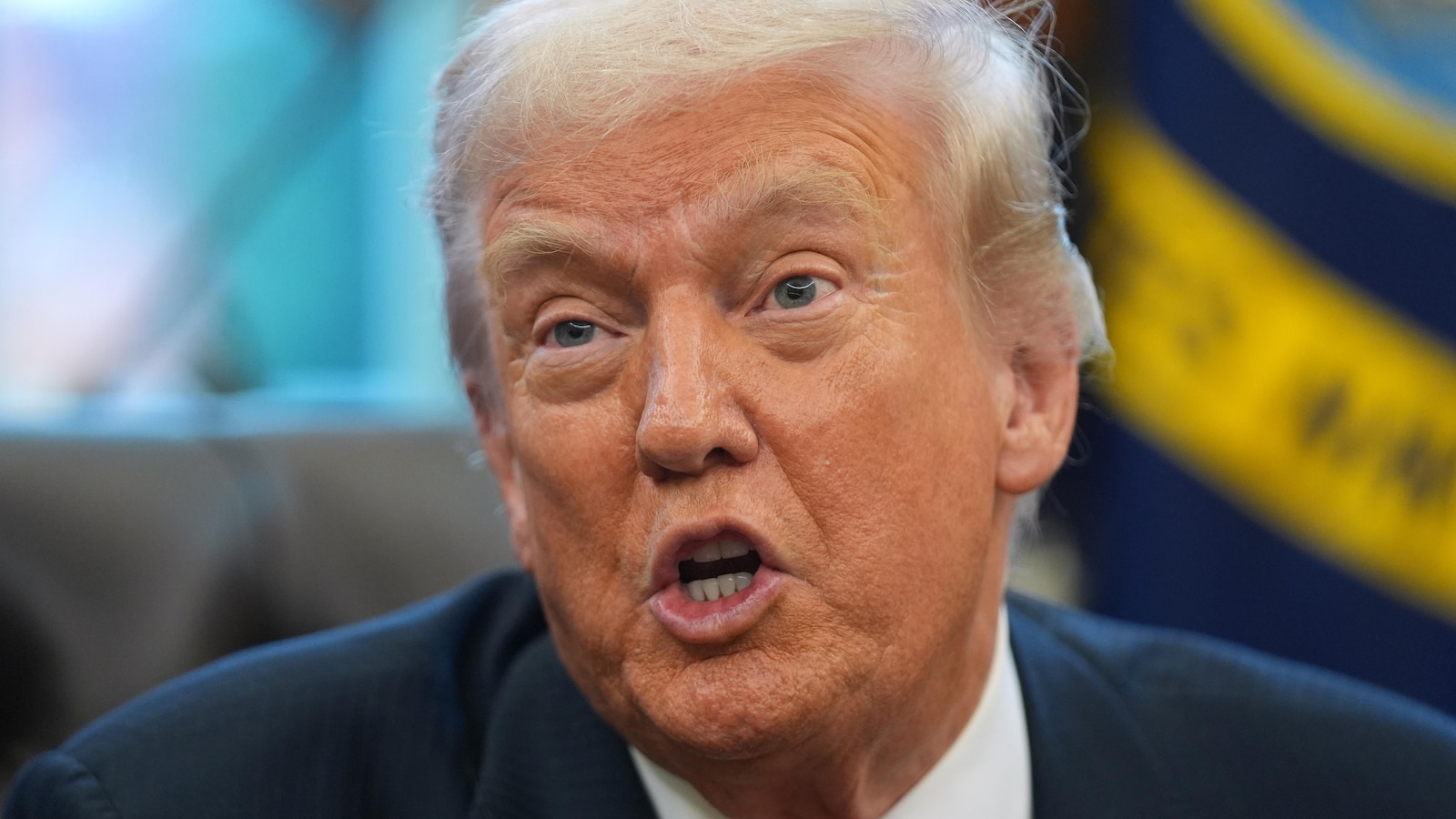
The White House is circulating a draft proposal to extend COVID-era Affordable Care Act premium tax credits for two years, capping eligibility at 700% of the federal poverty level (up from the original 400% cap) and requiring enrollees to pay some premium (potentially 2% of income or a $5/month floor) to eliminate zero-premium plans. The plan would also promote program integrity, allow contributions to health savings accounts for lower-tier plans and echoes bipartisan proposals from senators including Rick Scott and Bill Cassidy; without congressional action KFF estimates average subsidized enrollees could see premiums more than double next year, making swift legislative movement politically and economically consequential.
Market structure: Extending ACA subsidies is a net positive for exchange-focused insurers (Centene CNC, Molina MOH, Elevance ELV, UnitedHealth UNH) because it preserves premium flow and enrollment; KFF’s warning that subsidized enrollees would “more than double” premiums without action implies next-year revenue shock is avoided. A 700% FPL cap and a minimum premium (2% of income or $5/mo) change plan mix — fewer zero-premium bronze enrollees, higher silver/bronze churn — benefiting insurers with scale and underwriting sophistication while squeezing marginal entrants and narrow-network regional carriers.
Risk assessment: Tail risks include Congressional failure to pass the draft, a conservative backlash, or court challenges that could re-create the “more than double” premium shock; probability medium but impact high for insurer earnings (±20–40% EPS swing for ACA exposure in 2025 guidance). Immediate market moves will hinge on a Trump announcement (days), enrollment tallies during open enrollment (weeks through Dec 31), and CBO/CMS scoring (30–60 days) which can reverse sentiment; longer-term (2026+) permanence vs temporary extension drives M&A and reserve assumptions.
Trade implications: Favor large-cap managed-care and exchange operators with diversified risk corridors and HSA capabilities (CNC, MOH, ELV) and custodians that win HSA inflows (SCHW). Use concentrated near-term option structures around enrollment and CBO releases to capture asymmetric upside while hedging policy-failure tail risk; avoid small regional carriers and administrative-service-only providers that lack scale. Rotate out of consumer discretionary cyclicals that priced in higher out-of-pocket risk if subsidies lapse.
Contrarian angles: Consensus treats an extension as uniformly bullish for insurers but understates two risks: (1) mandatory minimal premiums will depress low-income enrollment and raise medical loss ratios; (2) any pivot toward HSAs reallocates federal dollars away from premium dollars into consumer accounts, reducing insurer float and recurring margin. Historically (2017 repeal attempt) headlines created volatility but not structural collapse — this argues for event-driven, not conviction-sized, positions until legal/text certainty.
AI-powered research, real-time alerts, and portfolio analytics for institutional investors.
Request DemoOverall Sentiment
neutral
Sentiment Score
0.15
