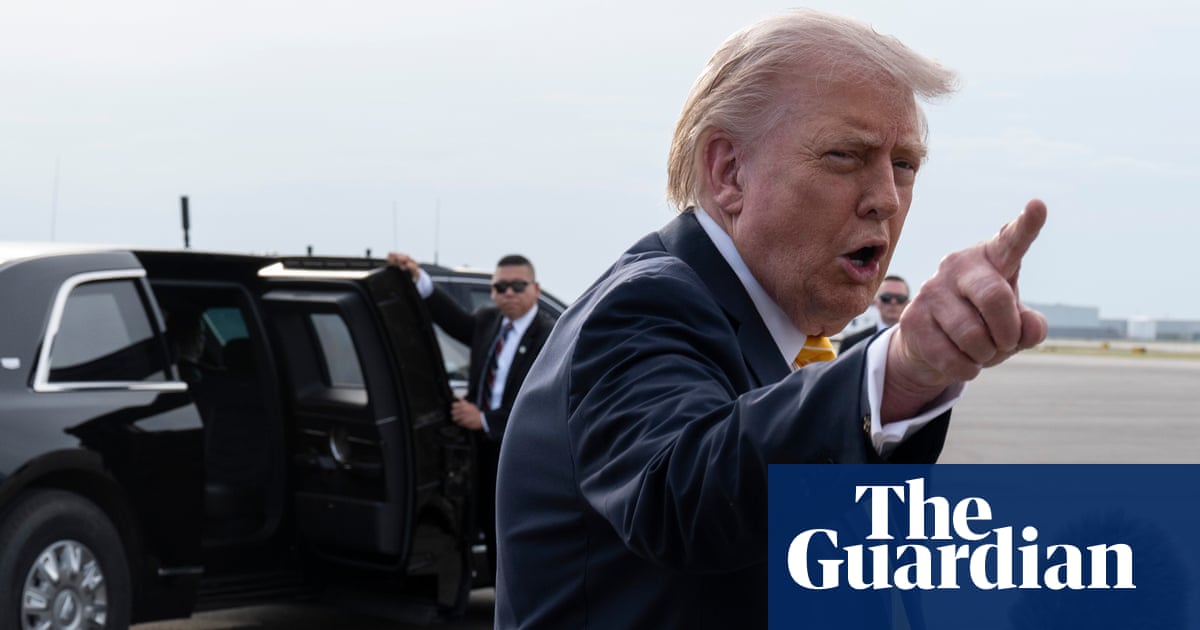
Trump’s approval rating fell to 37%, its lowest level of his second term, while 64% of voters disapprove of his handling of the economy and nearly two-thirds say the Iran war was the wrong choice. US gasoline prices have risen to about $4.52 per gallon from $3.18 a year ago, intensifying cost-of-living pressure ahead of the midterms. The article points to growing political and market risk from the Iran conflict and higher energy prices, with potential implications for the election outlook and broader risk sentiment.
The market implication is not just a generic “incumbent is weak” story; it is a rapidly deteriorating coalition problem for Republicans in swing districts. When approval erodes on both the wallet issue and the war decision simultaneously, it tends to shift suburban independents first, which matters more than headline national numbers because House outcomes are decided by a small set of low-turnout districts. The second-order effect is that any escalation in fuel costs compounds into a larger political tax than the absolute pump price alone would suggest, because it reinforces the perception that the administration is choosing geopolitics over household balance sheets.
The key timing vector is the next 4-10 weeks: if gasoline remains elevated into the late-summer driving season and early campaign period, the decline in approval can become self-reinforcing through donor hesitation, candidate distancing, and lower enthusiasm among soft partisans. That creates a market for “policy reversal optionality” in sectors exposed to de-escalation: energy, airlines, consumer discretionary, and small-cap domestics all benefit if the White House pivots toward a ceasefire/diplomatic off-ramp. Conversely, if the conflict broadens or oil logistics are disrupted, the political damage likely accelerates faster than earnings estimates can adjust, especially for sectors with high fuel sensitivity.
The contrarian point is that the move may already be partially priced into sentiment-heavy assets: Democratic dissatisfaction caps the odds of a clean opposition wave, and that reduces the chance of a sharp regime change trade. The more interesting asymmetry is in volatility rather than direction—poll deterioration raises the odds of policy improvisation, which can compress risk premia abruptly if the administration seeks a visible de-escalation before polling worsens further. In other words, the base case is continued political erosion, but the tail risk is a sudden diplomatic reset that hits oil and defense expectations at the same time.
AI-powered research, real-time alerts, and portfolio analytics for institutional investors.
Request DemoOverall Sentiment
strongly negative
Sentiment Score
-0.55
Ticker Sentiment
