President Trump announced a landmark $550 billion economic agreement with Japan, securing significant Japanese investment in strategic U.S. sectors like energy infrastructure and semiconductor manufacturing, with the U.S. retaining 90% of profits. This deal implements a baseline 15% tariff on Japanese imports while opening Japanese markets to U.S. agricultural goods, automotive products, and defense equipment, aiming to boost U.S. manufacturing and jobs and narrow the trade deficit.
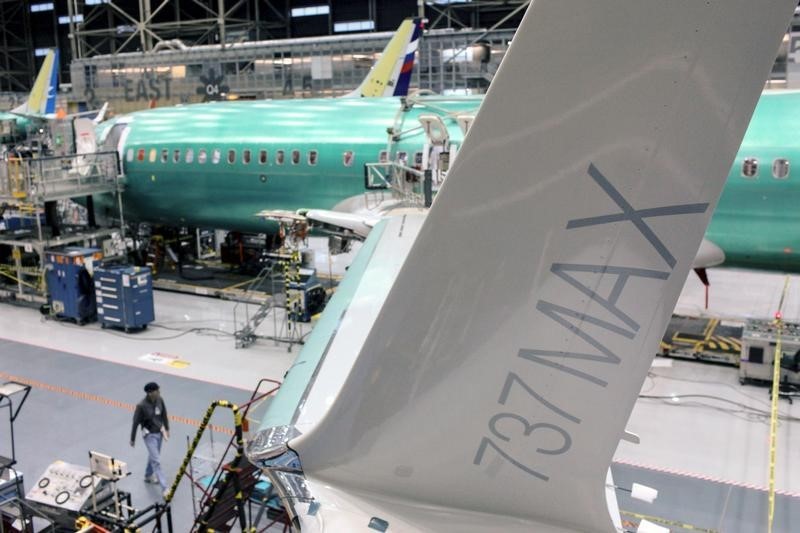
The United States and Japan have established a significant economic agreement centered on a $550 billion Japanese investment into strategic U.S. sectors, including energy infrastructure, semiconductor manufacturing, and shipbuilding. A key feature of the pact is that the U.S. will retain 90% of the profits generated from these investments, which are intended to bolster domestic manufacturing and create a substantial number of jobs. The deal also addresses trade imbalances through a dual-pronged approach: implementing a baseline 15% tariff on Japanese imports while simultaneously removing major barriers for U.S. exports to Japan. Specifically, the agreement facilitates a 75% increase in U.S. rice imports into Japan, secures $8 billion in Japanese purchases of American agricultural goods, and lifts restrictions on U.S. automobiles by approving American automotive standards. Furthermore, the deal provides a direct and material catalyst for The Boeing Company (BA) through a committed purchase of 100 aircraft, alongside billions in U.S. defense equipment, and expands U.S. energy export opportunities, signaling a strategic realignment of the economic relationship between the two nations.
AI-powered research, real-time alerts, and portfolio analytics for institutional investors.
Overall Sentiment
strongly positive
Sentiment Score
0.80
Ticker Sentiment
