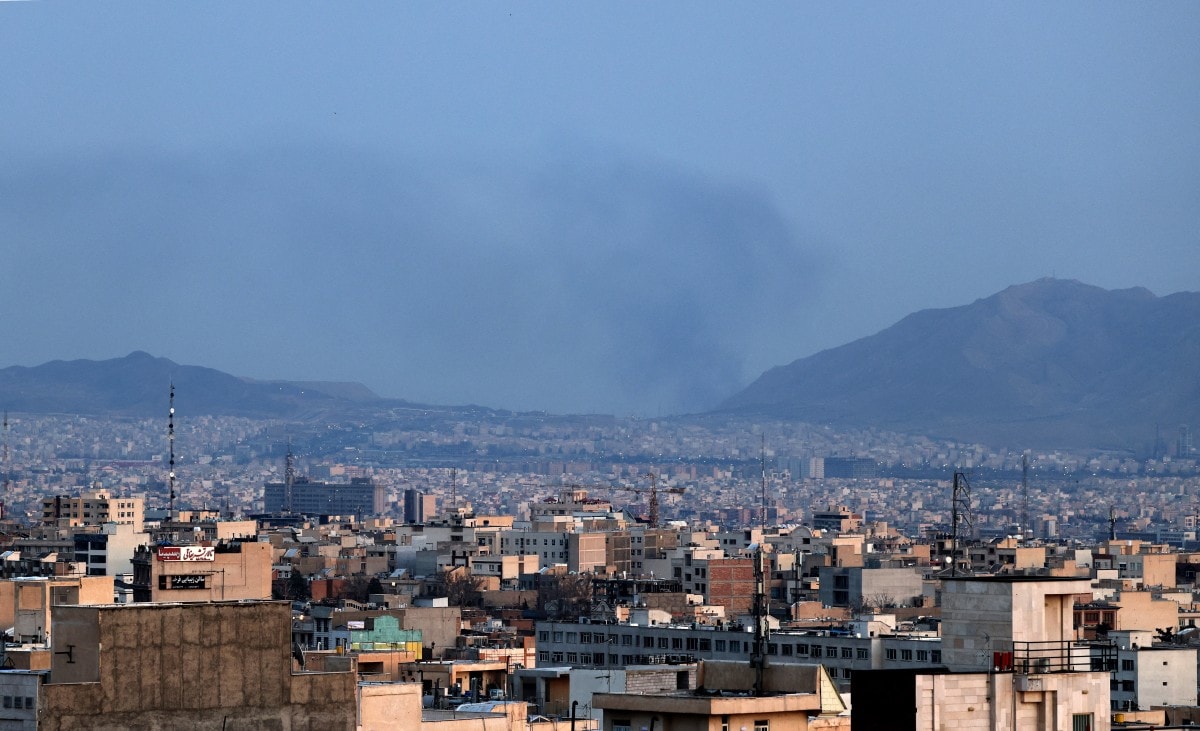
The US carried out self-defence strikes on Iranian radar and drone command sites in Goruk and Qeshm Islands after Iran shot down a US MQ-1 Predator over international waters. CENTCOM said it destroyed Iranian air defenses, a ground control station, and two one-way attack drones, with no US personnel harmed. The escalation heightens geopolitical risk around the Strait of Hormuz and could pressure energy markets and broader risk sentiment.
This is less about the headline strike itself and more about the regime shift it signals: the market is moving from a contained proxy conflict into a live escalation loop where each side now has to prove deterrence. That raises the probability of miscalculation around the Strait of Hormuz, which matters more for pricing than any single strike because the marginal risk premium can reprice oil in hours, while actual supply disruption would take days to weeks. The first-order beneficiary is any asset tied to energy scarcity; the more interesting second-order winner is non-Gulf energy logistics and Atlantic Basin supply chains that get pulled in as refiners pre-position barrels.
The near-term loser set is broader than regional equities: import-dependent EM FX, airlines, and chemicals are the most exposed to a spike in crude and freight insurance. If this remains a tit-for-tat air/drone exchange, the market may initially fade the move as “managed escalation”; but the fragility point is infrastructure confidence, not casualties. Even without an actual closure, a few days of elevated risk can widen tanker rates, raise shipping insurance, and force physical buyers to overpay for prompt cargoes, which tends to feed through to Brent-WTI differentials and product cracks before headline crude fully reacts.
The contrarian view is that consensus may be overpricing a rapid supply shock while underpricing diplomatic de-escalation incentives. The US and regional actors still have strong reasons to keep flows open, so the base case is a volatility spike rather than a sustained embargo. That argues for expressing the view through convexity rather than outright spot exposure: short-dated options on oil proxies or shipping names have better risk/reward than chasing cash equities after the first gap higher.
The biggest tactical risk is that retaliation expands to maritime or Gulf infrastructure, in which case the trade stops being about geopolitics and becomes a physical supply disruption with a much longer half-life. If that happens, the next leg is likely not just oil up, but global inflation breakevens, lower duration assets, and pressure on consumer discretionary. For now the path dependency is extremely event-driven over 1-10 trading days; beyond that, diplomatic messaging will matter more than military optics.
AI-powered research, real-time alerts, and portfolio analytics for institutional investors.
Request TrialOverall Sentiment
strongly negative
Sentiment Score
-0.70
