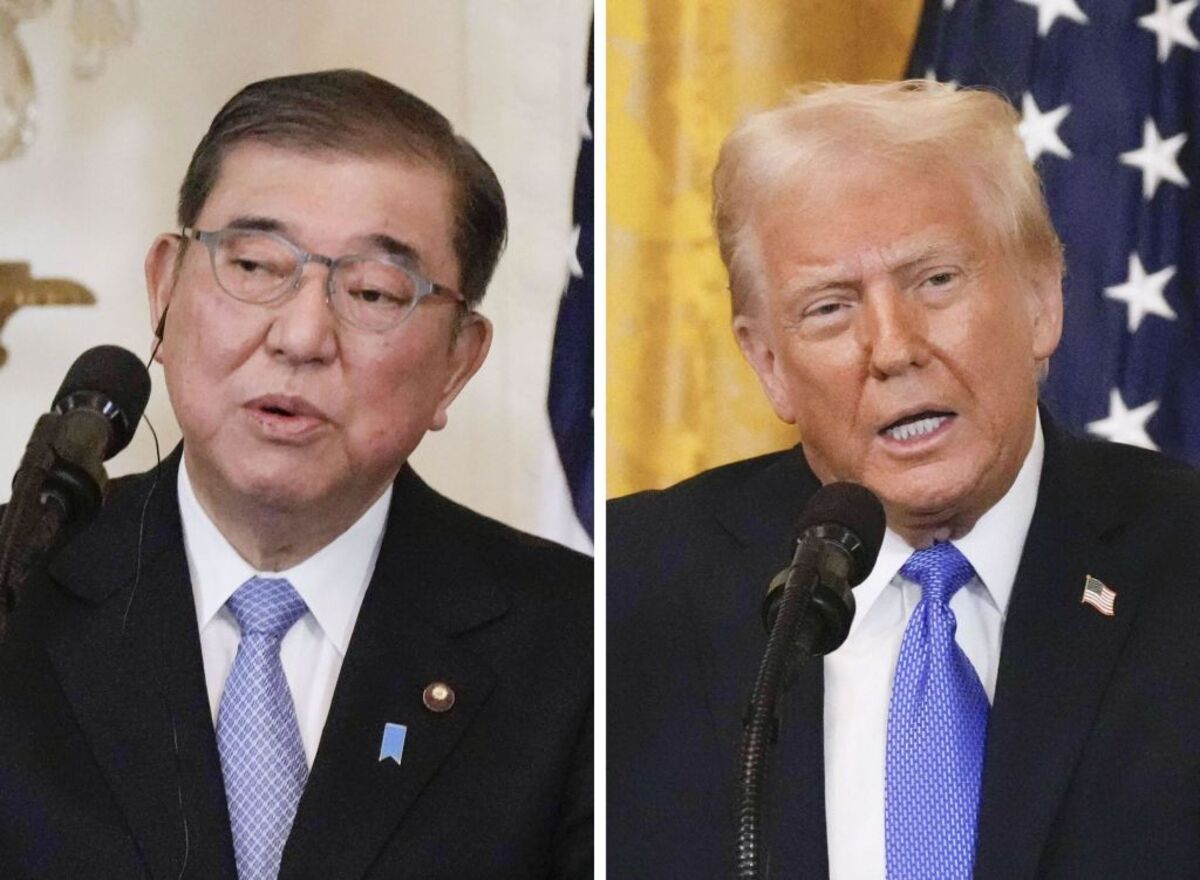
The US-Japan trade deal, despite being presented as a potential template, faces significant uncertainty due to a lack of detail surrounding Japan's central pledge of a $550 billion US investment fund. While the agreement includes a 15% tariff on Japanese cars and goods, Treasury Secretary Bessent warned of a potential escalation to 25% if implementation is deemed unsatisfactory, raising questions about the deal's viability and future stability.
The proposed US-Japan trade agreement, despite being promoted as a landmark deal, is founded on a highly uncertain premise. The centerpiece, a pledged $550 billion investment fund from Japan, lacks sufficient detail, raising significant questions about the overall viability and substance of the agreement. While the deal establishes a 15% tariff on Japanese cars and goods, this rate is not secure; Treasury Secretary Scott Bessent has explicitly warned that the US could unilaterally increase the tariff to 25% if presidential satisfaction with implementation is not met. This introduces a substantial level of political risk and unpredictability into what has been floated as a potential template for future trade negotiations, suggesting a period of instability and doubt for assets sensitive to trans-Pacific trade flows.
AI-powered research, real-time alerts, and portfolio analytics for institutional investors.
Request DemoOverall Sentiment
strongly negative
Sentiment Score
-0.70
