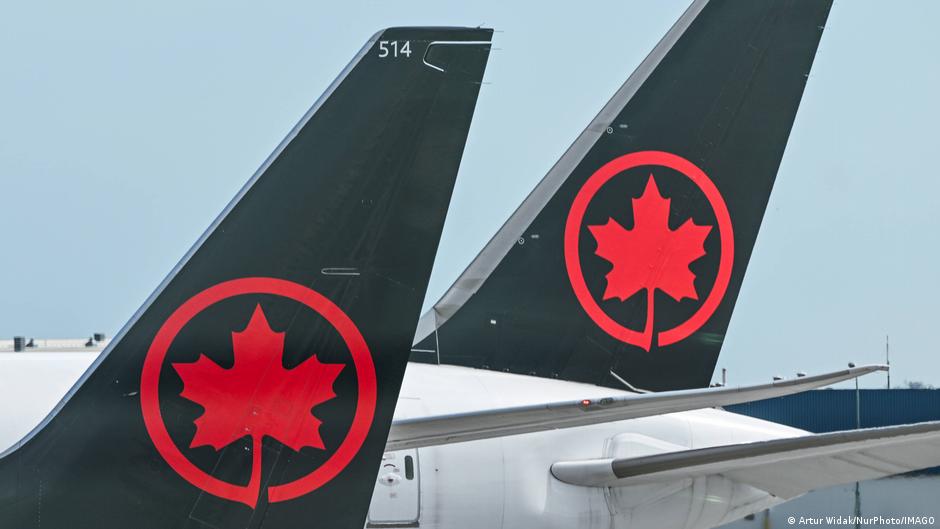
Two Air Canada pilots died after a Jazz flight collided with a fire truck at LaGuardia; CEO Michael Rousseau's English-only condolence video (March 27, 2026) sparked widespread criticism and calls for his resignation. Rousseau apologized and acknowledged an inability to speak French despite a prior promise to learn, drawing public reproach from Quebec Premier François Legault and Canadian Prime Minister Mark Carney. LaGuardia reopened the repaired runway after FAA confirmation and the NTSB continues its investigation.
This episode exposes a governance and political-sensitivity risk that is distinct from operational performance: leadership perceived as tone-deaf in a jurisdiction that contributes disproportionate margin to the business raises the probability of board intervention and management distraction. Expect near-term decision-making capacity to be taxed — investor relations, regulatory engagement, and union negotiations will all face a higher hurdle rate of credibility, which reduces optionality for tactical revenue or cost actions over the next 1–3 months.
Second-order legal and regulatory exposure is meaningful. Even if direct financial penalties are unlikely, the combination of heightened public scrutiny and federal/provincial political attention increases the chance of protracted inquiries, expanded disclosure demands, and class-action lawyers probing settlement opportunities; a conservative planning scenario is incremental legal and reputational costs equal to mid-single-digit percent of quarterly EBIT over a 6–24 month window if issues broaden.
From a market-structure perspective, this is a near-term idiosyncratic shock that should widen credit and equity spreads vs. peers but is probably transient versus macro airline fundamentals (fuel, yield, capacity). Reversal catalysts include clear board-level remediation (succession plan or external hire with local legitimacy), a short, credible timeline to resolve regulatory inquiries, or evidence that customer behavior in the affected market did not change materially — any of which could compress downside and produce a mean-reversion trade within 3–12 months.
AI-powered research, real-time alerts, and portfolio analytics for institutional investors.
Overall Sentiment
mildly negative
Sentiment Score
-0.35
Ticker Sentiment
