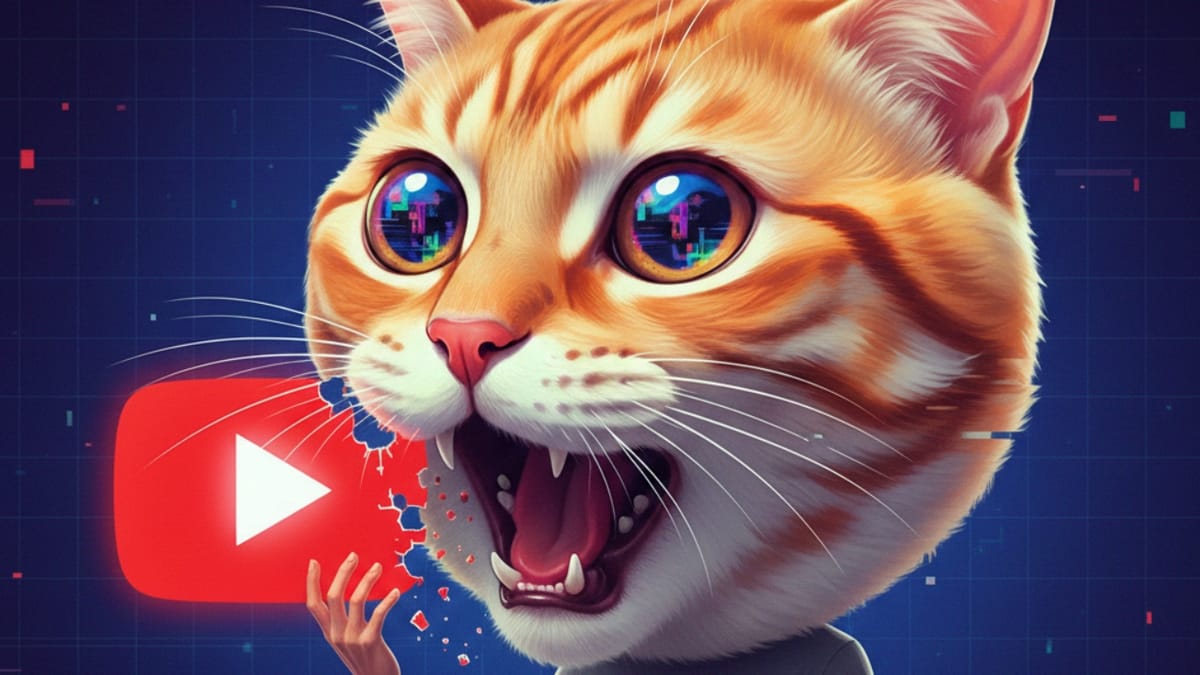
Kapwing's analysis of a fresh YouTube Shorts feed found 33% of the first 500 videos qualified as 'brainrot' and 21% as AI-generated 'slop', highlighting heavy saturation of low-quality, automatically produced content. Top slop channels generate substantial ad revenue—Kapwing estimates leading channels earn roughly $4.0–$4.25 million annually (Bandar Apna Dost: 2.07B views, ~$4.25M; Three Minutes Wisdom: ~2.02B views, ~$4.04M)—while Spain leads in slop subscribers (20.22M across 8 channels) and South Korea leads in views (8.45B across 11 channels). The findings signal material brand-safety and content-moderation risks for advertisers and platforms (YouTube/Alphabet), creating potential pressure on ad pricing, verification/quality controls and regulatory scrutiny if monetization of machine-generated low-quality content continues unchecked.
Market structure: Short-form AI video creates clear winners (high-volume channel operators, ad-farmed creators, affiliate-linked e‑commerce like CPNG) and losers (brand-sensitive advertisers, premium publishers, YouTube/Alphabet’s CPM quality). With ~21% AI slop and top channels earning ~$4M/year, supply is massively skewed toward low-cost content production, pressuring average CPMs—estimate downside risk to YouTube ad yield of ~5–15% if brand-flight persists over 3–12 months.
Risk assessment: Tail risks include regulatory intervention (EU/US AI disclosure rules or platform liability) or coordinated advertiser boycotts that could shave 5–12% off ad revenue in 6–12 months; operational risks include invalid-traffic adjustments that could cut reported views by 10–20% for suspected channels. Near-term catalysts: Google ad-sales disclosures and Q4/Q1 ad-revenue prints (30–90 days) and advertiser verification rollouts; long-term risk is normalization of slop that forces structural ad pricing resets over years.
Trade implications: Expect rotation from scale ad platforms toward ad-safety vendors and alternative ad channels; tactically hedge GOOGL/GOOG and overweight META/CPNG where affiliate/alternative monetization benefits. Use options to size asymmetric downside protection around key catalyst windows (Google earnings, regulatory announcements) and reduce exposure to low-quality publisher ad revenue streams over 3–12 months.
Contrarian angles: Consensus likely overstates permanent revenue loss—histor precedents (Facebook/YouTube brand-safety scares) show advertiser pullbacks often reverse within 3–6 months once controls are promised and measurement improves. A disciplined dip-buy into GOOGL on an >8% drawdown may be rewarded; conversely, stricter moderation could consolidate quality creators and raise CPMs, benefiting incumbents longer-term.
AI-powered research, real-time alerts, and portfolio analytics for institutional investors.
Request DemoOverall Sentiment
moderately negative
Sentiment Score
-0.40
Ticker Sentiment
