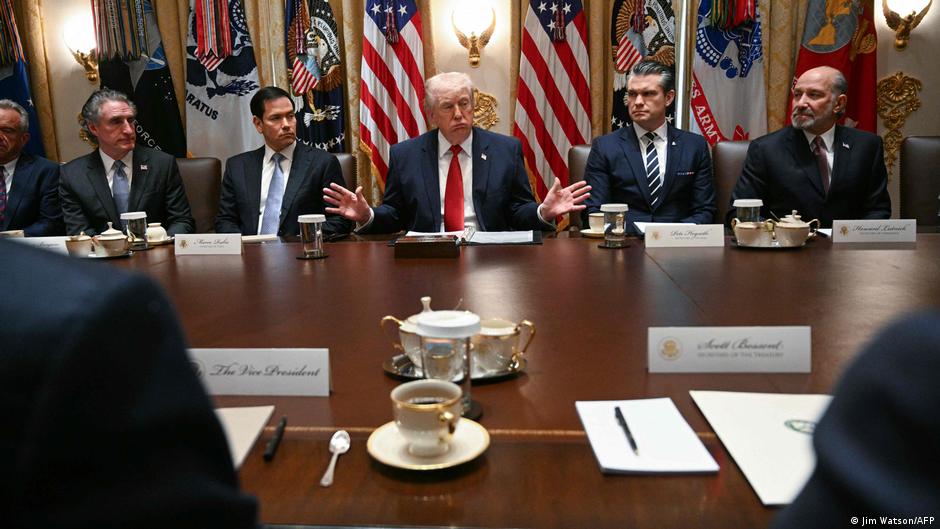
Key event: Israeli strike reportedly killed IRGC naval commander Alireza Tangsiri and CENTCOM says Iran's navy is facing 'irreversible decline' after weeks of strikes. The Strait of Hormuz — which normally carries ~20% of global oil flows — remains effectively closed, creating material oil supply disruption risk while the US weighs options including a 'final blow' that could involve ground forces and massive bombing. Diplomacy is tenuous: Pakistan is relaying a US 15-point plan that Iran calls 'one-sided' and Trump signaled uncertainty about making a deal, implying sustained geopolitical volatility and a need to position for higher oil and defense sector stress.
The operational closure risk in the Strait of Hormuz and the credible threat of asymmetric attacks have moved the shock from a price blip to a multi-vector supply-chain reconfiguration. Expect longer voyage distances (VLCC re-routes around Africa), higher insurance/war-risk premia and a structural lift to tanker time-charter rates that will persist until alternative export corridors or de-escalation materialize; these effects operate on a 1–6 month window and can amplify backwardation/contango dynamics in crude and refined product curves.
Sanctions, interdiction and port access frictions will shift marginal barrels away from spot-constrained exporters toward countries with pipeline and storage capacity, benefitting owners of export infrastructure and storage while compressing throughput for short-haul shippers and Gulf-centric refiners. Defense and maritime security capex cycles are likely to accelerate—procurement timelines shorten from multi-year to 12–24 months for point-defenses, counter-drone systems and mine-clearing—and export controls on dual-use tech raise supplier concentration risks for those supply chains.
Tail risks are asymmetric: a rapid negotiated pause via intermediaries would unwind most commodity premia within 4–8 weeks, whereas a widening conflict (Russian drone/tech transfer or US ground options) could reprice energy, insurance and defense for years. Key near-term catalysts to monitor are: (1) public confirmation of alternative export volumes (weekly tanker AIS flows), (2) hardening of naval escorts/insurance premiums (levels and route coverage), and (3) any formal trilateral mediation timeline from Pakistan/Turkey — any of which can flip the market stance quickly.
AI-powered research, real-time alerts, and portfolio analytics for institutional investors.
Request DemoOverall Sentiment
strongly negative
Sentiment Score
-0.85
